From centuries-old cathedrals to minimalist office towers, architectural art glass is a timeless medium that transcends eras. Once reserved for places of worship and historic landmarks, art glass has emerged as a storytelling tool for modern spaces, marrying form and function with stunning impact. Today, it offers architects, designers, and visionaries a remarkable way to transform spaces into vibrant narratives that captivate and inspire.
Architectural art glass doesn’t just decorate a space; it shapes how people experience it. Whether it’s a corporate lobby that reflects a brand’s values or stained glass panels in a public institution that celebrate cultural heritage, each piece is imbued with meaning. But integrating art glass in modern design requires carefully balancing artistry, structural integrity, and sustainability. This article explores how architectural art glass both elevates spaces and communicates powerful stories, along with practical insights for integration into your next project.

The Transformative Power of Architectural Art Glass
At its heart, architectural art glass is more than a decorative feature. It’s a medium capable of influencing experience and emotion within a space. Its ability to filter light into a kaleidoscope of colors brings life to even the most neutral environments. Here’s how it makes a profound difference:
Evoking Emotional Connections
Every piece of architectural art glass tells a story. Whether it reflects cultural heritage, historical milestones, or personal narratives, it creates an emotional connection with those who experience it. For example, Willet Stained Glass Studios brought the story of western exploration to life in the Lewis and Clark architectural art glass within the Washington National Cathedral. Through intricate detail and vivid imagery, the window invites visitors to step into history.
Adding Aesthetic and Functional Value
Architectural art glass allows light to play throughout a space, blending aesthetic elegance with functional benefits. It provides privacy without sacrificing natural light and enhances the architectural character of a building, making it at once striking and practical.
Uniquely Tailored Storytelling for Modern Brands
For corporate offices, art glass offers an innovative way to embody their brand identity. A lobby adorned with custom glass installations could convey values of innovation, integrity, and heritage. Businesses have embraced this medium to craft meaningful, tailored art glass pieces that reflect their ethos.
Key Challenges and Practical Solutions
Designing with architectural art glass offers endless creative opportunities, but it also comes with challenges. Addressing these effectively ensures that beauty and practicality coexist.
Challenge 1: Balancing Artistry with Structural Integrity
Modern architecture demands materials that are both beautiful and strong. Art glass installations must integrate seamlessly into the structure without compromising safety. Solutions include using advanced lamination techniques and tempered glass to enhance durability without sacrificing artistic intent.
Challenge 2: Integrating Sustainability
Sustainable building practices are the future of architecture, and art glass must align with this ethos. Fortunately, many architectural art glass studios, such as Willet Stained Glass, incorporate eco-friendly practices such as using lead-free materials and recycled content. Glass panels can now fulfill green building certifications while maintaining their visual impact.
Challenge 3: Cost Perception
One common misconception is that architectural art glass is prohibitively expensive. However, the value it adds – in terms of aesthetics, branding, and emotional engagement – is unmatched. Additionally, careful planning of the project’s scope and collaboration with expert architectural art glass studios offers cost-effective yet impactful results.
Designing Your Art Glass Installation

Breaking down the creative process can help architects envision how to incorporate art glass into their projects. Here’s a step-by-step guide:
1. Define the Story You Want to Tell
Start with the narrative. Is the glass conveying cultural heritage, brand identity, or a personal story? Understanding the purpose of the installation ensures the design resonates with its audience.
2. Collaborate With Expert Artisans
Work hand-in-hand with artisans to translate your vision into a functional design. At Willet Stained Glass Studios, collaboration is key to every architectural art glass project. Experienced craftsmen use a blend of traditional craftsmanship and modern technology to bring unique pieces to life.
3. Choose the Perfect Placement
The placement of art glass impacts how it tells its story. Consider entryways to make a bold statement, large lobbies for maximum engagement, or ceilings for a dramatic, light-filled effect, as seen in the Palau de la Música Catalana in Barcelona.
4. Integrate Energy Efficiency
Work with your architectural team to integrate art glass into energy-efficient designs. For example, dual-layered, insulated panels can provide thermal efficiency while maintaining their striking visuals.
5. Celebrate Design Flexibility
Modern advancements have widened design possibilities. Whether your project calls for abstract motifs, intricate imagery, or minimalist lines, art glass now adapts effortlessly to contemporary aesthetics.
Willet Stained Glass Studios Stained Glass at The National Cathedral
Stained glass has long been admired as a marriage of art and architecture, transforming light into storytelling and emotion. At The National Cathedral in Washington, D.C., Willet Stained Glass Studios’ architectural art glass work stands as an extraordinary testament to this art form, where history intertwines with modernity. Among their contributions, the Lewis and Clark window shines brightly – literally and figuratively – as a vivid example of how glass can preserve history while enriching contemporary design.
The Intersection of History and Modern Architecture
The National Cathedral is not merely a place of worship; it’s a symbol of American heritage reflected through a modern architectural lens. Completed in stages over more than 80 years, the cathedral merges traditional Gothic design with bold, thought-provoking art pieces that include both sculptures and stained glass windows. Willet Stained Glass Studios’ architectural art glass contributions rejuvenate this framework by embedding historical narratives into art that feels distinctly alive.
Stained glass has historically adorned cathedrals, evoking awe for centuries with its vivid colors and intricate compositions. Willet Stained Glass Studios elevates this tradition by using the medium not only to beautify but to educate and inspire, connecting audiences with stories from the past in visually captivating ways.
The Storytelling Power of the Lewis and Clark Window
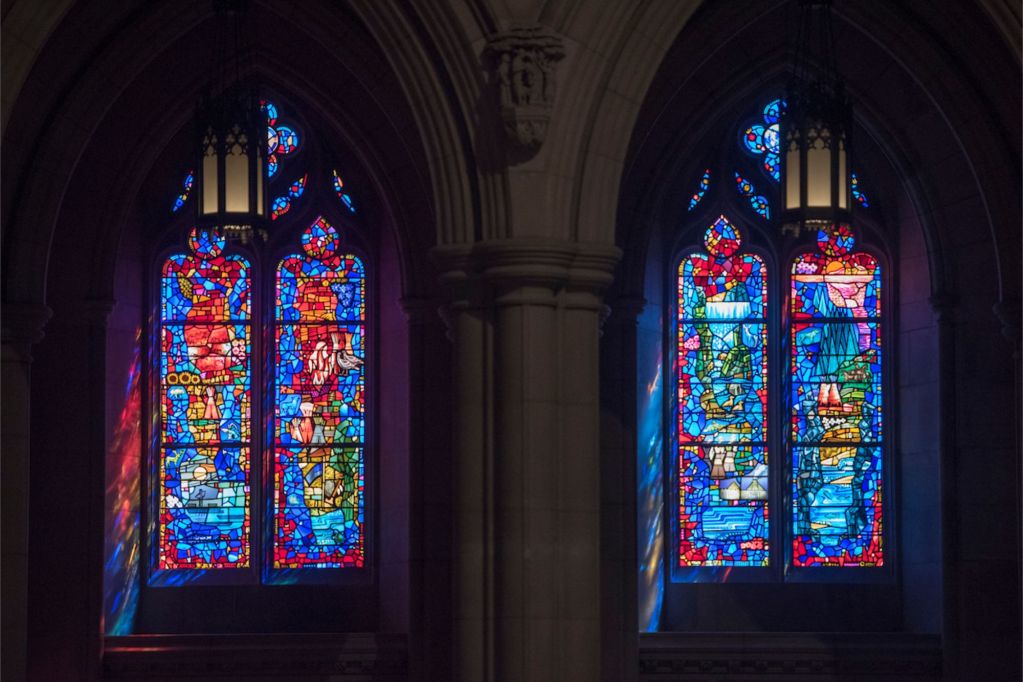
At the heart of Willet Stained Glass Studios’ work in the National Cathedral lies the Lewis and Clark window, a masterpiece that captures the essence of artistic storytelling. This vibrant panel showcases the expedition led by Meriwether Lewis and William Clark, an event that remains a crucial chapter in the history of the United States.
Through dynamic imagery, this window depicts pivotal moments from their historic exploration of the uncharted western territories. Rich blues, deep greens, and fiery golden hues trace the rivers, mountains, and sweeping landscapes that defined the expedition. Every detail – from canoeing through rushing waters to encounters with Indigenous Peoples – immerses the viewer in the narrative.
Beyond its historical accuracy, the artistic style of the Lewis and Clark window feels distinctly modern. Willet Stained Glass Studios harmoniously balances traditional stained-glass techniques with a contemporary aesthetic, creating a piece that feels timeless yet grounded in the present. The use of bold, saturated colors not only draws the eye but also evokes the sense of adventure and determination that characterized the explorers’ journey.
Preserving History Through Light and Color
What sets Willet Stained Glass Studios apart is our commitment to using art as a medium for preservation. The Lewis and Clark window ensures that visitors can connect with this pivotal American story in an immediate and emotional way. History isn’t just read or remembered – it’s felt.
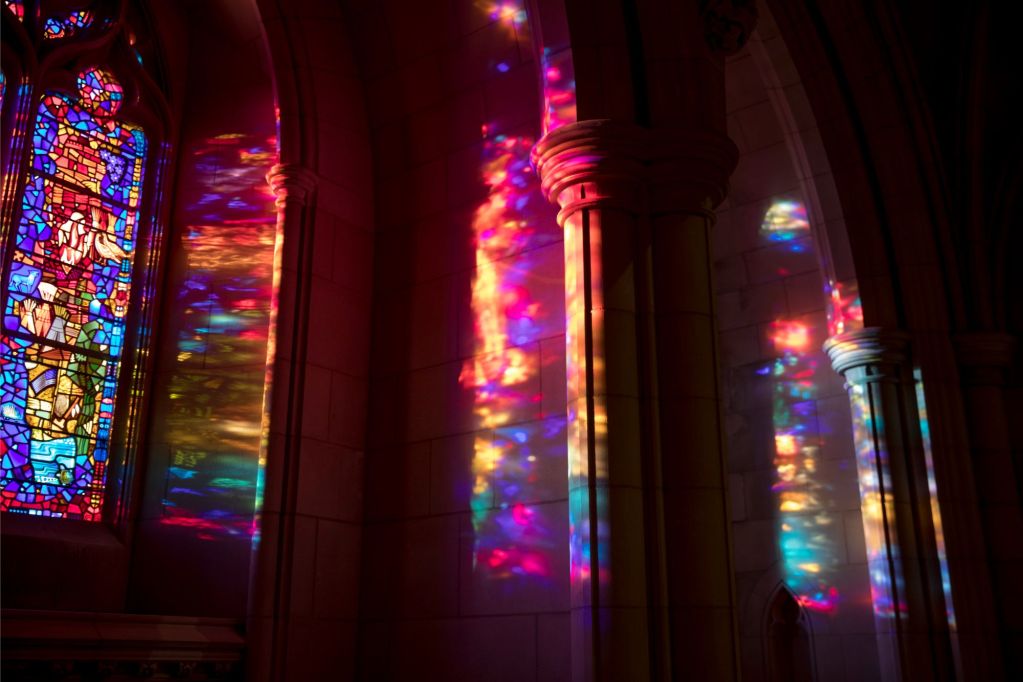
The interplay of light and color adds another layer of depth. Sunlight streaming through the stained glass transforms static imagery into something dynamic. The scenes shift and change subtly throughout the day, as if inviting visitors to consider new perspectives on a familiar story. This constant evolution mirrors how history itself can be reinterpreted and appreciated anew over time.
Contemporary Contributions to Historic Spaces
Willet Stained Glass Studios’ work at the National Cathedral exemplifies how traditional art forms can contribute meaningfully to modern architectural contexts. By seamlessly integrating historical narratives into contemporary designs, we’ve created pieces that resonate with today’s audiences while honoring the past.
The Lewis and Clark window, in particular, stands as a beacon of how architectural art glass can act as both a physical and symbolic bridge – connecting past and present, tradition and innovation, architecture and storytelling.
Why Architects Should Consider Art Glass
Architectural art glass offers a blend of creative expression, sustainability, and value that few other materials can match. Here’s why it should be in your next project:
- Timeless Appeal: Art glass never goes out of style. Its unique and vibrant aesthetic captivates generation after generation.
- Personalization: With each piece bespoke and tailor-made, art glass brings individuality to spaces, making them memorable and iconic.
- Environmental Benefits: Sustainably crafted glass supports eco-conscious designs, making it a smart choice for LEED-certified building projects.
Reimagine Your Spaces With Willet Stained Glass Studios
For more than 125 years, Willet Stained Glass Studios has worked at the cutting edge of design, from preserving historical masterpieces to crafting contemporary installations that redefine spaces. Our artisans are experts at blending tradition with innovation, creating glass that doesn’t just fill spaces but transforms them.
If you’re ready to explore the possibilities of architectural art glass for your next project, our team is here to guide you at every step – from vision to execution. Together, we’ll craft a story that lasts for generations.