Architectural Stained Glass: Embracing the Glass Renaissance
The resurgence of stained glass in modern architecture marks a significant shift in design philosophy, blending traditional craftsmanship with contemporary aesthetics. This article delves into the concept of the Glass Renaissance, highlighting how architectural art glass is redefining spaces and enhancing the visual narrative of buildings. Readers will discover the historical significance of stained glass, its contemporary applications, and the impact it has on modern architectural aesthetics. As architects and designers seek innovative ways to incorporate light and color into their projects, stained glass emerges as a versatile medium that not only beautifies but also serves functional purposes. This exploration will cover the characteristics of architectural art glass, its applications, and the principles guiding custom stained glass fabrication.
Historical Significance:
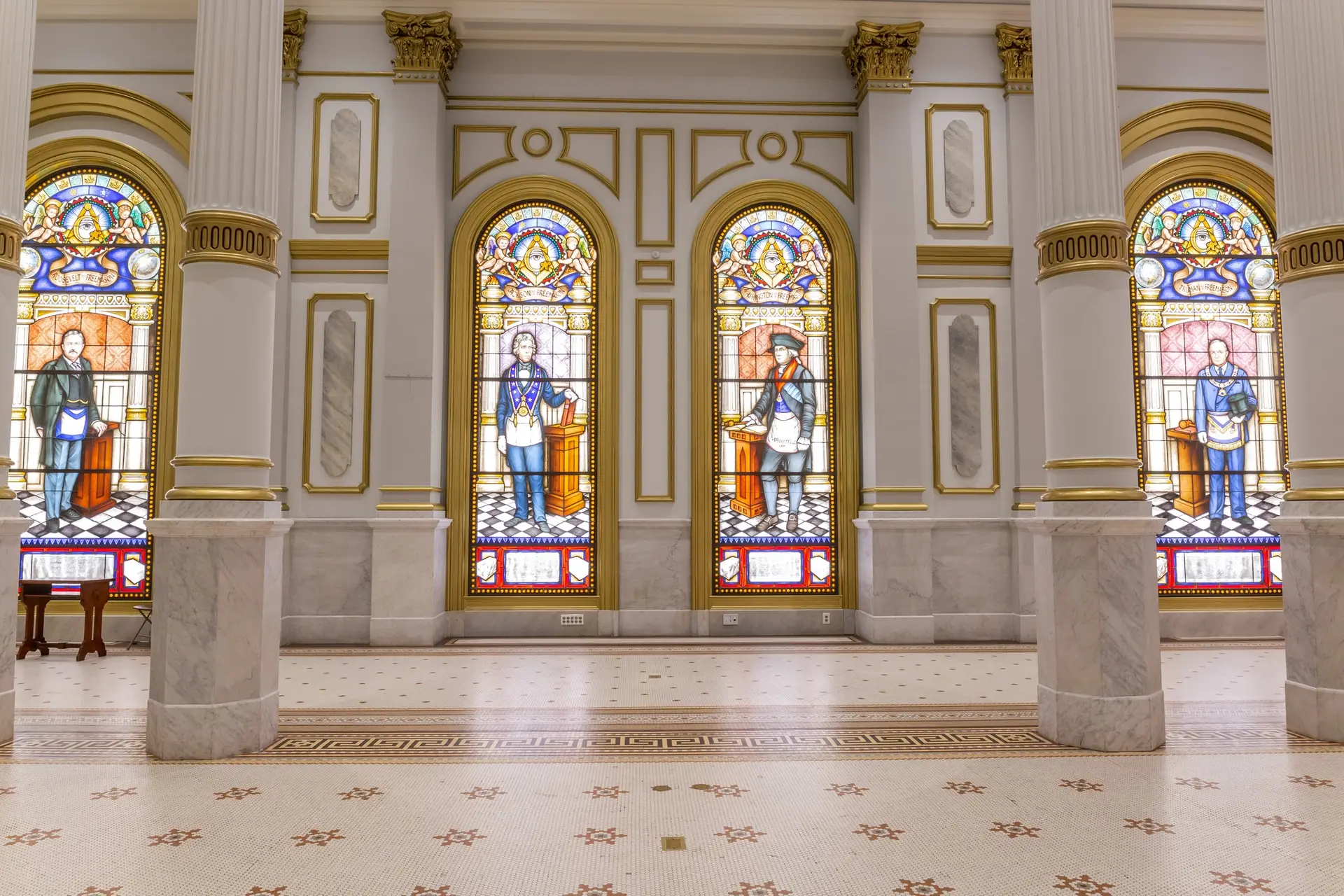
Stained glass has a rich history that dates back to ancient civilizations, where it was primarily used in religious contexts. The intricate designs and vibrant colors of stained glass windows served not only as decorative elements but also as storytelling mediums, conveying biblical narratives and moral lessons to the largely illiterate populace. Over the centuries, stained glass evolved through various artistic movements, reflecting the cultural and technological advancements of each era. The Gothic cathedrals of the Middle Ages showcased the pinnacle of stained glass artistry, with large, elaborate windows that filled sacred spaces with ethereal light. Understanding this historical context is essential to appreciate the modern revival of stained glass as a significant architectural element.
Contemporary Applications:
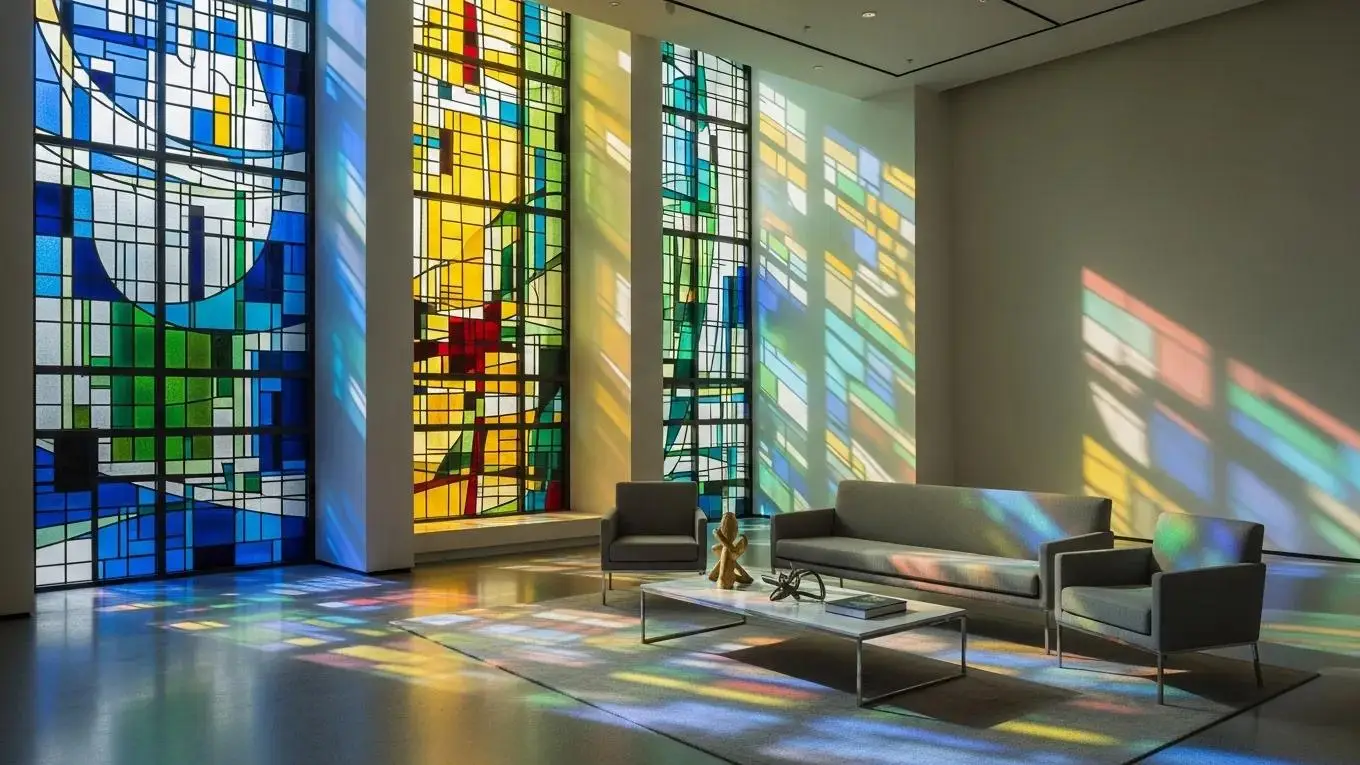
In contemporary architecture, stained glass is experiencing a renaissance, finding its way into a variety of settings beyond traditional churches. Modern architects are integrating stained glass into public buildings, corporate offices, and private residences, utilizing its unique ability to manipulate light and color. This integration not only enhances the aesthetic appeal of spaces but also contributes to the overall ambiance and emotional experience of the occupants. For instance, large stained glass panels can serve as focal points in lobbies or atriums, creating a sense of grandeur and inviting natural light into the interior. The versatility of stained glass allows for innovative designs that cater to diverse architectural styles, making it a sought-after choice for contemporary projects.
Willet Stained Glass Studios exemplifies this trend, specializing in the design, fabrication, and restoration of stained glass artworks. Their portfolio showcases a blend of traditional craftsmanship and modern innovation, appealing to churches, religious institutions, architects, and preservation societies. The studio offers comprehensive services, including custom stained glass design and fabrication using contemporary techniques, ensuring that each piece is tailored to the specific needs of the project.
Impact on Modern Architectural Aesthetics:
The aesthetic contributions of stained glass in modern architecture are profound, transforming ordinary spaces into extraordinary environments. Stained glass not only enhances the visual appeal of a building but also creates emotional connections through its interplay of light and color. The ability to filter sunlight creates dynamic atmospheres that change throughout the day, adding depth and character to interiors. Moreover, stained glass can be used to convey themes or narratives, making it a powerful storytelling medium in architectural design. Its versatility allows for applications in various settings, from residential homes to commercial spaces, where it can complement both traditional and modern design elements.
What Defines Architectural Art Glass in Contemporary Design?
Architectural art glass is characterized by its artistic expression and functional design, serving both aesthetic and practical purposes in modern architecture. This section explores the unique features, applications, and significance of architectural art glass in contemporary design.
Characteristics
Architectural art glass is distinguished by its custom design aspects, which allow for a high degree of personalization. Each piece can reflect the artistic vision of the designer while also meeting the functional requirements of the space. The craftsmanship involved in creating stained glass involves intricate techniques such as glass blowing, painting, and etching, which contribute to its artistic value. Additionally, architectural art glass often incorporates functional benefits, such as thermal insulation and sound attenuation, making it a practical choice for modern buildings.
Applications
The applications of architectural art glass are diverse, ranging from decorative panels in corporate offices to stunning installations in public buildings and private residences. In corporate settings, art glass can enhance brand identity and create a welcoming atmosphere for clients and employees alike. Public buildings, such as libraries and museums, utilize stained glass to create inspiring environments that encourage creativity and learning. In residential design, art glass can be integrated into windows, doors, and room dividers, adding a unique touch to home interiors.
Significance in Modern Architecture
The significance of architectural art glass in modern architecture lies in its ability to foster emotional connections and enhance the aesthetic experience of a space. By incorporating art glass into their designs, architects can create environments that resonate with occupants on a deeper level. Furthermore, the sustainability aspects of modern stained glass, such as its energy-efficient properties, align with contemporary architectural practices that prioritize environmental responsibility.
How Does Contemporary Stained Glass Enhance Modern Architectural Spaces?
Contemporary stained glass enhances modern architectural spaces by providing aesthetic transformation and storytelling through design. The interplay of light and color creates a unique atmosphere that can evoke various emotions, making spaces feel more inviting and dynamic. Additionally, stained glass can serve functional benefits, such as improving privacy while still allowing natural light to filter through. This duality of purpose makes stained glass an invaluable asset in modern architectural design.
What Are the Key Principles of Custom Stained Glass Fabrication?
Custom stained glass fabrication is guided by several key principles that ensure the final product meets both artistic and structural requirements. These principles include a focus on custom design and craftsmanship, versatility in applications, and the balance between artistry and structural integrity. Each project begins with a thorough consultation to understand the client’s vision and the specific needs of the space, followed by meticulous design and fabrication processes that bring the concept to life.
Why Is Laminated Glass Essential for Modern Architectural Applications?
Laminated glass has become essential in modern architectural applications due to its durability and design benefits. This type of glass consists of multiple layers, which enhances its strength and safety, making it ideal for high-traffic areas and large installations. Additionally, laminated glass contributes to energy efficiency by providing better insulation and reducing heat transfer, which is crucial in contemporary building design.
What Benefits Does Laminated Art Glass Offer for Durability and Design?
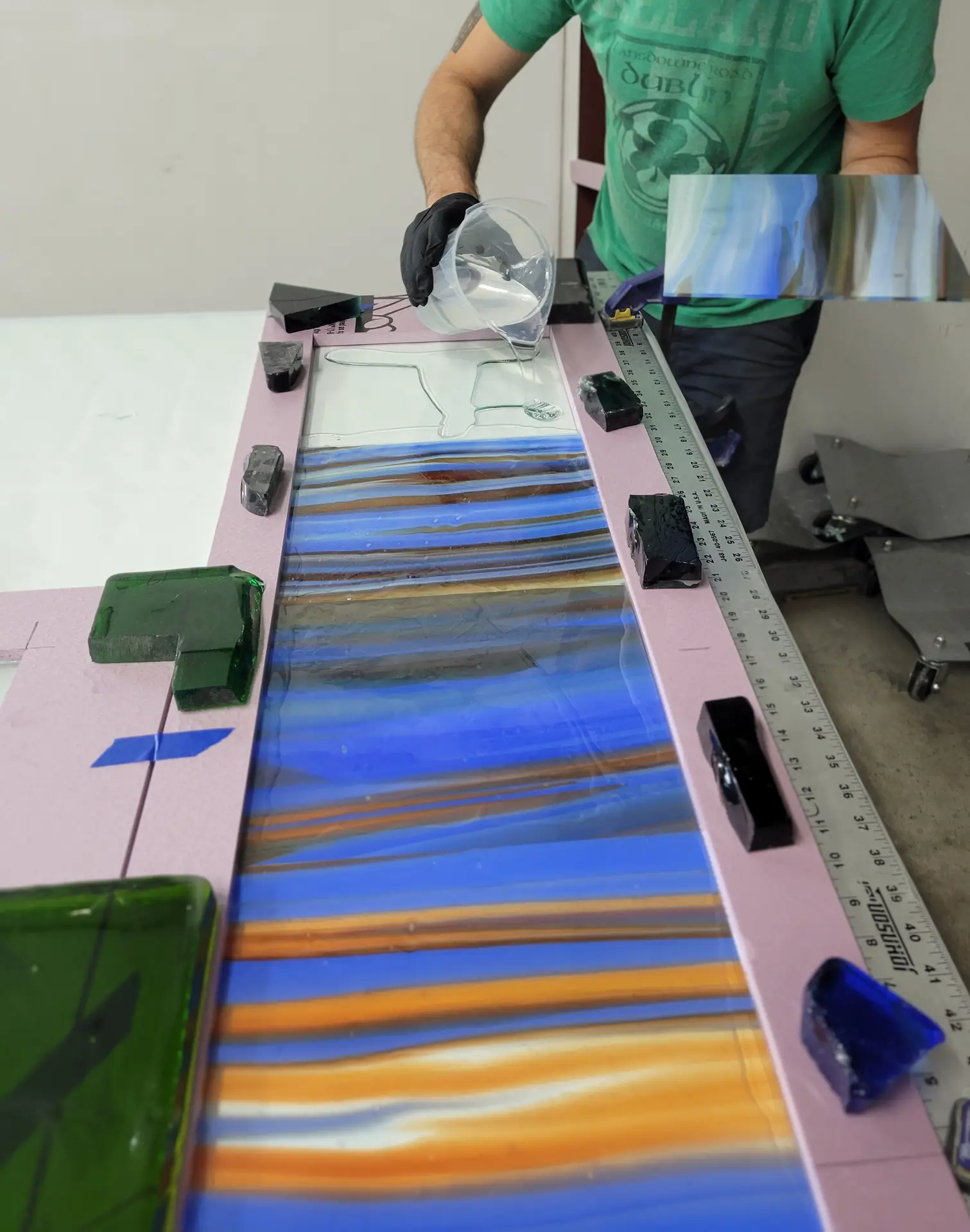
Laminated art glass offers several key benefits that enhance both durability and design.
- Enhanced Durability: The multi-layer construction of laminated glass provides increased resistance to impact and breakage, making it a safer option for architectural applications.
- Aesthetic Versatility: Laminated glass can be customized with various interlayers, allowing for creative designs that can incorporate colors, patterns, and textures.
- Energy Efficiency: Laminated glass improves thermal insulation, helping to regulate indoor temperatures and reduce energy consumption.
How Does Laminated Glass Contribute to Energy Efficiency in Buildings?
Laminated glass contributes to energy efficiency in buildings by optimizing natural light while minimizing heat loss. The layers of glass and interlayers work together to provide superior thermal regulation, which can significantly reduce heating and cooling costs. By allowing natural light to penetrate while maintaining comfortable indoor temperatures, laminated glass supports sustainable building practices.
How Are Architects, Interior Designers, and Real Estate Developers Using Art Glass in Cutting-Edge Modern Projects?
Architects, interior designers, and real estate developers are increasingly incorporating art glass into their cutting-edge modern projects. This trend reflects a growing appreciation for the aesthetic and functional benefits that art glass provides. Innovative applications include large-scale installations in public spaces, custom-designed windows in residential homes, and decorative elements in commercial buildings. Collaborations between architects and artists are also becoming more common, resulting in unique and impactful designs that push the boundaries of traditional architecture.
What Are the Latest Trends and Innovations Driving the Glass Renaissance?
The Glass Renaissance is being driven by several trends and innovations that are reshaping the use of art glass in architecture.
- Technological Advancements: New manufacturing techniques and materials are allowing for more intricate designs and larger installations, expanding the possibilities for architects and designers.
- Sustainability Trends: As the demand for environmentally friendly building materials grows, laminated and energy-efficient glass options are becoming more popular.
- Design Innovations: Emerging design styles are embracing bold colors and patterns, encouraging architects to experiment with art glass in new and exciting ways.
What Innovations in Technology and Design Are Influencing Modern Art Glass Applications?
Innovations in technology and design are significantly influencing modern art glass applications. Advanced fabrication techniques, such as digital printing and laser cutting, enable designers to create intricate patterns and custom designs with precision. Additionally, the use of new materials, such as low-iron glass, enhances clarity and color vibrancy, allowing for more striking visual effects in architectural applications.
How Are Architects and Designers Embracing New Aesthetics with Art Glass?
Architects and designers are embracing new aesthetics with art glass by integrating it into contemporary architectural styles. This includes the use of large glass panels that serve as focal points in modern buildings, as well as the incorporation of art glass into facades and interior spaces. The cultural influences on design are also evident, as artists draw inspiration from various artistic movements to create unique and meaningful installations that resonate with today’s audiences.
For those interested in exploring the practical aspects of stained glass in architecture, custom stained glass fabrication offers insights into the craftsmanship and design principles that bring these artworks to life.