Expert Guide to Selecting Architectural Glass and Finishes
The world of glass is vast and intricate, encompassing a variety of types, finishes, and materials that cater to both aesthetic and functional needs in architecture and design. This comprehensive guide delves into the essential aspects of glass types, including their unique qualities and applications, as well as the finishes that enhance their beauty and performance. Readers will learn about the manufacturing processes, the benefits of different glass finishes, and how material properties influence the selection of glass for various projects. Understanding these elements is crucial for achieving expert craftsmanship and design integrity in any glass-related endeavor. This article will explore key types of glass, the finishes that enhance their aesthetics, the impact of material properties, recent innovations in the industry, and the importance of collaboration among clients, architects, and artisans.
What Are the Key Types of Glass Used in Architectural and Decorative Applications?
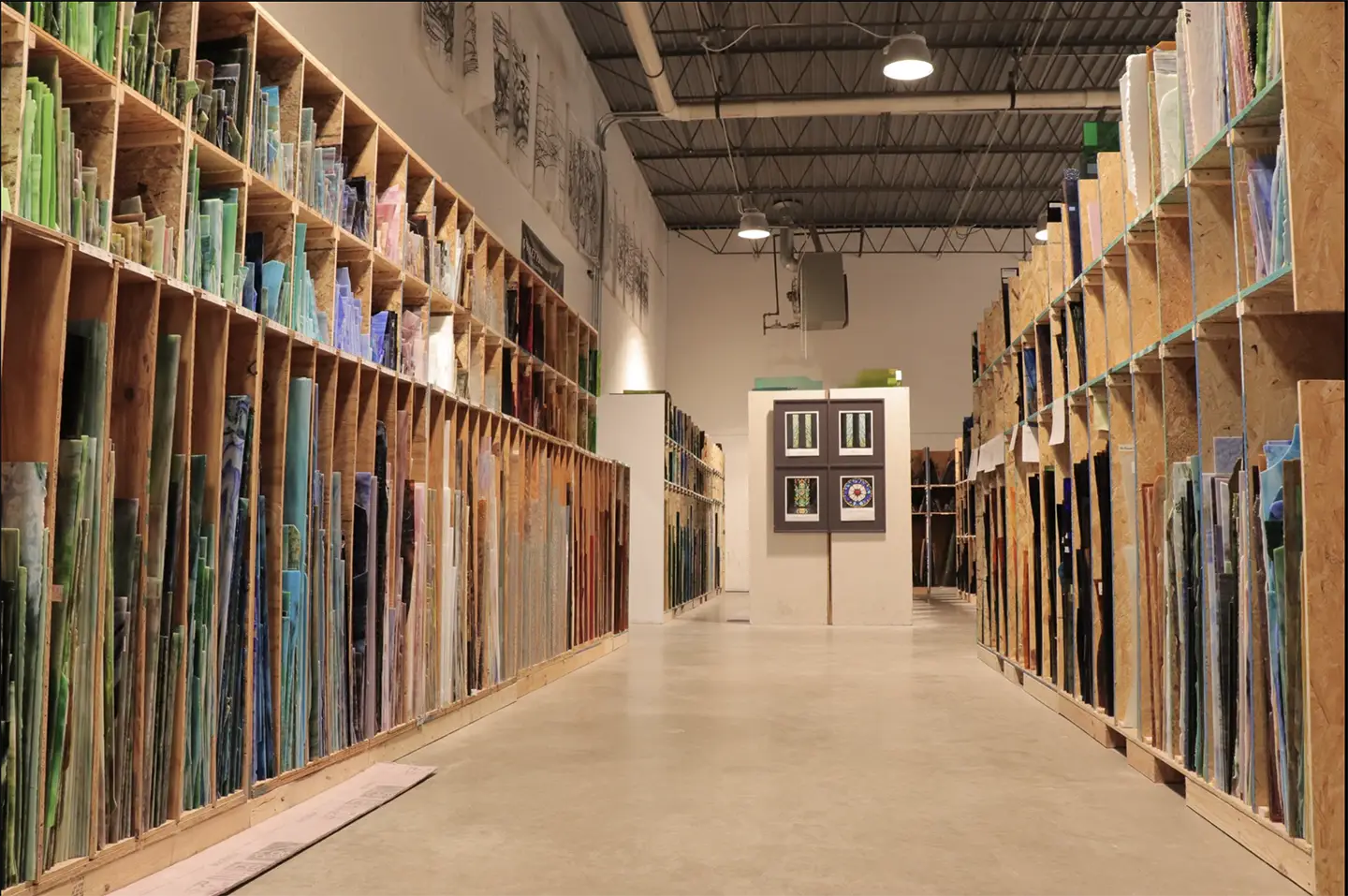
Glass is a versatile material used in various architectural and decorative applications, each type offering distinct characteristics and benefits. The primary types of glass include float glass, tempered glass, laminated glass, mouth blown glass, and cathedral glass. Each type serves specific purposes, from structural integrity to aesthetic appeal, making it essential to choose the right glass for the intended application.
How Is Mouth Blown Glass Manufactured and What Are Its Unique Qualities?
Mouth blown glass is crafted through a traditional technique where artisans blow air into molten glass, shaping it into unique forms. This method allows for intricate designs and variations in thickness, resulting in one-of-a-kind pieces. The unique qualities of mouth blown glass include its organic shapes and the ability to incorporate various colors and textures, making it a favored choice for artistic and decorative applications.
What Defines Cathedral Glass and Its Typical Uses in Design?
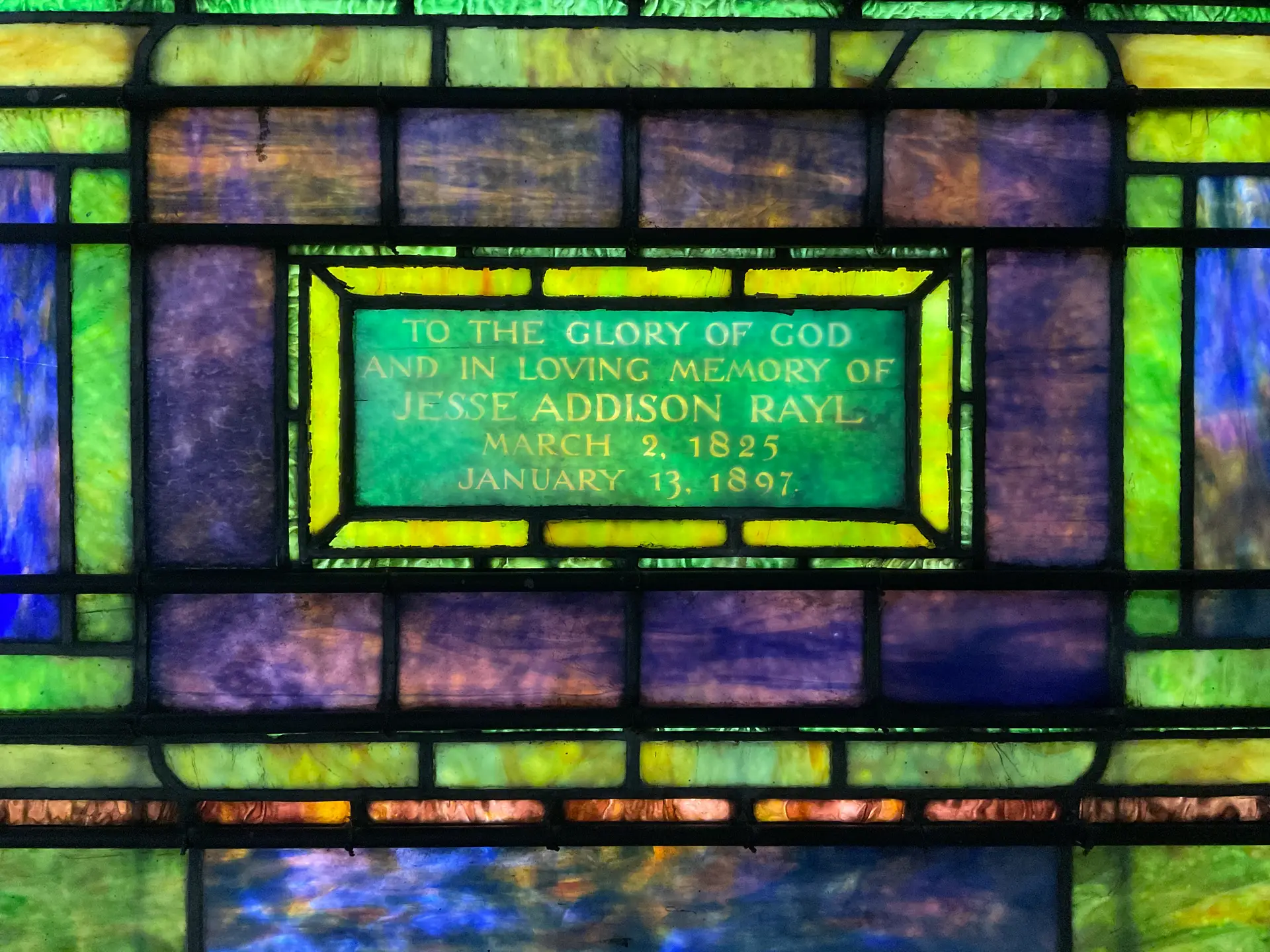
Cathedral glass is characterized by its translucent quality and vibrant colors, often used in stained glass windows and decorative panels. This type of glass is typically produced using a specific manufacturing process that enhances its color depth and light diffusion. Common applications of cathedral glass include church windows, art installations, and decorative room dividers, where its aesthetic appeal can be fully appreciated.
Which Finishes Enhance Glass Aesthetics and Functional Properties?
The finish of glass plays a crucial role in both its appearance and functionality. Various finishes, such as frosted, textured, tempered, and laminated, can enhance the glass’s aesthetic appeal while providing additional benefits like privacy and safety. Understanding these finishes is essential for selecting the right glass for specific design needs.
What Are the Characteristics and Benefits of Frosted and Textured Glass Finishes?
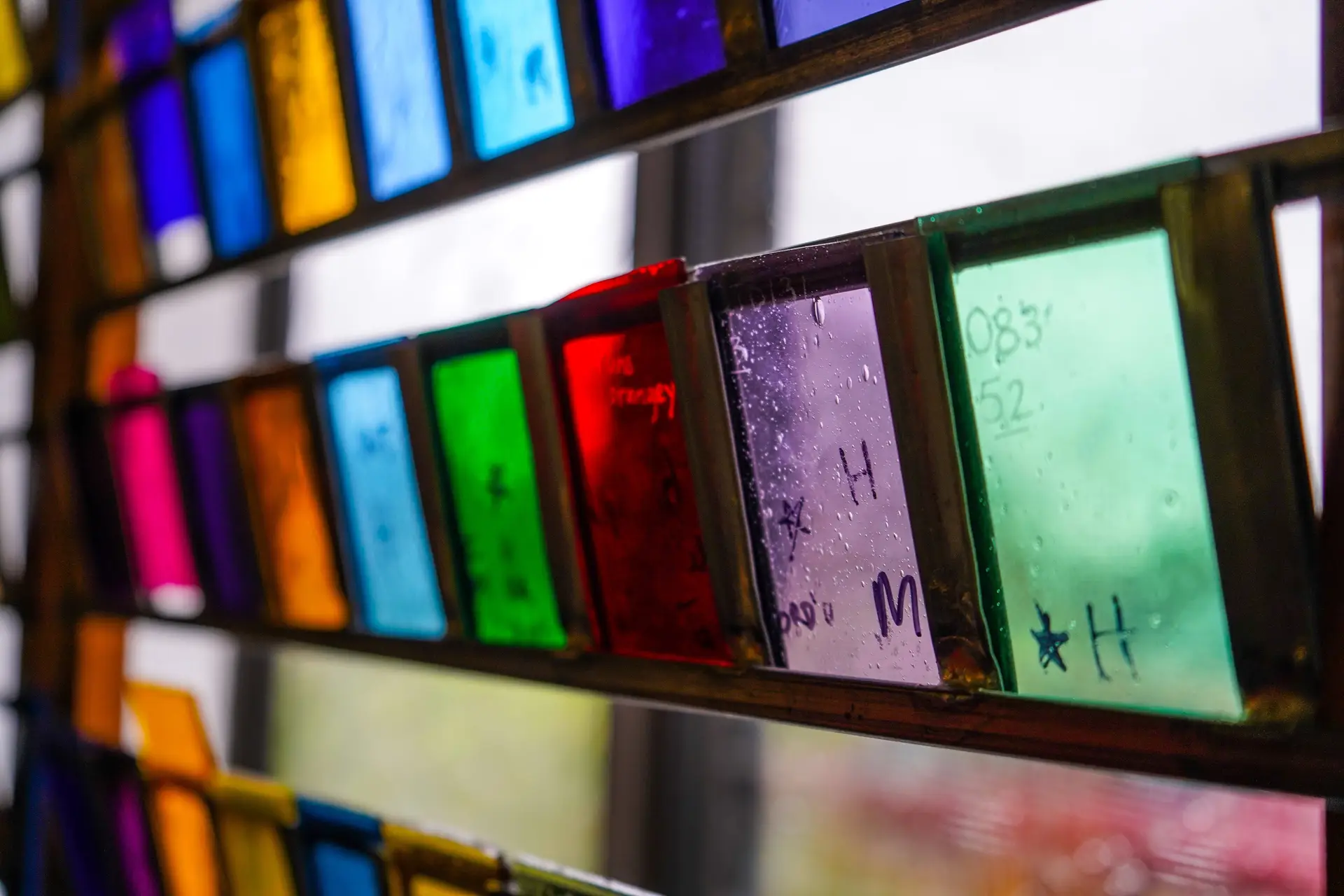
Frosted and textured glass finishes offer unique characteristics that enhance both aesthetics and functionality. Frosted glass provides a soft, diffused light effect while maintaining privacy, making it ideal for bathroom windows and office partitions. Textured glass, on the other hand, adds visual interest and can obscure views while allowing light to pass through. Both finishes are popular choices in modern design for their ability to blend beauty with practicality.
How Do Tempered and Laminated Glass Finishes Improve Safety and Durability?
Tempered and laminated glass finishes are essential for enhancing safety and durability in glass applications. Tempered glass undergoes a heating and cooling process that increases its strength, making it less likely to shatter upon impact. Laminated glass consists of two or more layers of glass bonded with a plastic interlayer, providing additional protection against breakage and UV rays. These finishes are commonly used in high-traffic areas, such as storefronts and public buildings, where safety is a priority.
How Do Material Properties Influence Glass Selection for Longevity and Performance?
The selection of glass for specific applications is heavily influenced by its material properties, including durability, transparency, and thermal resistance. Understanding these properties is crucial for ensuring that the chosen glass meets the performance requirements of the project.
What Are the Comparative Durability and Transparency Attributes of Different Glass Types?
Different glass types exhibit varying levels of durability and transparency, which can significantly impact their suitability for specific applications. For instance, tempered glass is known for its high durability and resistance to thermal stress, while float glass offers excellent clarity but is more susceptible to breakage. When selecting glass, it is essential to consider these attributes to ensure optimal performance and longevity.
How Do Thermal Resistance and Energy Efficiency Impact Glass Material Choices?
Thermal resistance and energy efficiency are critical factors in glass selection, especially in energy-conscious designs. Glass with high thermal resistance can help maintain indoor temperatures, reducing energy costs associated with heating and cooling. Additionally, energy-efficient glass options, such as low-emissivity (Low-E) glass, can minimize heat transfer while allowing natural light to enter, making them ideal for sustainable building practices.
What Are the Latest Innovations and Sustainability Trends in Glass Finishes and Materials?
The glass industry is continually evolving, with recent innovations focusing on sustainability and enhanced performance. New materials and finishes are being developed to meet the growing demand for eco-friendly solutions in architecture and design.
How Are Eco-Friendly Glass Materials and Advanced Coatings Shaping the Industry?
Eco-friendly glass materials, such as recycled glass and low-impact manufacturing processes, are gaining popularity as sustainability becomes a priority in design. Advanced coatings, such as self-cleaning and anti-reflective coatings, are also being developed to improve the functionality of glass while reducing maintenance needs. These innovations are shaping the future of the glass industry, promoting environmentally responsible practices.
What Recent Advances Enhance Durability and Energy Efficiency in Glass Products?
Recent advances in glass technology have led to the development of products that enhance both durability and energy efficiency. Innovations such as triple-glazed windows and advanced insulating glass units provide superior thermal performance while maintaining structural integrity. These advancements are essential for meeting modern energy standards and improving the overall performance of glass in architectural applications.
How Can Collaboration Between Clients, Architects, and Artisans Optimize Glass Selection?
Collaboration among clients, architects, and artisans is vital for optimizing glass selection and ensuring that design visions are realized effectively. This teamwork fosters a deeper understanding of the project requirements and allows for informed decisions regarding glass types and finishes.
What Is the Role of Expert Craftsmanship in Realizing Client Visions?
Expert craftsmanship plays a crucial role in translating client visions into tangible designs. Skilled artisans bring a wealth of knowledge and experience to the table, ensuring that the selected glass is not only aesthetically pleasing but also functional and durable. Their expertise in working with various glass types and finishes allows for innovative solutions that meet the unique needs of each project.
How Does a Collaborative Approach Ensure Quality and Design Integrity?
A collaborative approach ensures that all stakeholders are aligned in their goals, leading to higher quality outcomes and design integrity. By involving artisans early in the design process, architects can leverage their insights to select the most suitable glass materials and finishes. This synergy ultimately results in projects that reflect the client’s vision while adhering to the highest standards of craftsmanship.
What Are Common Questions About Glass Types, Finishes, and Material Selection?
As the demand for glass in architectural and decorative applications grows, so do the questions surrounding its types, finishes, and material selection. Addressing these common inquiries can help clarify the complexities of glass choices.
What Are the Benefits and Applications of Stained Glass Types?
Stained glass offers a unique blend of beauty and functionality, making it a popular choice for various applications. Its vibrant colors and intricate designs can enhance the aesthetic appeal of windows, doors, and decorative panels. Additionally, stained glass can provide privacy while allowing natural light to filter through, making it suitable for both residential and commercial spaces.
How Do Frosted Glass Finishes Affect Light Diffusion and Privacy?
Frosted glass finishes significantly impact light diffusion and privacy in design. By scattering light, frosted glass creates a soft, ambient glow while obscuring views, making it ideal for spaces where privacy is essential, such as bathrooms and conference rooms. This balance of light and privacy makes frosted glass a versatile choice in modern architecture.