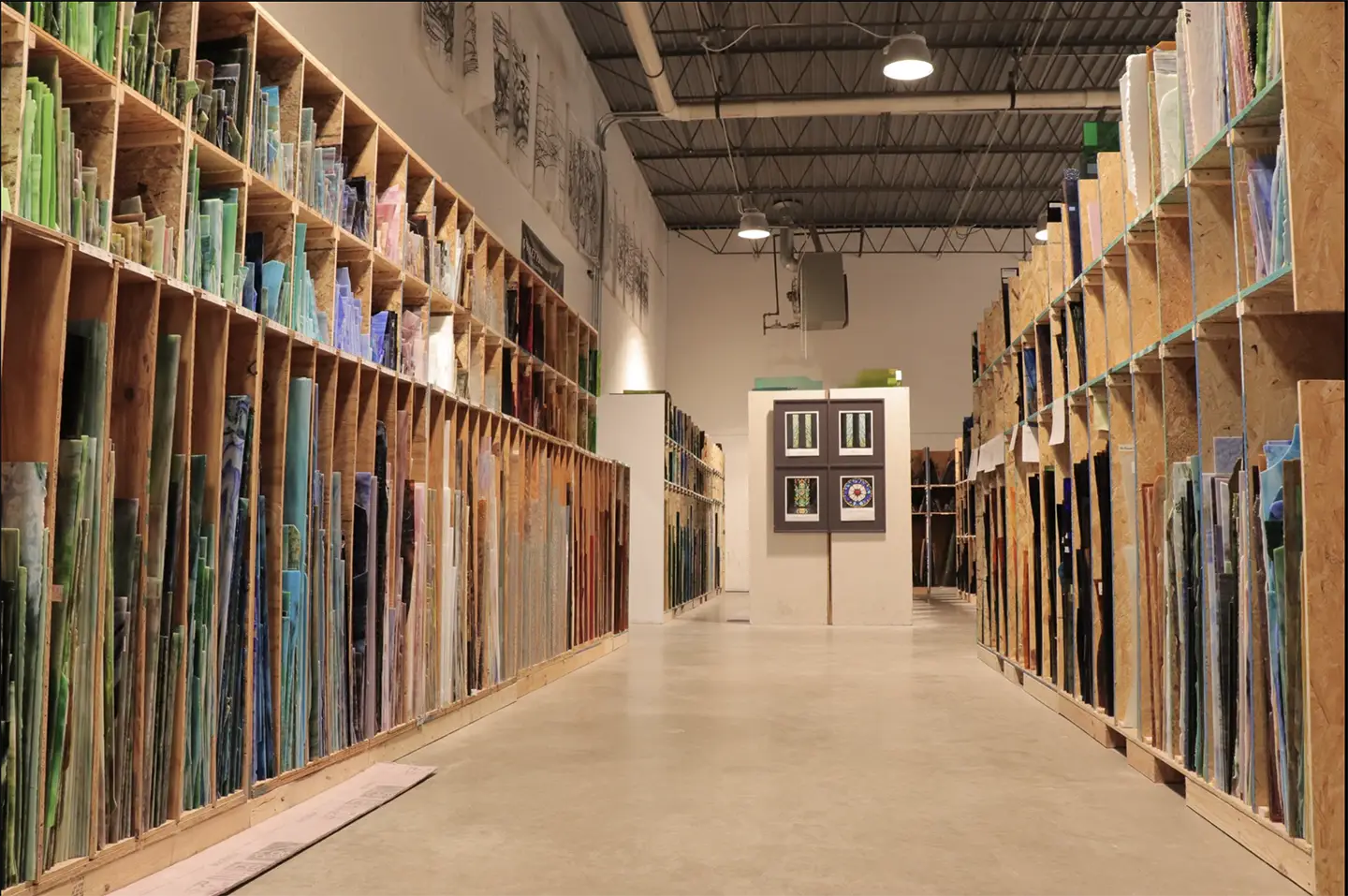
Stained glass windows are more than mere architectural elements; they’re luminous storytellers. These intricate panes of art have adorned churches, historic buildings, and private homes for centuries, illuminating spaces with their vibrant hues and profound narratives. But like all masterpieces, time and nature take their toll, leaving these windows in need of meticulous care to preserve their beauty and significance.
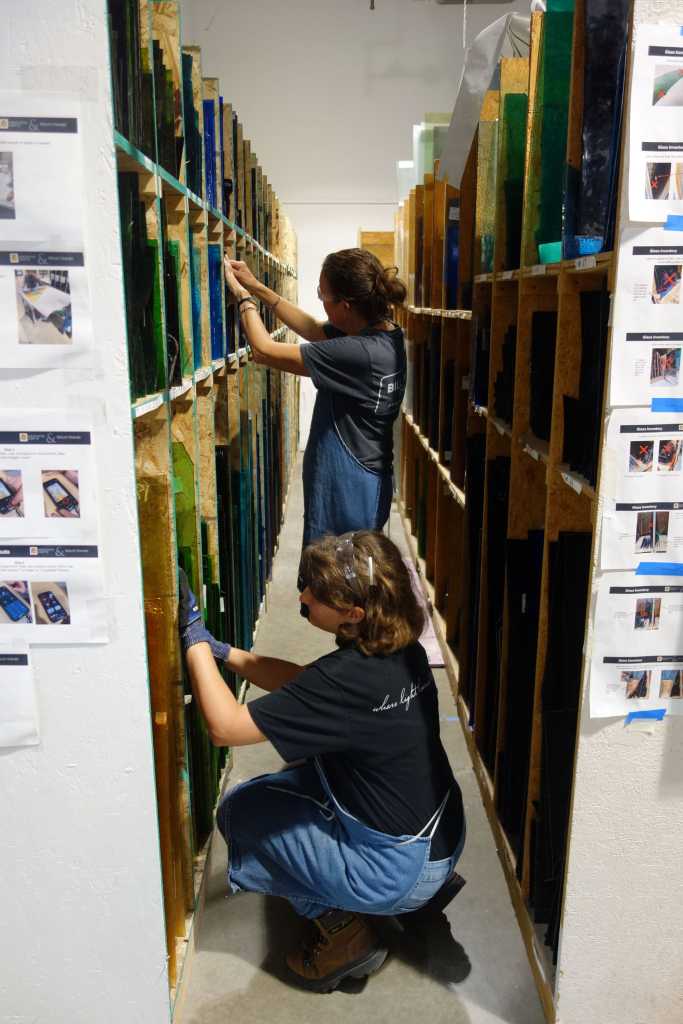
The Delicate Art of Stained Glass Repair
Stained glass restoration is both an art and a science. Unlike standard window repair, it requires a deep understanding of artistic techniques, historical context, and structural integrity. Each pane blends color, light, and texture to tell a story, so the repair process must balance preservation with restoration. This craftsmanship involves more than simply replacing broken glass; it’s about ensuring that every detail remains true to the original artistry. From selecting glass that matches centuries-old hues to replicating brushstrokes in painted scenes, the work requires nothing less than perfection.
Common Issues in Stained Glass Windows
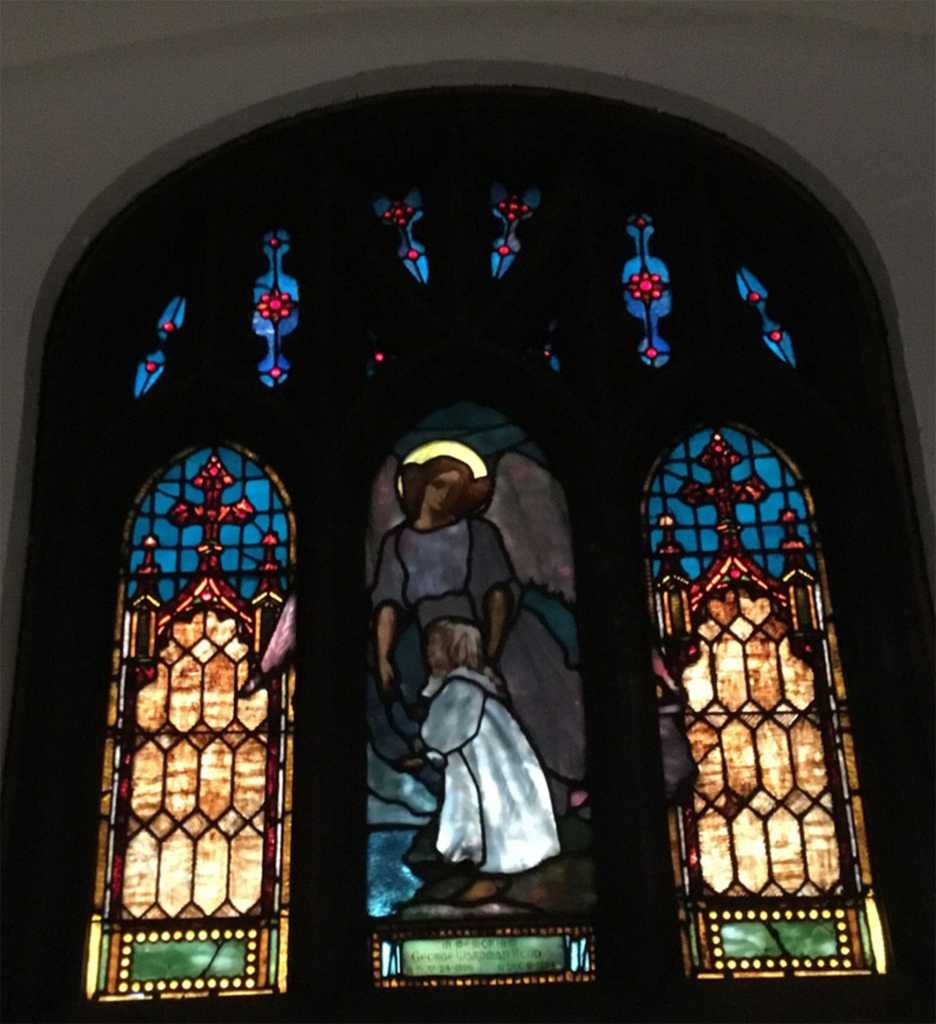
Stained glass windows face a host of challenges over time. Common issues include:
- Lead deterioration occurs as the lead cames holding the glass in place gradually weaken and lose their structural integrity over time. This is due to the natural malleability of lead, which causes it to sag or crack after decades of use, leaving the window less stable and secure.
- Cracked or broken panes are a common issue that can arise from a variety of factors, including severe weather, temperature extremes causing the glass to expand and contract, or physical impacts. These damages not only compromise the window’s appearance but can also threaten its overall structural integrity.
- Bowed or warped panels develop as a result of age and gravity. Over time, the weight of the window and the natural shift of materials can cause misalignment or distortion, leaving the panels uneven and increasingly unstable.
- Fading paint on decorative sections of the glass diminishes the visual impact and historical significance of a stained-glass piece. Exposure to sunlight or environmental conditions over the years often results in a loss of vivid details and intricate artistry.
- Accumulated grime and deposits such as dirt, dust, and mineral buildup can obscure the brilliance and vibrancy of a stained-glass window. These layers of grime reduce visibility and take away from the intricate designs and colors that define their artistic and historical value.
Each of these issues, if left unaddressed, can compromise the window’s integrity and aesthetic appeal, making professional repair essential.
The Repair Process Step by Step
Restoring a stained glass window is a precise and painstaking process that depends on the skill of experienced artisans. At Willet Stained Glass Studios, this process is handled with meticulous care and a commitment to excellence.
Step 1. Assessment and Documentation
Every repair begins with a thorough inspection of the stained glass’s current condition. Each detail, from structural damage to faded paints, is documented with photographs and sketches to ensure a faithful restoration.
Step 2. Careful Removal
If necessary, the window is carefully removed from its setting to avoid further damage during transportation. This step requires experienced hands to safeguard the glass and its framework.
Step 3. Dismantling
The panels are dismantled with precision, separating glass pieces and came for individual inspection. This phase allows the team to evaluate every component up close.
Step 4. Cleaning and Repairing Glass
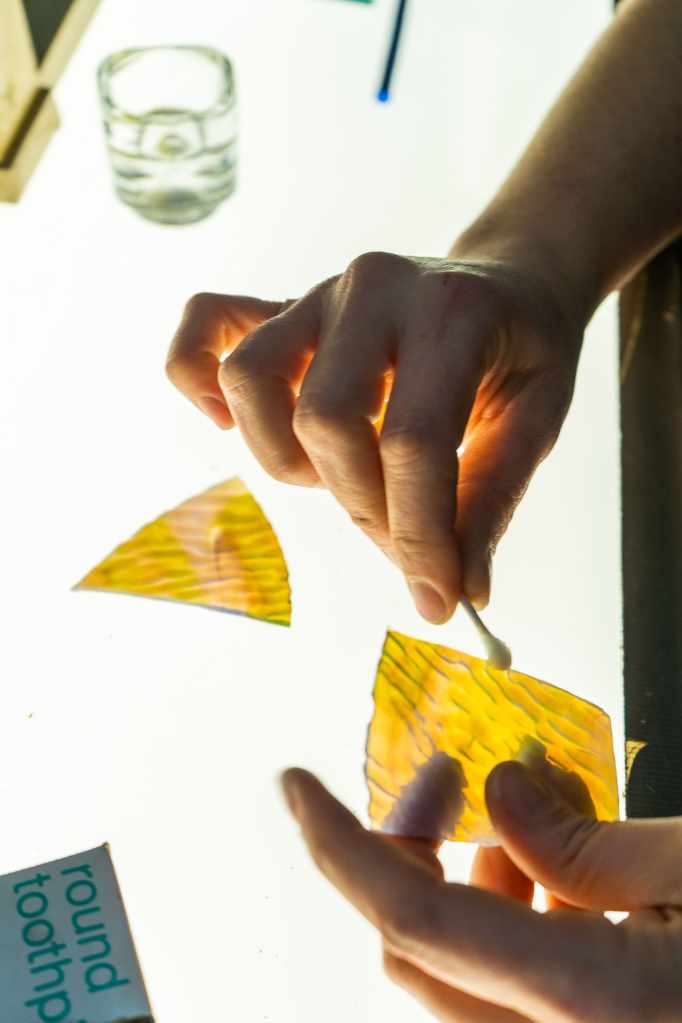
Grime, old paint, and corrosion are gently removed to reveal the original brilliance of the glass. Broken pieces are repaired where possible or replaced with meticulously matched glass to maintain authenticity.
Step 5. Lead Came Replacement
If the lead came is weakened or damaged, it is replaced with new came crafted to match the original. This step restores structural stability and ensures the longevity of the piece.
Step 6. Painting and Kiln Firing
For painted designs, skilled artists replicate intricate details using traditional vitreous paint techniques. The glass is kiln-fired to cure the paints and ensure durability.
Step 7. Reintegration and Waterproofing
The restored components are reassembled and waterproofed to create a durable, weather-resistant window that enhances both beauty and functionality.
Step 8. Reinstallation
Finally, the fully restored window is carefully reinstalled in its original setting, ready to inspire awe for generations to come.
Introducing Willet Stained Glass Studios
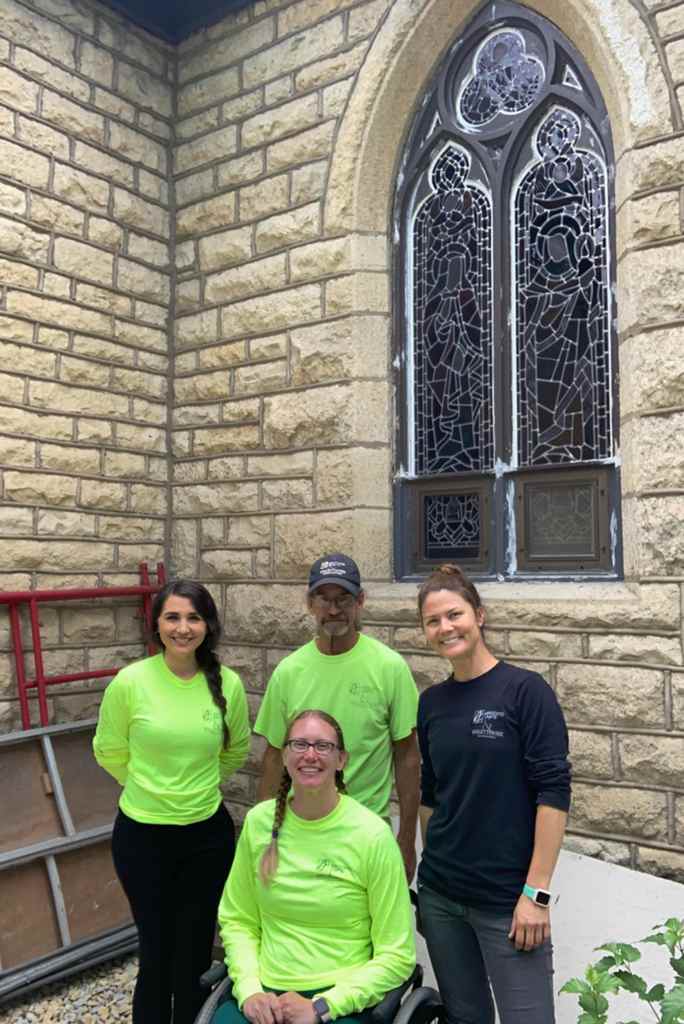
With more than 125 years of experience and 36,000 buildings served, Willet Stained Glass Studios stands as a global authority in stained glass artistry and restoration. Trusted by historic landmarks, churches, and private properties, our team of expert artisans delivers unparalleled craftsmanship and artistry. Willet Studios offers an array of benefits, including:
- Complimentary inspections and appraisals.
- A dedicated onsite repair and installation crew.
- Paint and design restoration experts, including renowned glass painters such as Kathy Jordan.
- A 10-year warranty ensuring peace of mind.
Benefits of Professional Stained Glass Repair
Choosing professional restoration ensures more than just aesthetic value. Here’s what you gain from expert stained glass repair services such as those offered at Willet Studios:
- Authenticity preservation for irreplaceable historic elements.
- Durability and structural integrity from high-quality materials and methods.
- Enhanced aesthetics and light quality, revitalizing the charm and brilliance of the space.
- Valuable investment for homeowners and institutions, enhancing property value and historical significance.
The Future of Stained Glass Preservation
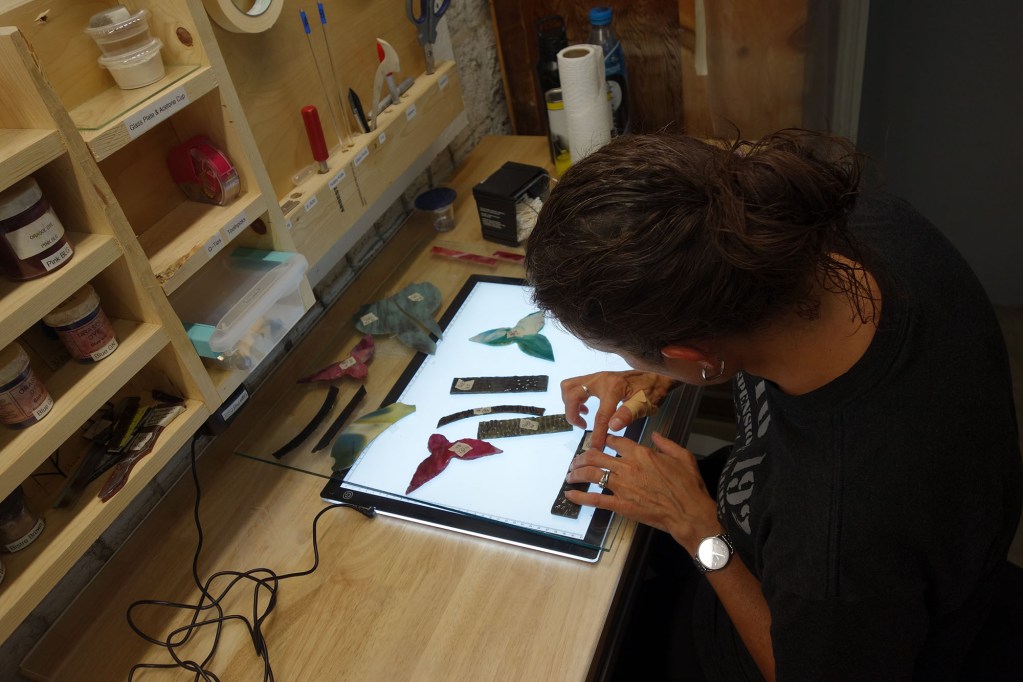
While stained glass craftsmanship is steeped in tradition, advancements in technology and materials are shaping the future of preservation. From digital design tools to 3D printing of replacement glass pieces, innovation enhances the accuracy and efficiency of repairs. However, artistry and a trained eye remain at the heart of the process, ensuring that each pane retains its historical and emotional resonance. Willet Stained Glass Studios continues to be a trailblazer in preserving stained glass art, blending time-honored craftsmanship with modern innovations to ensure these masterpieces endure.
Ensuring Art Preserves for Generations
Stained glass windows are more than just decorative elements; they’re windows into the past, connecting us with the art, culture, and craftsmanship of bygone eras. By investing in professional restoration, owners ensure these luminous treasures remain captivating for future generations. If your stained glass windows could use a little polish or need extensive repair, reach out to Willet Stained Glass Studios today. Request your free stained glass inspection and appraisal and take the first step toward preserving history pane by pane.