
The History of Stained Glass: Exploring Gothic Windows, Medieval Art, Restoration Techniques, and Modern Designs
By Amanda Steine, Willet Stained Glass Studios
Stained glass is a captivating art form that has evolved significantly from its ancient origins to the modern masterpieces we see today. This article delves into the rich history of stained glass, exploring its development through various artistic movements, particularly focusing on Gothic windows and medieval art. Readers will gain insights into the techniques used in stained glass creation, the importance of restoration, and the innovative designs that characterize contemporary stained glass art. As we navigate through this journey, we will also address the challenges faced in preserving this delicate art form and highlight the role of specialized studios like Willet Stained Glass Studios in maintaining the integrity of stained glass craftsmanship.
The exploration begins with the ancient origins of stained glass, tracing its roots and the materials that defined its early forms. We will then discuss the significance of Gothic stained glass in medieval architecture, followed by an examination of restoration techniques that ensure the longevity of these historical works. Finally, we will look at modern designs and how they reflect contemporary artistic expressions while maintaining a connection to traditional methods.
Gothic Windows and Medieval Art:
Gothic stained glass windows are renowned for their intricate designs and vibrant colors, serving both aesthetic and functional purposes in medieval architecture. These windows were not merely decorative; they played a crucial role in storytelling, illuminating biblical narratives and saints’ lives to educate the largely illiterate populace of the time. The use of light in Gothic cathedrals created a spiritual atmosphere, enhancing the worship experience.
The artistic techniques employed in Gothic stained glass included the use of lead came, which allowed for the assembly of small glass pieces into larger compositions. This method not only provided structural integrity but also enabled artisans to create detailed images and patterns. The cultural significance of these windows cannot be overstated, as they reflect the values and beliefs of the society that produced them, showcasing the intersection of art, religion, and community.
Restoration Techniques:
Restoration of stained glass is a delicate process that requires a deep understanding of both the art form and the materials involved. The assessment of a stained glass window’s condition is the first step in the restoration process, which involves identifying any damage or deterioration. Common restoration methods include cleaning, repairing broken glass, and replacing missing pieces while ensuring historical accuracy.
How Is the Lead Came Technique Used in Stained Glass Creation?
The lead came technique is fundamental to stained glass fabrication, involving the use of lead strips to hold glass pieces together. This method allows for flexibility in design, enabling artisans to create intricate patterns and shapes. The lead came not only provides structural support but also contributes to the overall aesthetic by framing each glass piece, enhancing the visual impact of the window. Historically, this technique has been pivotal in the creation of both Gothic and modern stained glass works, showcasing the enduring nature of traditional craftsmanship.
What Are Modern Approaches to Historic Stained Glass Restoration?
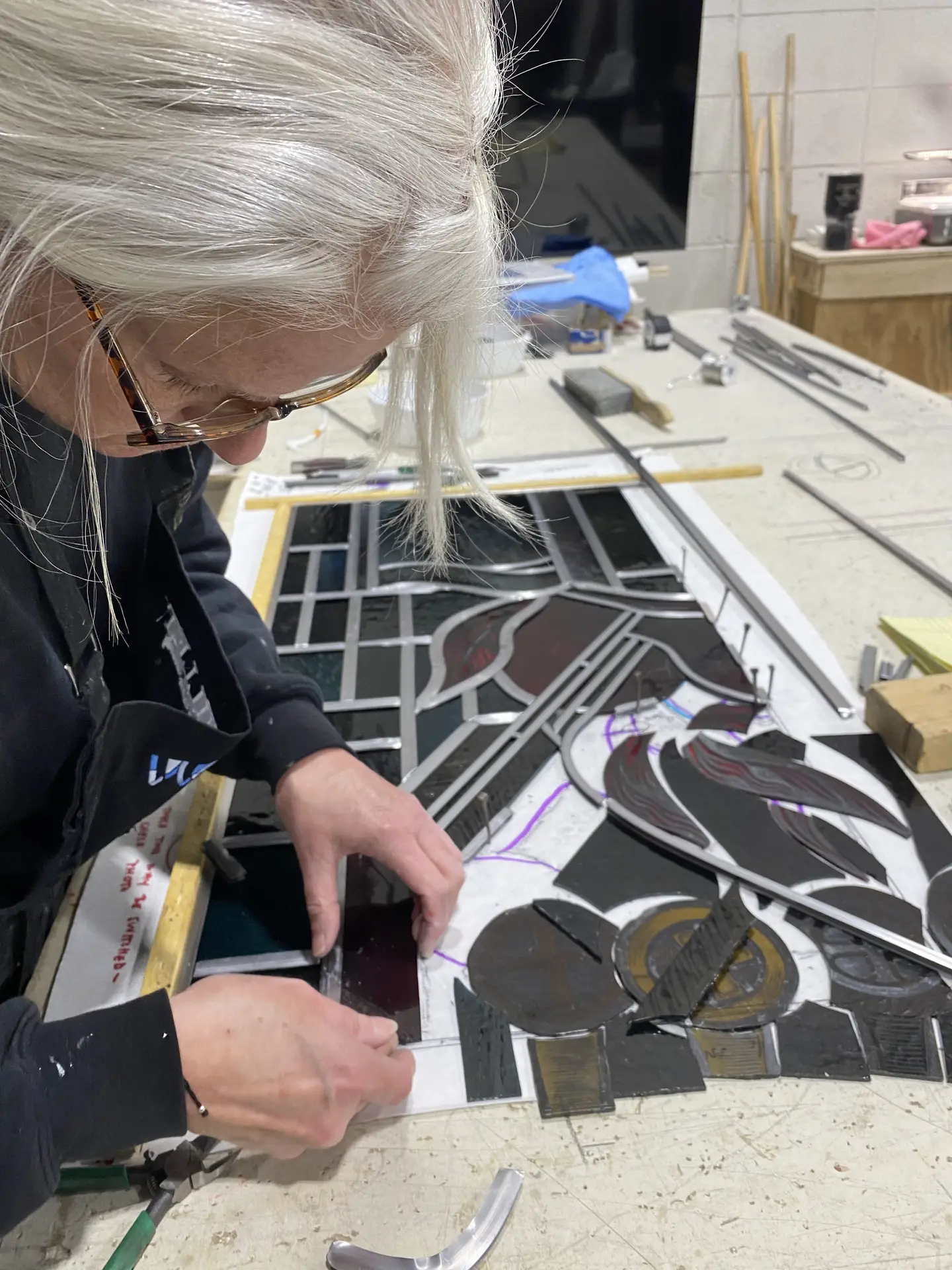
Modern restoration techniques have evolved to incorporate advanced technologies and materials, ensuring that historical stained glass windows can be preserved for future generations. Current restoration technologies include the use of UV-protective coatings and specialized adhesives that minimize further damage while maintaining the integrity of the original work. Challenges faced in restoration often involve balancing the need for preservation with the desire for aesthetic enhancement, making the expertise of restoration specialists crucial. Case studies of successful restorations highlight the importance of meticulous planning and execution in preserving these cultural treasures.
Further research highlights the significant advancements in conservation methods, driven by new technologies and interdisciplinary studies.
Stained Glass Conservation: New Technologies & Research Trends
This study uses Scopus data from 1855 to 2023 to examine key trends and developments in stained glass research, showing a notable increase in academic work after 2000. This growth is linked to advances in digital technology and wider global access, allowing for interdisciplinary research combining materials science, engineering, and cultural studies. New technologies, such as hyperspectral imaging and laser cleaning, have significantly improved conservation methods. The study also shows an increasing contribution from the United States, alongside the continued leadership of Europe, with more diverse sources of funding reflecting global investment in stained glass research. By offering a comprehensive, long-term analysis, this review fills gaps in previous studies by addressing the lack of integrated research across different fields and regions. It provides useful insights for future research, policy-making, and conservation efforts, highlighting the global importance of stained
Windows of insight: A review on stained glass research trends, K Leong, 2019
Modern Designs:
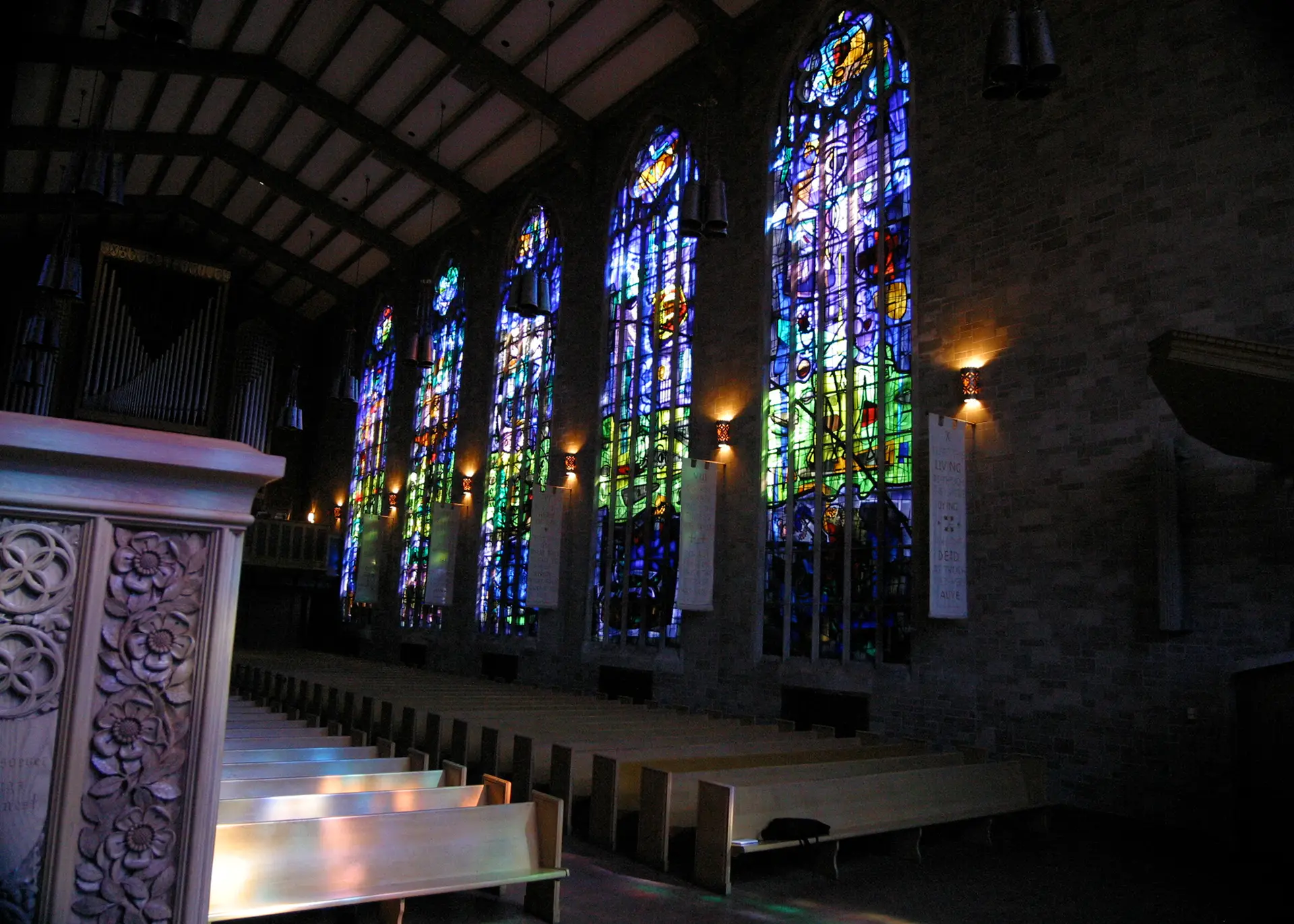
The evolution of stained glass in contemporary architecture reflects a blend of traditional techniques and innovative design approaches. Modern stained glass is often integrated into various architectural styles, from residential homes to public buildings, enhancing both aesthetic appeal and emotional ambiance. Innovative designs frequently utilize abstract forms and contemporary themes, allowing artists to express personal narratives and societal issues through their work.
Willet Stained Glass Studios exemplifies this integration of modern design with traditional craftsmanship. Their extensive portfolio showcases a range of projects that highlight the versatility of stained glass, from custom window creations to restoration of historic pieces. The studio’s commitment to craftsmanship and historical accuracy ensures that each project not only meets the artistic vision of the client but also respects the rich heritage of stained glass art.
What Are the Ancient Origins of Stained Glass Art?
The origins of stained glass can be traced back to ancient civilizations, where early artisans experimented with colored glass to create decorative elements for architecture. The techniques used in ancient stained glass were rudimentary compared to modern standards, yet they laid the groundwork for future developments in the art form.
How Did Early Civilizations Develop Stained Glass?
Early civilizations, such as the Egyptians and Romans, utilized colored glass in their mosaics and windows, often incorporating natural materials to achieve vibrant hues. Techniques evolved over time, influenced by cultural exchanges and advancements in glassmaking. The craftsmanship of these early artisans was characterized by a deep understanding of materials and a desire to create visually stunning works that could withstand the test of time.
What Materials and Techniques Defined Ancient Stained Glass?
The materials used in ancient stained glass included various types of glass, often colored with metal oxides to achieve different shades. Techniques such as glass blowing and casting were employed to create unique shapes and forms. The craftsmanship involved in producing stained glass was labor-intensive, requiring skilled artisans to master the delicate balance of color, light, and form.
Who Are the Famous Stained Glass Artists and Studios Through History?
Throughout history, several artists and studios have made significant contributions to the field of stained glass, each leaving a lasting impact on the art form. Their innovative techniques and unique styles have shaped the evolution of stained glass, influencing generations of artists.
What Contributions Did Louis Comfort Tiffany and Other Masters Make?
Louis Comfort Tiffany is perhaps the most renowned stained glass artist, known for his innovative use of color and texture. His techniques, including the use of opalescent glass, revolutionized the art form, allowing for greater depth and richness in stained glass designs. Tiffany’s legacy continues to inspire contemporary artists, as his work exemplifies the fusion of art and craftsmanship.
How Does Willet Stained Glass Studios Continue the Legacy?
Willet Stained Glass Studios plays a vital role in continuing the legacy of stained glass artistry. With a commitment to historical accuracy and artistic innovation, the studio has produced numerous notable projects that reflect both traditional and contemporary styles. Their expertise in custom stained glass window creation and restoration services ensures that the rich heritage of stained glass art is preserved and celebrated.
How Has Modern Stained Glass Design Evolved From Traditional Art?
Modern stained glass design has evolved significantly from its traditional roots, embracing new materials and techniques while maintaining a connection to the past. This evolution reflects broader trends in art and architecture, as contemporary artists seek to push the boundaries of what stained glass can achieve.
What Innovations Define Contemporary Stained Glass Art?
Contemporary stained glass artists are exploring innovative materials, such as dichroic glass and digital printing, to create unique visual effects. These innovations allow for greater flexibility in design and the ability to convey complex themes and narratives. The integration of stained glass into modern architecture also highlights its adaptability, as it can enhance both residential and commercial spaces.
How Do Custom Commissions Reflect Client Collaboration Today?
Custom commissions in stained glass art often involve close collaboration between the artist and the client, allowing for personalized designs that reflect individual tastes and preferences. This collaborative process not only results in unique works of art but also fosters a deeper connection between the artist and the client, ensuring that the final piece resonates on a personal level. The emphasis on client input in the design process is a hallmark of modern stained glass artistry, showcasing the evolving nature of this timeless craft.