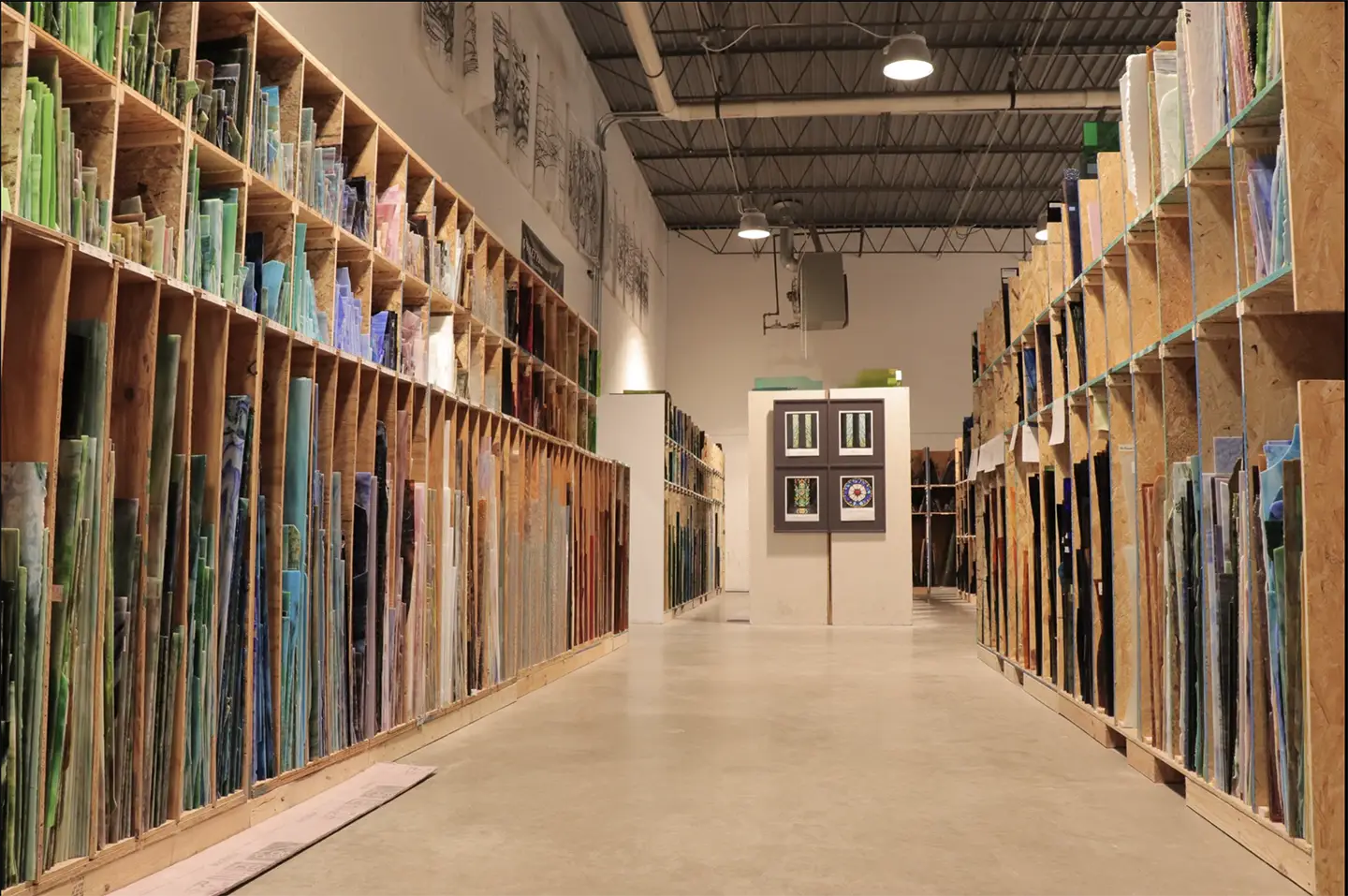
Contemporary Stained Glass: Synthesis of Art and Architecture
Contemporary and abstract stained glass design represents a fusion of artistic expression and architectural innovation, captivating audiences with its vibrant colors and intricate patterns. This article delves into the defining characteristics of contemporary stained glass art, exploring how abstract design principles shape modern patterns and the materials and techniques that elevate craftsmanship. Readers will gain insights into the integration of architectural glass panels in contemporary buildings, the latest trends in sustainable stained glass art, and the collaborative processes that bring these stunning installations to life. As the demand for unique and expressive architectural elements grows, understanding the nuances of stained glass design becomes essential for both artists and architects alike.
What Defines Contemporary and Abstract Stained Glass Art?
Contemporary and abstract stained glass art is characterized by its innovative use of color, form, and light, often breaking away from traditional designs to embrace modern aesthetics. This art form utilizes various techniques and materials to create pieces that not only serve as decorative elements but also enhance the architectural integrity of spaces. The evolution of stained glass has seen a shift towards more abstract representations, allowing artists to express complex themes and emotions through their work. This transformation reflects broader trends in art and design, where individuality and creativity are paramount.
How Do Abstract Design Principles Shape Modern Stained Glass Patterns?
Abstract design principles play a crucial role in shaping modern stained glass patterns by emphasizing form, color, and texture over representational imagery. Artists often draw inspiration from geometric shapes, organic forms, and the interplay of light and shadow. For instance, the use of asymmetry and bold color contrasts can evoke emotional responses, inviting viewers to engage with the artwork on a deeper level. This approach not only enhances the visual impact of stained glass but also allows for greater artistic freedom, resulting in unique installations that reflect contemporary sensibilities.
Which Modern Materials and Techniques Elevate Stained Glass Craftsmanship?
The craftsmanship of stained glass has been significantly enhanced by the introduction of modern materials and techniques. Artists now have access to a wider variety of glass types, each offering distinct properties that influence the final artwork. Techniques such as sandblasting, painting, and fusing allow for greater detail and complexity in designs, pushing the boundaries of traditional stained glass art.
What Are the Properties of Glass Types Used in Contemporary Installations?
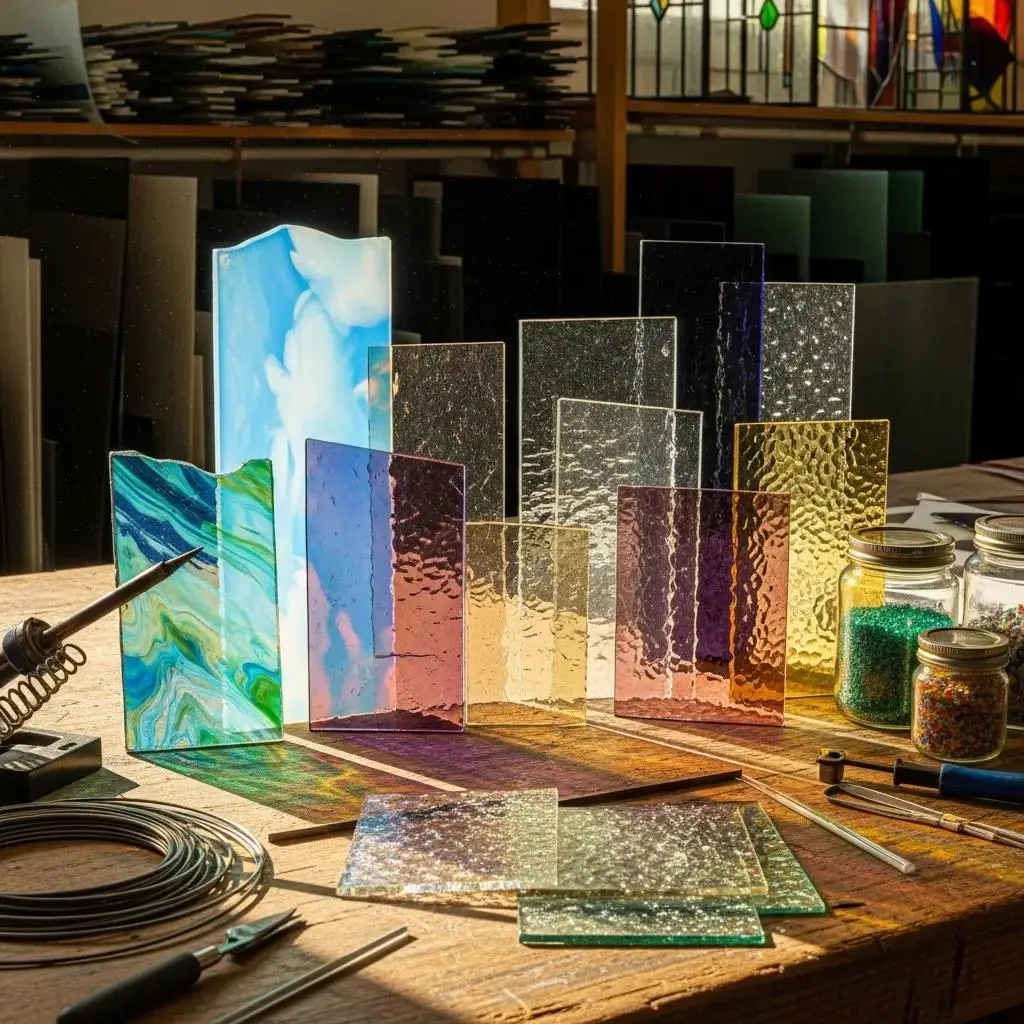
Different types of glass used in contemporary installations possess unique properties that affect their appearance and functionality. For example, opalescent glass offers a soft, diffused light effect, while clear glass provides sharp, vibrant colors when illuminated. Additionally, textured glass can create interesting visual effects by distorting light, adding depth to the artwork. Understanding these properties is essential for artists to select the appropriate materials for their designs.
This comparison highlights how the choice of glass type can significantly influence the overall aesthetic and impact of stained glass installations.
How Does the Fabrication and Installation Process Ensure Quality and Durability?
The fabrication and installation process of stained glass is critical to ensuring the quality and durability of the artwork. Each piece undergoes meticulous planning, cutting, and assembly, often involving techniques such as lead came or copper foil to secure the glass. Quality assurance measures, including thorough inspections and testing, are implemented to guarantee that the final product meets the highest standards. Proper installation is equally important, as it ensures that the artwork is securely mounted and protected from environmental factors.
How Are Architectural Glass Panels Integrated into Contemporary Building Designs?
Architectural glass panels have become integral to contemporary building designs, offering both aesthetic appeal and functional benefits. These panels can be customized to fit various architectural styles, enhancing the overall design while providing natural light and visual connectivity between indoor and outdoor spaces. The integration of stained glass panels into facades, windows, and interior partitions allows for creative expression while maintaining structural integrity.
Architectural Glass Applications in Modern Building Design
1. This chapter on architectural glass focuses on the use of glass in buildings and structures. It covers a wide variety of glass applications ranging from its most frequent use in facade glazing systems to advanced applications of glass as a load-bearing material. The latter is a relatively young field of application and evolved from the early 1990s from simple beam applications to today’s all-glass structures. An overview of flat glass products that are frequently applied in architecture is provided in Sect.52.1. This includes a discussion of the related float glass production process, processing technologies, surface treatments, and glass functionalities such as insulation and fire resistant and switchable glazing. In addition to these flat glass products, which are most commonly applied in architecture, Sect.52.2discusses cast glass products. Cast glass products such as glass channels and glass blocks provide a different typology and offer a different architectural expression from flat glass products and are as such frequently used in exterior facades and interior separation walls. The application of glass in common facade systems and as a load-bearing material in structures is discussed in Sect.52.3. This includes a reflection on the related design methodologies and safety concepts that deal with the brittle and, thus, inherently unsafe failure behavior of glass. Section52.4describes different typologies for connecting glass components such as glass facade panels or structural glass beams. This includes a discussion of classical mechanical connections and more recent adhesive bonding technologies that provide new opportunities for glass engineering. Section52.5discusses numerical modeling procedures that can be used in the design and engineering of glass in the architectural domain. Finally, an outlook for future developments in architectural glass is provided in Sect.52.6.
Architectural glass, J Belis, 2019
What Benefits Do Custom Stained Glass Patterns Offer to Modern Facades?
Custom stained glass patterns provide numerous benefits to modern facades, including enhanced aesthetics, energy efficiency, and privacy. These unique designs can transform ordinary buildings into striking landmarks, attracting attention and admiration. Additionally, stained glass can help regulate indoor temperatures by controlling the amount of sunlight entering a space, contributing to energy efficiency. Customization options allow architects and clients to collaborate on designs that reflect their vision and brand identity.
How Do Lighting Effects Enhance Abstract Glass Window Designs?
Lighting plays a pivotal role in enhancing abstract glass window designs, as it interacts with the glass to create dynamic visual effects. Natural light can illuminate the colors and textures of stained glass, producing a stunning display that changes throughout the day. Artificial lighting techniques, such as backlighting or spotlighting, can further enhance the artwork’s impact, creating dramatic contrasts and highlighting specific features. Case studies of successful installations demonstrate how thoughtful lighting design can elevate the overall experience of stained glass art.
What Are the Latest Trends and Innovations in Sustainable Stained Glass Art?
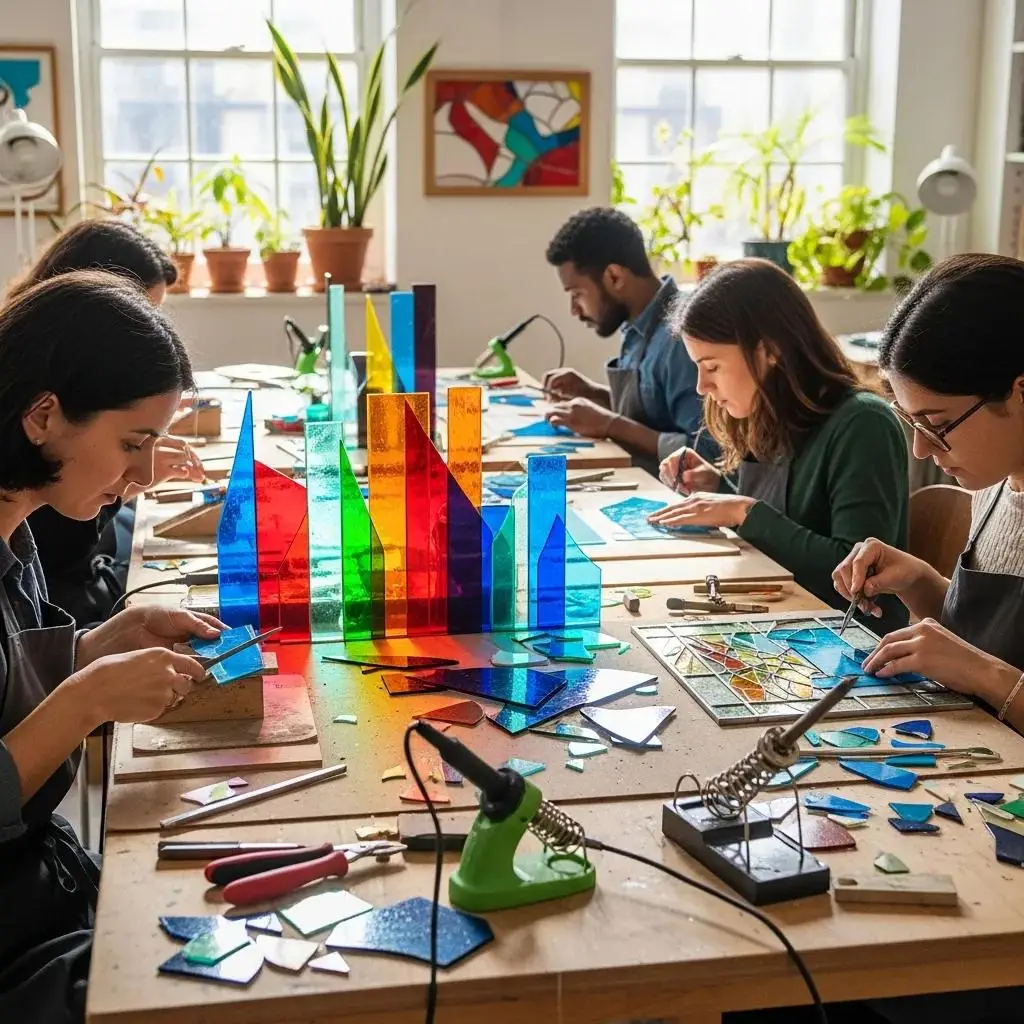
Sustainability has become a significant focus in the art world, and stained glass is no exception. Artists are increasingly exploring sustainable materials and practices, aiming to reduce their environmental impact while creating beautiful works of art. Innovations in design and production techniques are also emerging, allowing for more eco-friendly approaches to stained glass creation.
How Are Sustainable Materials Transforming Contemporary Glass Artistry?
Sustainable materials, such as recycled glass and eco-friendly adhesives, are transforming contemporary glass artistry by providing artists with new avenues for creativity. These materials not only reduce waste but also offer unique aesthetic qualities that can enhance the final artwork. For instance, recycled glass can introduce unexpected textures and colors, adding depth to designs. Artists who embrace sustainable practices are not only contributing to environmental conservation but also appealing to a growing audience that values eco-conscious art.
What Role Does Digital Design Play in Modern Stained Glass Fabrication?
Digital design has revolutionized the fabrication of stained glass, allowing artists to create intricate patterns and designs with precision. Software tools enable the visualization of complex designs before production, streamlining the process and reducing material waste. Case studies of projects utilizing digital design illustrate how this technology enhances creativity and efficiency, enabling artists to push the boundaries of traditional stained glass techniques.
How Does Collaboration Between Artists, Architects, and Clients Shape Stained Glass Projects?
Collaboration is essential in the creation of stained glass projects, as it brings together the expertise of artists, architects, and clients. This teamwork ensures that the final product aligns with the architectural vision while meeting the artistic goals of the designer. Effective communication and collaboration can lead to innovative solutions that enhance the overall design and functionality of the stained glass installation.
What Is the Process for Custom Commissions in Abstract Stained Glass Design?
The process for custom commissions in abstract stained glass design typically involves several stages, including initial consultations, design proposals, and revisions. Clients are encouraged to share their ideas and preferences, which artists then translate into visual concepts. This collaborative approach ensures that the final design reflects the client’s vision while incorporating the artist’s unique style and expertise.
How Do Design Studios Ensure Alignment with Architectural Visions?
Design studios play a crucial role in ensuring alignment with architectural visions by facilitating communication between artists and architects. They often conduct workshops and brainstorming sessions to explore design possibilities and address any challenges that may arise. By fostering a collaborative environment, design studios help create stained glass installations that seamlessly integrate with the overall architectural design, enhancing both form and function.
Why Choose Expert Contemporary Stained Glass Studios for Your Architectural Projects?
Choosing expert contemporary stained glass studios for architectural projects offers numerous advantages, including access to skilled artisans, high-quality materials, and innovative design solutions. These studios bring a wealth of experience and knowledge to each project, ensuring that the final product meets the highest standards of craftsmanship and aesthetic appeal.
What Legacy and Experience Define Leading Glass Artists and Studios?
Leading glass artists and studios often have a rich legacy of craftsmanship and innovation, with many having received recognition for their contributions to the field. Their experience allows them to navigate the complexities of stained glass design and fabrication, resulting in exceptional artworks that stand the test of time. Notable artists have pioneered new techniques and styles, influencing the direction of contemporary stained glass art.
How Do Quality Assurance and Craftsmanship Guarantee Enduring Artworks?
Quality assurance and craftsmanship are paramount in guaranteeing the longevity of stained glass artworks. Leading studios implement rigorous quality control measures throughout the production process, ensuring that each piece is crafted to perfection. Techniques such as thorough inspections and testing for durability contribute to the creation of enduring artworks that can be enjoyed for generations. By prioritizing quality, these studios uphold the integrity of stained glass as a timeless art form.