Have you truly looked at your stained glass windows lately? These stunning works of art are more than decorative pieces; they are a blend of history, artistry, and engineering. Yet, many remain unaware of the steady toll that time and environment can take on these windows. Neglecting early signs of damage can lead to costly restorations, or worse, irreparable loss of priceless heritage.
For property managers, church leaders, and restoration enthusiasts, understanding how to inspect stained glass windows properly is crucial. This guide will walk you through everything you need to know about conducting thorough stained glass window inspections while emphasizing why professional expertise is paramount.

Why Stained Glass Window Inspections Are a Must
Stained glass windows do more than filter light in mesmerizing patterns. They often tell stories, commemorate people, and symbolize shared values. Maintaining their integrity isn’t just about aesthetics; it’s about preserving cultural and historical significance. But improper care, environmental exposure, and aging can compromise their beauty and stability.
According to the American Institute for Conservation, early detection of issues can reduce restoration costs by up to 60%. Unfortunately, many property owners fail to recognize or address signs of damage until it’s too late.
Key challenges include:
- Neglecting Early Signs: Small cracks, corrosion, and sagging leadlines often go unnoticed until they escalate.
- Environmental Impacts: Acid rain, UV exposure, and temperature fluctuations are underestimated threats to stained glass windows.
- Lack of Expertise: Identifying structural and artistic issues demands specialized knowledge, often underestimated by amateur inspections.
What to Look For in a Stained Glass Window Inspection
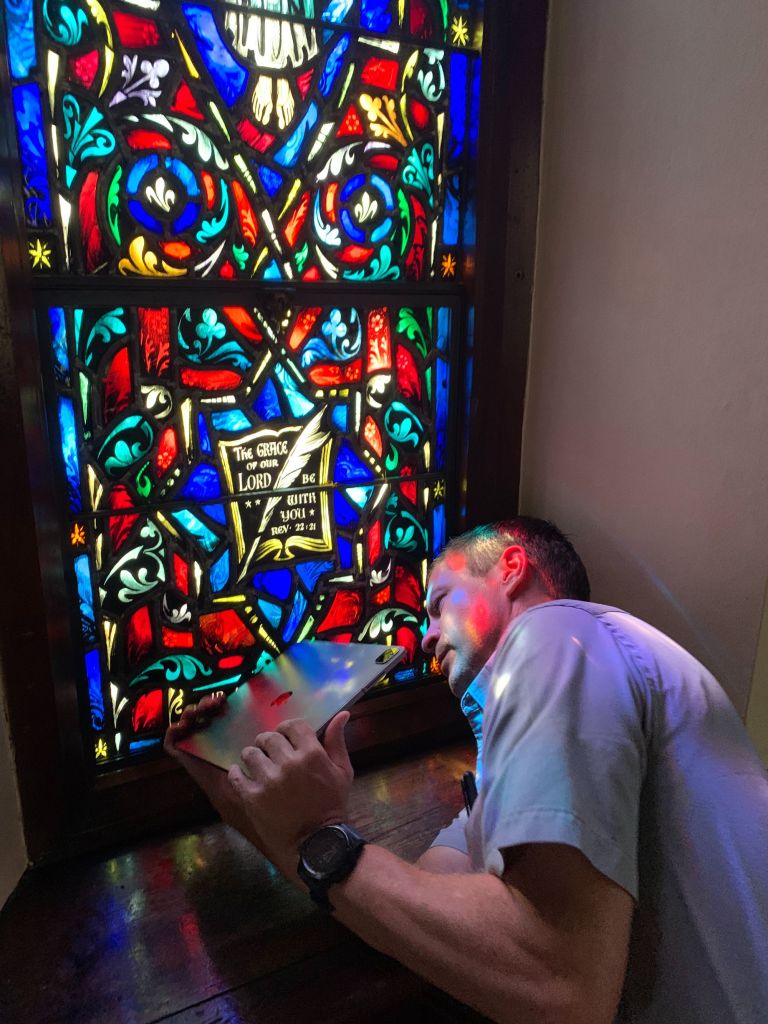
A proper stained glass window inspection involves examining both the artistic and structural integrity of the window. Here’s a checklist highlighting what professionals focus on during inspections:
1. Structural Health
- Sagging Lead Cames: Over time, the lead framework holding the glass together may weaken, causing the panels to bulge or sag.
- Cracks and Breakage: Cracked or chipped glass threatens both aesthetics and stability.
- Missing or Poor Support: Look for signs of failing rebar or other support structures designed to keep the windows in place.
2. Environmental Damage
- Weathering: Acid rain and moisture can corrode lead and stain glass surfaces over time.
- UV Damage: Continual exposure to sunlight may fade pigments in traditional glass painting.
- Temperature Effects: Temperature changes can expand or contract materials, leading to stress fractures.
3. Signs of Aging and Wear
- Oxidation and Corrosion: Rusty supports or deteriorating framing are common in older installations.
- Loose Putty or Sealant: Worn-out putty compromises the weatherproof seal of the window.
- Dust and Grime Accumulation: Layers of dirt can obscure the brilliance of the stained glass and lead to overheating.
Tools and Techniques for Professional Inspections
While a cursory visual stained glass window inspection can reveal obvious issues such as cracks or sagging, comprehensive assessments require professional tools and methods.

Common Tools Professionals Use
- Magnifying Glasses & Scopes: For identifying microfractures and surface-level imperfections.
- Light Meters: To measure how much light passes through the window, identifying dim or obstructed sections.
- Infrared Thermometers: These track temperature changes in the glass that may indicate structural stress.
- Moisture Meters: Used to locate areas where water infiltration may be occurring.
The Process
- External Visual Examination: Assess the exterior framework for weather-related damage and visible corrosion.
- Interior Inspection: Look for signs of sagging, discoloration, and light diffusion anomalies.
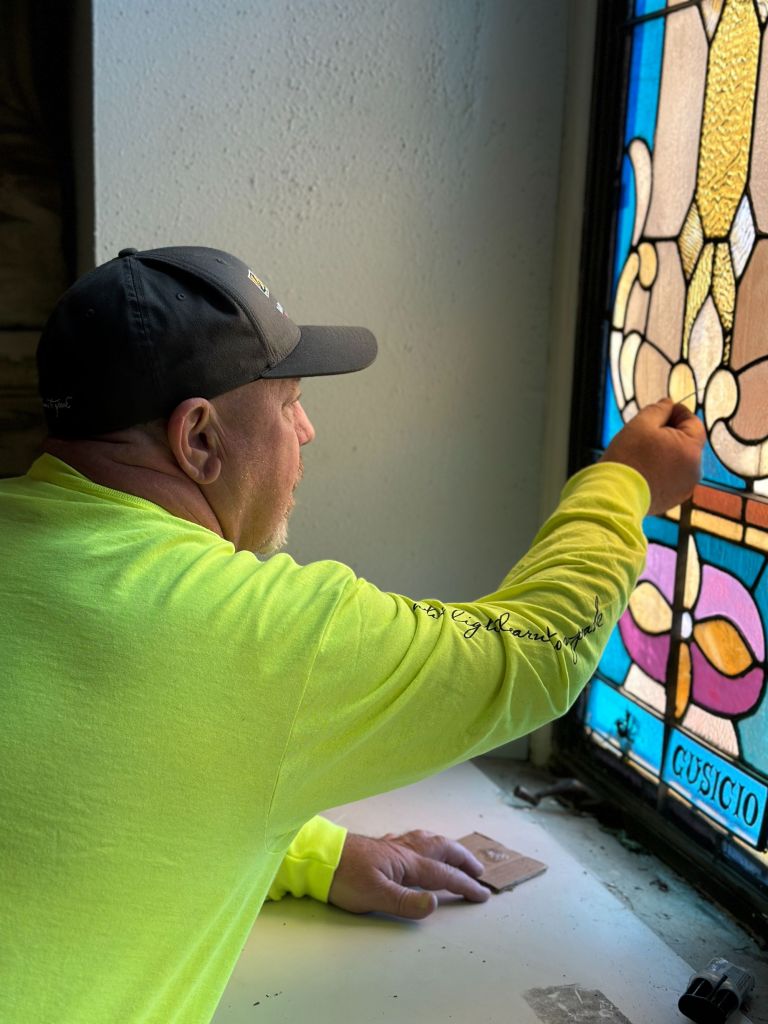
- Touchpoint Testing: Professionals gently test structural integrity with non-invasive techniques.
- Comprehensive Reporting: After inspection, professionals provide detailed reports, including high-resolution photographs, diagrams, and repair recommendations.
The Role of Experts in Preservation
Even the most enthusiastic DIYer needs to know when to call in a seasoned professional. Stained glass restoration is a delicate craft combining history, artistry, and engineering.
The value of expert intervention includes:
- Historical Accuracy: Restoration specialists, such as the team at Willet Stained Glass Studios, ensure that repairs honor the original artistry, sourcing materials consistent with the era of construction.
- Standardized Protocols: Professionals follow rigorous protocols tailored to stained glass, ensuring no detail is overlooked.
- Preservation vs. Replacement: Experts focus on conserving as much of the original work as possible, offering solutions that balance authenticity and modern standards.
Willet Stained Glass Studios, with more than 125 years of experience and service to 36,000+ buildings, exemplifies the craftsmanship and professionalism needed for these projects. Our dedication to quality, backed by a 10-year warranty, guarantees lasting results.
Why Early Action Is Critical
Failing to inspect and address issues early can lead to:
- Escalating repair costs.
- Permanently lost historical detailing.
- Structural damage to the property.
However, proactive stained glass window inspections and restoration provide long-lasting benefits, including:
- Enhanced beauty and illumination.
- Protection against future damage.
- Preservation of historical and financial value.
Request Your Free Stained Glass Window Inspection Today
Entrusting your stained glass windows to experts ensures their protection for generations to come. Willet Stained Glass Studios offers free inspections and appraisals as part of our endless commitment to quality craftsmanship and service.
Whether it’s identifying early warnings or crafting a full restoration plan, our knowledgeable team will partner with you to preserve the captivating beauty of your stained glass windows.
Take the first step. Request your free stained glass window inspection and breathe new life into your treasured works of art.