Creating Custom Memorial & Donor Stained Glass
Memorial and donor stained glass commissions serve as powerful symbols of remembrance and gratitude, capturing the essence of contributions made by individuals or groups. These unique art pieces not only enhance the aesthetic of churches and institutions but also provide a lasting tribute to those being honored. In this article, we will explore the intricacies of designing and fabricating custom stained glass memorials, the significance of donor windows, and the best practices for commissioning and installing these remarkable works of art. By understanding the process and the symbolic motifs commonly used, organizations can effectively integrate these pieces into their fundraising and donor recognition strategies. We will also delve into notable case studies and emerging trends in the field, providing a comprehensive overview of the current landscape of memorial and donor stained glass art.
What Defines Memorial and Donor Stained Glass Windows?
Memorial and donor stained glass windows are artistic expressions that commemorate individuals or groups, often found in places of worship or public institutions. These windows serve not only as decorative elements but also as meaningful tributes that reflect the values and history of the community. The cultural significance of these windows lies in their ability to tell stories and preserve memories through intricate designs and vibrant colors.
How Do Donor Windows Commemorate Contributions in Churches and Institutions?
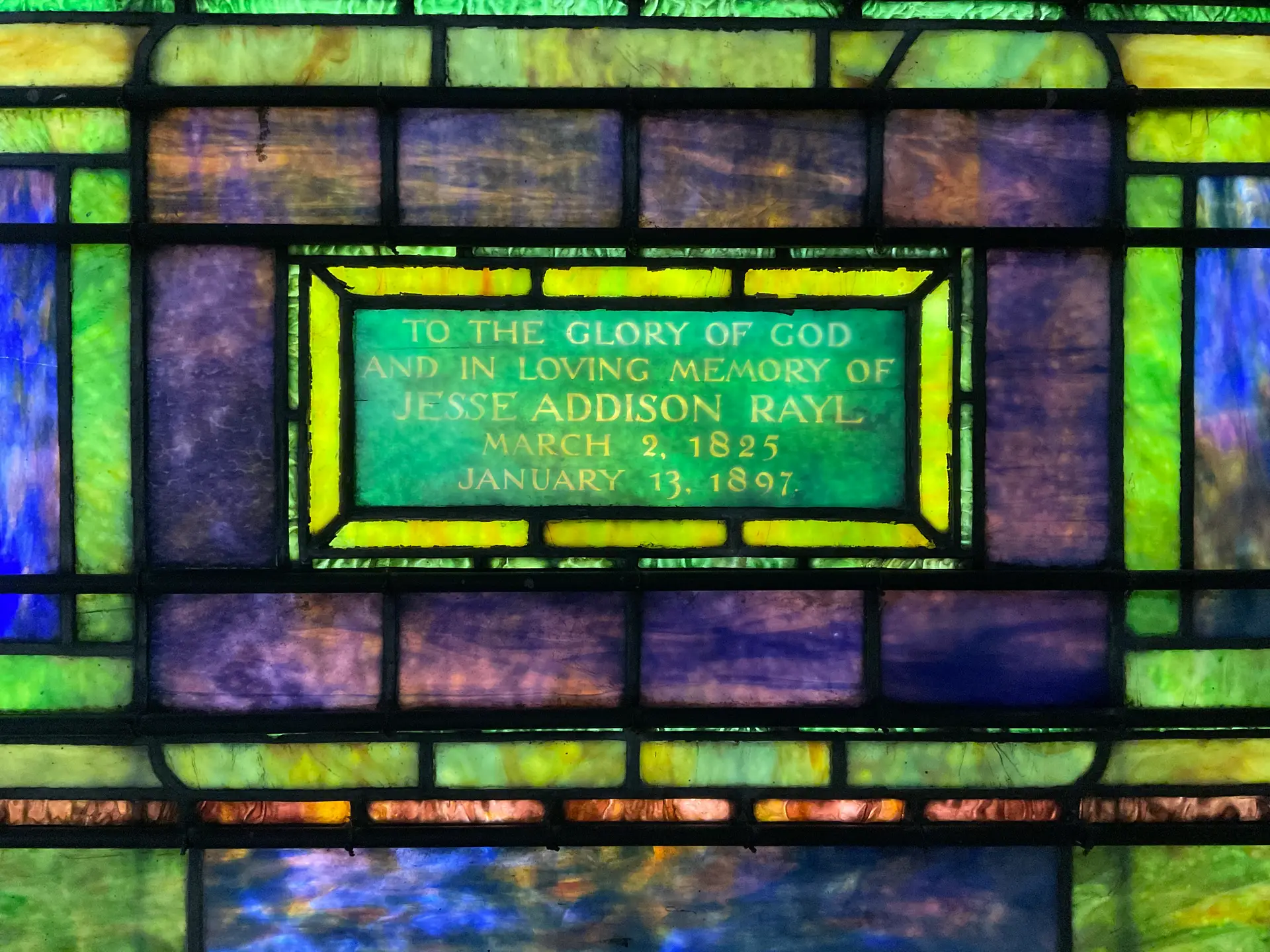
Donor windows play a crucial role in recognizing contributions made by individuals or families to churches and institutions. For instance, many churches feature donor windows that highlight the names of benefactors, creating a visual legacy that honors their generosity. These windows often serve as focal points within the space, inviting reflection and appreciation from visitors. Historical examples include the stained glass windows in cathedrals that commemorate significant donors, showcasing their contributions to the community’s spiritual and cultural heritage.
What Symbolic Motifs Are Commonly Used in Memorial Stained Glass Art?
Common symbolic motifs in memorial stained glass art include doves, crosses, and floral designs, each carrying deep meanings. Doves often symbolize peace and the soul’s ascent, while crosses represent faith and redemption. Floral motifs, such as lilies and roses, can signify purity and love, respectively. These symbols are carefully chosen to resonate with the individual being commemorated, ensuring that the artwork reflects their life and legacy.
How Is Custom Stained Glass Memorial Art Designed and Fabricated?
The design and fabrication of custom stained glass memorial art involve a meticulous process that combines artistic vision with technical skill. Artists collaborate with clients to create designs that encapsulate the desired themes and motifs, ensuring that the final product is both aesthetically pleasing and meaningful.
What Are the Key Steps in the Memorial Stained Glass Fabrication Process?
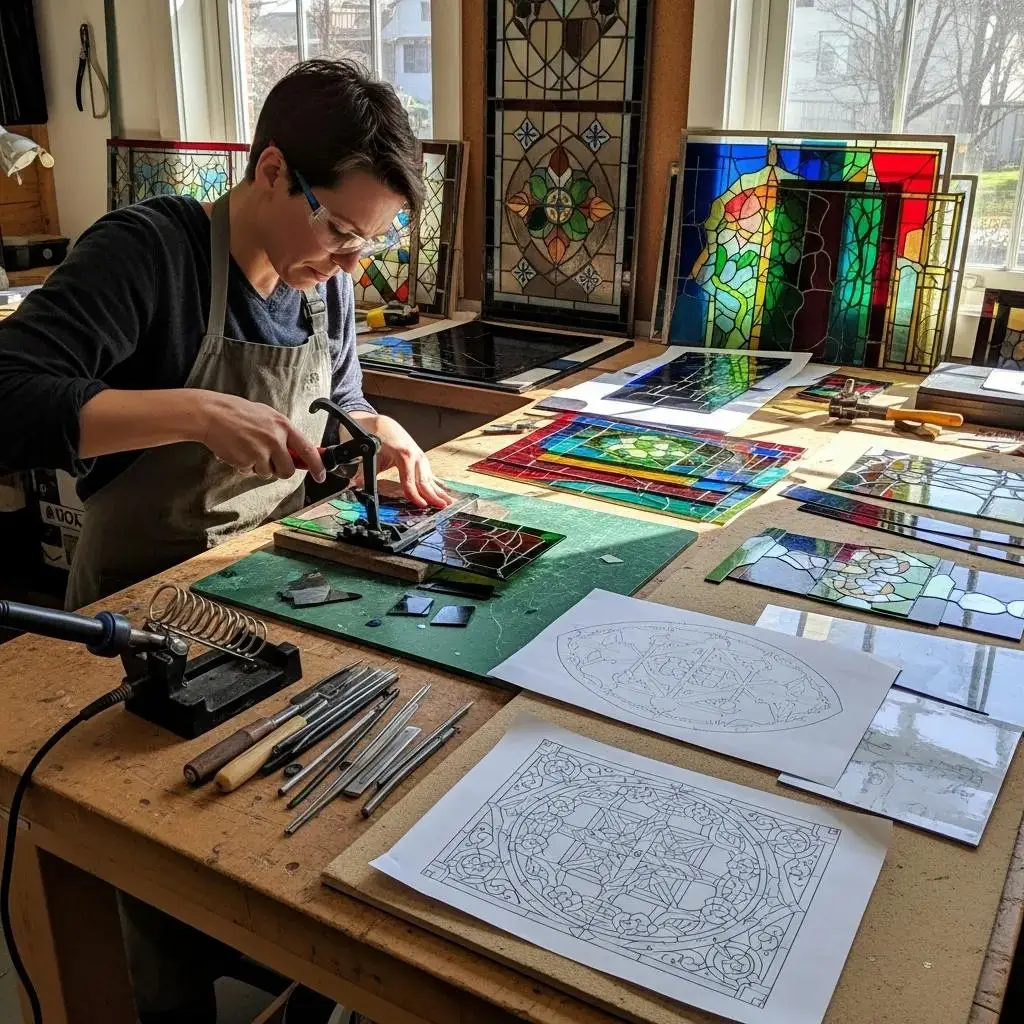
The fabrication process for memorial stained glass typically includes several key steps:
- Design Development: Artists create initial sketches based on client input, incorporating symbolic elements and color schemes.
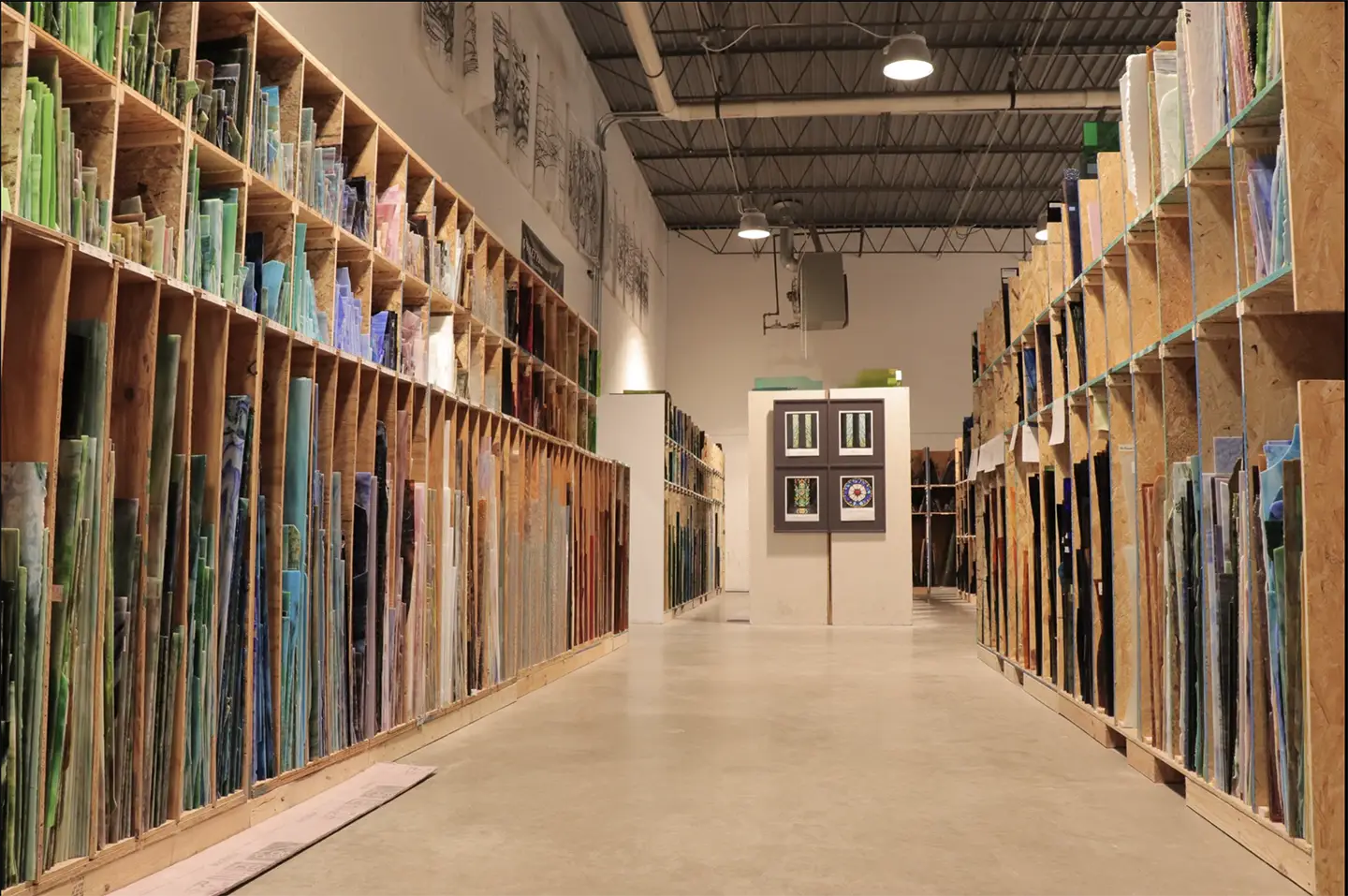
- Material Selection: High-quality glass is chosen for its color and texture, ensuring durability and visual impact.
- Cutting and Assembly: Glass pieces are cut to fit the design and assembled using lead came or copper foil techniques.
- Firing: The assembled glass is fired in a kiln to set the paints and ensure longevity.
- Installation: Finally, the completed window is installed in its designated location, often requiring specialized techniques to ensure stability and safety.
Which Materials and Techniques Ensure Enduring Quality and Craftsmanship?
To ensure enduring quality and craftsmanship, stained glass artists utilize a variety of materials and techniques. The choice of glass is critical; artists often select hand-blown or mouth-blown glass for its unique textures and colors. Additionally, the use of UV-resistant paints and protective coatings can enhance the longevity of the artwork. Techniques such as lead came construction provide structural integrity, while modern advancements in glass technology allow for innovative designs that maintain traditional aesthetics.
What Is the Process for Commissioning and Installing Commemorative Stained Glass Panels?
Commissioning commemorative stained glass panels involves a collaborative process between clients and artists, ensuring that the final product aligns with the client’s vision and the intended message of the artwork. This partnership is essential for creating pieces that resonate with the community and honor the individuals being commemorated.
How Do Clients Collaborate with Stained Glass Artists to Realize Their Vision?
Clients typically begin by discussing their ideas and preferences with stained glass artists, who then translate these concepts into visual designs. This collaboration may involve multiple revisions to ensure that the artwork meets the client’s expectations. Successful collaborations often include detailed discussions about symbolic elements, color choices, and the overall narrative the window should convey.
What Are the Best Practices for Installation and Long-Term Maintenance?
Best practices for the installation and long-term maintenance of stained glass panels include:
- Professional Installation: Engaging experienced professionals ensures that the panels are securely mounted and protected from environmental factors.
- Regular Inspections: Periodic checks can identify any potential issues, such as cracks or deterioration, allowing for timely repairs.
- Cleaning Protocols: Using appropriate cleaning methods and materials helps maintain the glass’s clarity and vibrancy without causing damage.
How Do Fundraising and Donor Recognition Strategies Integrate with Stained Glass Commissions?
Integrating stained glass commissions into fundraising and donor recognition strategies can enhance community engagement and support. By showcasing donor contributions through these artistic pieces, organizations can create a lasting legacy that encourages further giving.
What Methods Effectively Incorporate Donor Names and Contributions into Glass Art?
Incorporating donor names and contributions into stained glass art can be achieved through various methods, such as engraving names directly onto the glass or creating dedicated panels that highlight donor contributions. This approach not only honors the donors but also serves as a visual reminder of their impact on the community.
How Can Organizations Leverage Memorial Glass Art for Successful Fundraising?
Organizations can leverage memorial glass art for successful fundraising by hosting events that celebrate the unveiling of new installations. These events can attract community members and potential donors, fostering a sense of connection and shared purpose. Additionally, marketing campaigns that highlight the significance of the artwork can inspire further contributions and support for ongoing projects.
What Are Notable Case Studies and Trends in Memorial and Donor Stained Glass Art?
Recent case studies in memorial and donor stained glass art showcase innovative designs and community engagement strategies. These examples highlight how organizations are using stained glass to tell compelling stories and honor significant contributions.
Which Recent Commissions Exemplify Excellence in Design and Symbolism?
Recent commissions, such as the stained glass windows at the National Cathedral in Washington, D.C., exemplify excellence in design and symbolism. These windows feature intricate designs that reflect the history and values of the nation, serving as a testament to the contributions of various individuals and groups throughout history.
What Innovations Are Emerging in Sustainable Materials and Digital Design Integration?
Emerging trends in stained glass art include the use of sustainable materials and digital design integration. Artists are increasingly exploring eco-friendly glass options and utilizing digital tools to create precise designs that can be easily modified and adapted. This innovation not only enhances the artistic process but also aligns with contemporary values of sustainability and environmental responsibility.
This table illustrates the various materials used in stained glass fabrication, highlighting their unique benefits and contributions to the overall quality of the artwork.