Stained Glass: Materials, Types & the Art of Colored Glass
By Amanda Steine, Willet Stained Glass Studios
Stained glass is a captivating art form that combines color, light, and craftsmanship to create stunning visual experiences. This comprehensive guide will delve into the materials, types, and artistic significance of stained glass, providing insights into its historical context and modern applications. Readers will learn about the intricate processes involved in creating stained glass artworks, the various materials used, and the different styles that have emerged over time. As many individuals seek to appreciate or incorporate stained glass into their spaces, understanding its value and craftsmanship becomes essential. This article will explore the definition of stained glass, the materials that make it, the types available, and the art of colored glass, culminating in a discussion on preservation and restoration.
Comprehensive Guide on Stained Glass
Stained glass is a decorative art that involves the use of colored glass to create intricate designs and images, often found in windows, doors, and other architectural elements. This art form has a rich history, dating back to ancient civilizations, where it was used to enhance the beauty of religious and public buildings. The interplay of light and color in stained glass not only serves an aesthetic purpose but also conveys spiritual and cultural narratives. Understanding stained glass requires an appreciation of its historical significance and the craftsmanship involved in its creation.
What is Stained Glass?
Stained glass refers to glass that has been colored or painted to create artistic designs, typically used in windows and other architectural features. The process of making stained glass involves adding metallic oxides to the glass during production, resulting in a wide range of colors. This glass is then cut into pieces and assembled using lead came or copper foil, allowing for intricate designs that can tell stories or depict scenes. The beauty of stained glass lies in its ability to transform light into vibrant colors, creating a dynamic visual experience that changes throughout the day.
Materials Used in Stained Glass
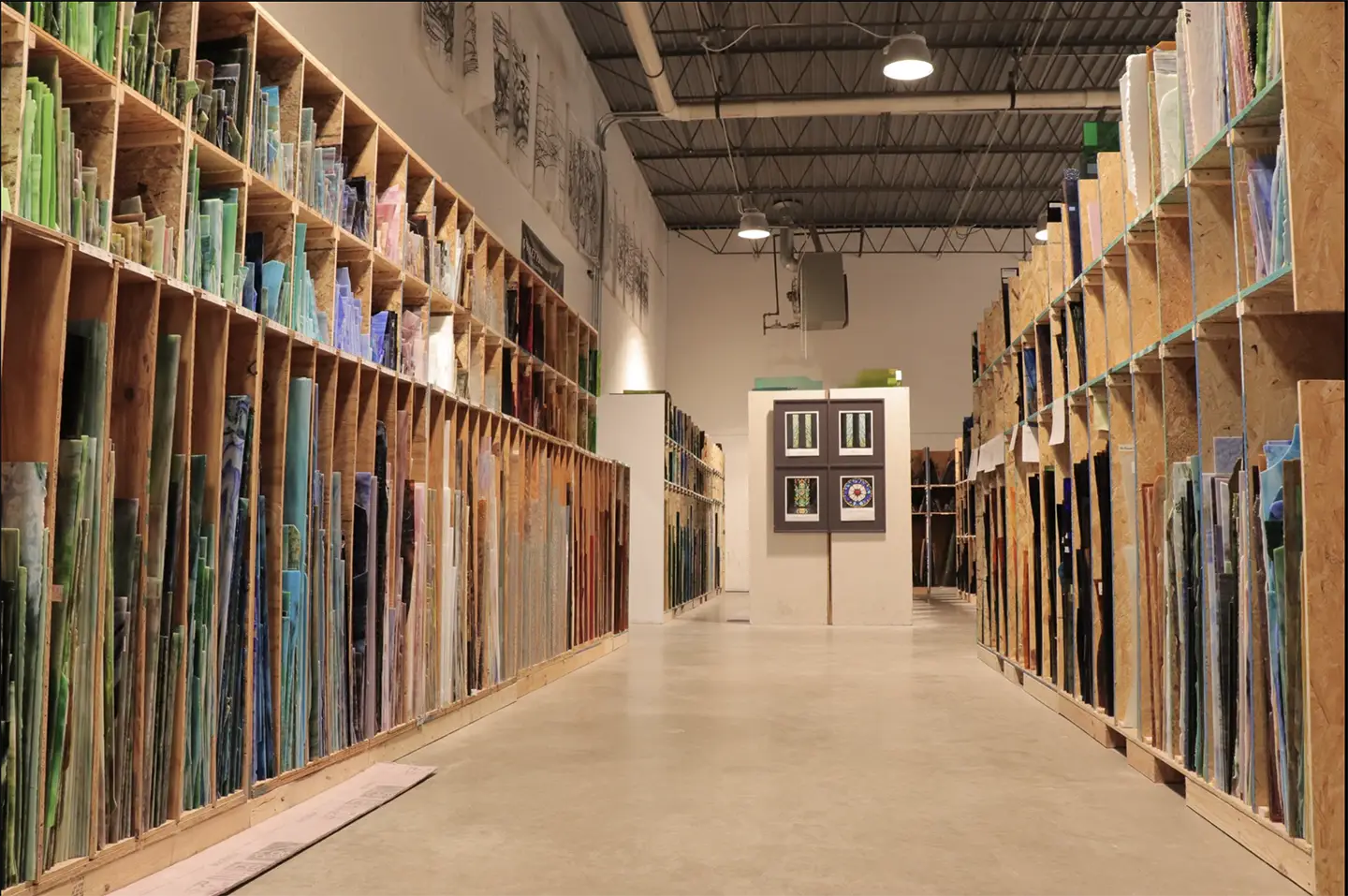
The creation of stained glass involves several key materials that contribute to its beauty and durability. Understanding these materials is essential for appreciating the craftsmanship behind stained glass artworks.
These materials work together to create the stunning visual effects that stained glass is known for, making each piece unique.
Types of Stained Glass
Stained glass comes in various styles and types, each with its own characteristics and applications. Understanding these types can help individuals appreciate the diversity of stained glass art.
- Leaded Stained Glass: This traditional method uses lead came to hold the glass pieces together, allowing for larger and more complex designs. It is commonly found in churches and historical buildings.
- Painted Stained Glass: In this technique, glass is painted with special glass paints and then fired in a kiln to fuse the paint to the glass. This method allows for detailed imagery and is often used for narrative scenes.
- Faceted Glass: This type involves cutting glass into geometric shapes, which are then assembled to create a three-dimensional effect. Faceted glass is often used in modern designs and can create striking visual impacts.
Each type of stained glass offers unique aesthetic qualities and can be used in various architectural contexts.
The Art of Colored Glass
Colored glass is a fundamental component of stained glass art, and its creation involves a fascinating process. The colors in stained glass are achieved by adding metallic oxides during the glass-making process. For example, cobalt oxide produces blue glass, while iron oxide can create green or amber hues. The stability of these colors is crucial, as they must withstand exposure to sunlight and environmental factors over time.
The art of colored glass also involves understanding how light interacts with the glass. When sunlight passes through stained glass, it creates a vibrant display of colors that can change throughout the day. This dynamic quality is one of the reasons stained glass is so cherished in architectural design.
Preservation and Restoration
Preserving and restoring stained glass is essential to maintain its beauty and historical significance. Over time, stained glass can suffer from damage due to environmental factors, such as weathering, pollution, and physical wear. Common issues include cracked glass, deteriorating lead came, and fading colors.
Restoration techniques involve careful cleaning, repairing, and sometimes replacing damaged pieces. It is crucial to maintain historical accuracy during restoration, ensuring that the original design and materials are respected. Professional restoration services, such as those offered by Willet Stained Glass Studios, specialize in the careful restoration of stained glass artworks, ensuring their longevity for future generations.
Willet Stained Glass Studios is a specialized artisan company focused on the design, fabrication, and restoration of stained glass artworks. Their expertise aligns directly with the topic of stained glass, providing comprehensive services that include custom stained glass creation and historical restoration projects.
What Defines Stained Glass and Its Historical Significance?
Origins and Historical Significance:
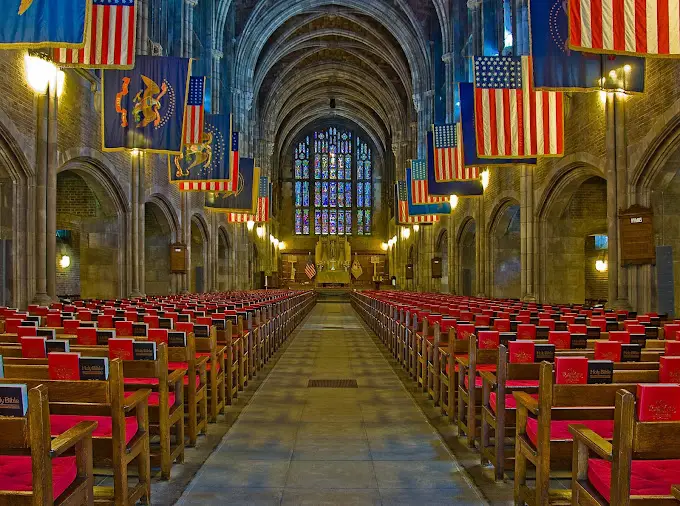
Stained glass has its roots in ancient civilizations, where it was used in religious and public buildings to convey stories and enhance the spiritual experience. The use of colored glass in architecture became prominent during the Gothic period, with cathedrals featuring large stained glass windows that depicted biblical narratives. This historical significance highlights the cultural and artistic value of stained glass as a medium for storytelling and expression.
Research further emphasizes the historical importance of stained glass, particularly its flourishing period and the chemical processes behind its vibrant colors.
Medieval Stained Glass: Colorants, Materials & Historical Significance
Stained glass windows are an important element in both religious and civil architecture. Stained glass windows are fascinating art crafts because they are multifunctional, e.g., mainly acting as filters for light and as iconographic supports. The art of stained flourished in the time period of 1100 and 1500, when magnificent windows were created for great cathedrals. The stained glass windows were the major pictorial art form in northern France, Germany and England during the flourishing period. It is known that there are the relationship between color and colorants. The colors in the stained glass are attributed to different chemical compounds that were added to the molten glass during processing. The addition of metallic oxides called pot-metal glass changed the color of the windows-gold for red, copper for green, cobalt for blue and soon.
A Research on the Relationship between Chemical Composition of Nanoparticles and the Color of Medieval Stained Glass, 2014
Cultural Impact:
The cultural impact of stained glass extends beyond its aesthetic appeal. It has played a vital role in religious practices, serving as a visual representation of faith and spirituality. Additionally, stained glass has influenced various art movements, inspiring artists and craftsmen to explore new techniques and styles throughout history.
Evolution Over Time:
Over the centuries, stained glass has evolved in both technique and design. From the intricate medieval designs to the bold, abstract forms of modern stained glass, the art form continues to adapt and inspire. Contemporary artists often experiment with new materials and methods, pushing the boundaries of traditional stained glass art.
Why Is Stained Glass Valued in Religious and Historical Contexts?
Stained glass is highly valued in religious and historical contexts for its ability to convey complex narratives and evoke emotional responses. The interplay of light and color creates a spiritual atmosphere, enhancing the experience of worship and reflection. Additionally, stained glass windows often serve as historical artifacts, preserving the artistic styles and cultural values of the time in which they were created.
Which Materials Are Essential in Creating Stained Glass Artworks?
The essential materials for creating stained glass artworks include colored glass, lead came, and copper foil. Each material plays a crucial role in the overall design and structural integrity of the piece. Understanding these materials is vital for both artists and collectors, as they directly impact the quality and longevity of the artwork.
What Are the Characteristics of Colored Glass Types?
Colored glass types vary in their properties, including transparency, opacity, and color stability. Some types of glass are more suitable for specific applications, such as decorative windows or artistic installations. Knowledge of these characteristics helps artists choose the right materials for their projects.
How Do Lead Came and Copper Foil Contribute to Stained Glass Fabrication?
Lead came and copper foil are essential components in stained glass fabrication. Lead came provides structural support and allows for larger designs, while copper foil offers flexibility for intricate patterns. Understanding the advantages of each method is crucial for artists when deciding on their approach to stained glass creation.
What Are the Primary Types and Styles of Stained Glass?
The primary types and styles of stained glass include leaded stained glass, painted stained glass, and faceted glass. Each style has its unique characteristics and applications, allowing artists to express their creativity in various ways. Familiarity with these styles enables collectors and enthusiasts to appreciate the diversity of stained glass art.
How Is the Stained Glass Fabrication Process Executed with Expertise?
The stained glass fabrication process involves several key steps, including design, cutting, painting, firing, and assembly. Each step requires a high level of skill and attention to detail, ensuring that the final piece meets the artist’s vision. Understanding this process is essential for anyone interested in stained glass art.
What Are the Key Steps in Cutting, Painting, Firing, and Assembly?
- Design: Creating a detailed plan for the artwork, including colors and shapes.
- Cutting: Carefully cutting the glass pieces according to the design.
- Painting: Applying glass paints to add details and enhance colors.
- Firing: Firing the painted glass in a kiln to set the paint.
- Assembly: Assembling the glass pieces using lead came or copper foil.
These steps highlight the intricate craftsmanship involved in creating stained glass artworks.
How Do Traditional and Modern Techniques Enhance Craftsmanship?
Traditional techniques, such as lead came construction, provide a historical context for stained glass art, while modern techniques, like copper foil application, offer new possibilities for design and flexibility. The combination of these methods allows artists to create unique pieces that reflect both historical significance and contemporary innovation.
What Does Expert Stained Glass Restoration Entail?
Expert stained glass restoration involves a thorough assessment of the artwork’s condition, followed by careful cleaning, repair, and replacement of damaged pieces. Restoration specialists must have a deep understanding of historical techniques and materials to ensure that the integrity of the original artwork is maintained.
How Are Cleaning, Repair, and Releading Performed in Restoration?
Cleaning stained glass involves using gentle methods to remove dirt and grime without damaging the glass or paint. Repairs may include replacing cracked or missing pieces, while releading involves replacing deteriorated lead came to restore structural integrity. These processes require a high level of skill and knowledge to ensure the artwork is preserved for future generations.
What Case Studies Demonstrate Successful Historical Preservation?
Successful historical preservation of stained glass can be seen in various case studies, where expert restoration has revitalized significant artworks. These projects often involve collaboration between artists, historians, and preservationists to ensure that the original intent and craftsmanship are respected.
How Does Collaboration Enhance Custom Stained Glass Projects?
Collaboration between artists, architects, and clients is essential for creating custom stained glass projects. This teamwork ensures that the final design aligns with the client’s vision while incorporating artistic expertise. Effective communication and collaboration lead to successful outcomes that enhance the overall aesthetic of the space.
Why Is Working with Architects and Clients Vital for Design Realization?
Working closely with architects and clients is vital for the realization of stained glass designs. Architects provide insights into the architectural context, while clients offer personal preferences and requirements. This collaboration ensures that the stained glass integrates seamlessly into the overall design of the space.
How Does Willet Stained Glass Studios Ensure Quality and Authenticity?
Willet Stained Glass Studios ensures quality and authenticity through meticulous craftsmanship and a commitment to historical accuracy. Their expertise in both contemporary and traditional techniques allows them to create stunning stained glass artworks that resonate with clients and enhance architectural spaces. By prioritizing quality and authenticity, Willet Stained Glass Studios continues to uphold the rich tradition of stained glass artistry.