Technical Support for Architects and Contractors: Expert Guidance on Stained Glass Design and Integration
By Amanda Steine, Willet Stained Glass Studios
Stained glass combines artistic expression with functional performance in architecture. This article summarizes the technical support Willet Stained Glass Studios provides to architects and contractors: concise best practices, design and installation guidance, the fabrication workflow, and coordination methods to protect quality and longevity.
Best Practices
Successful stained glass projects depend on clear, structured collaboration and timely consultation.
- Collaboration with Artisans and Clients: Early engagement of artisans aligns creative vision with technical feasibility.
- Structured Consultation Process: Defined communication and approval steps reduce misunderstandings and delays.
- Material Selection and Artisanal Techniques: Choose materials and methods that deliver the intended aesthetic and durability.
Willet Stained Glass Studios endorses these practices to improve outcomes and maintain professional delivery standards.
Design Considerations
Integrating stained glass into a building requires attention to form, function and context; these factors shape technical planning and detailing.
- Architectural Integration: Design stained glass to complement the building’s form and proportion.
- Durability and Environmental Factors: Specify glass, cames, and protective measures suited to site exposure.
- Symbolism and Aesthetics: Ensure the visual program supports the project’s narrative or theme.
Careful consideration of these factors helps ensure lasting aesthetic value and reliable performance.
Installation Techniques
Installation requires precise coordination, tested methods, and readiness for site conditions; following established procedures reduces risk and rework.
- Professional Coordination with Contractors: Align schedules, access, and on-site responsibilities before work begins.
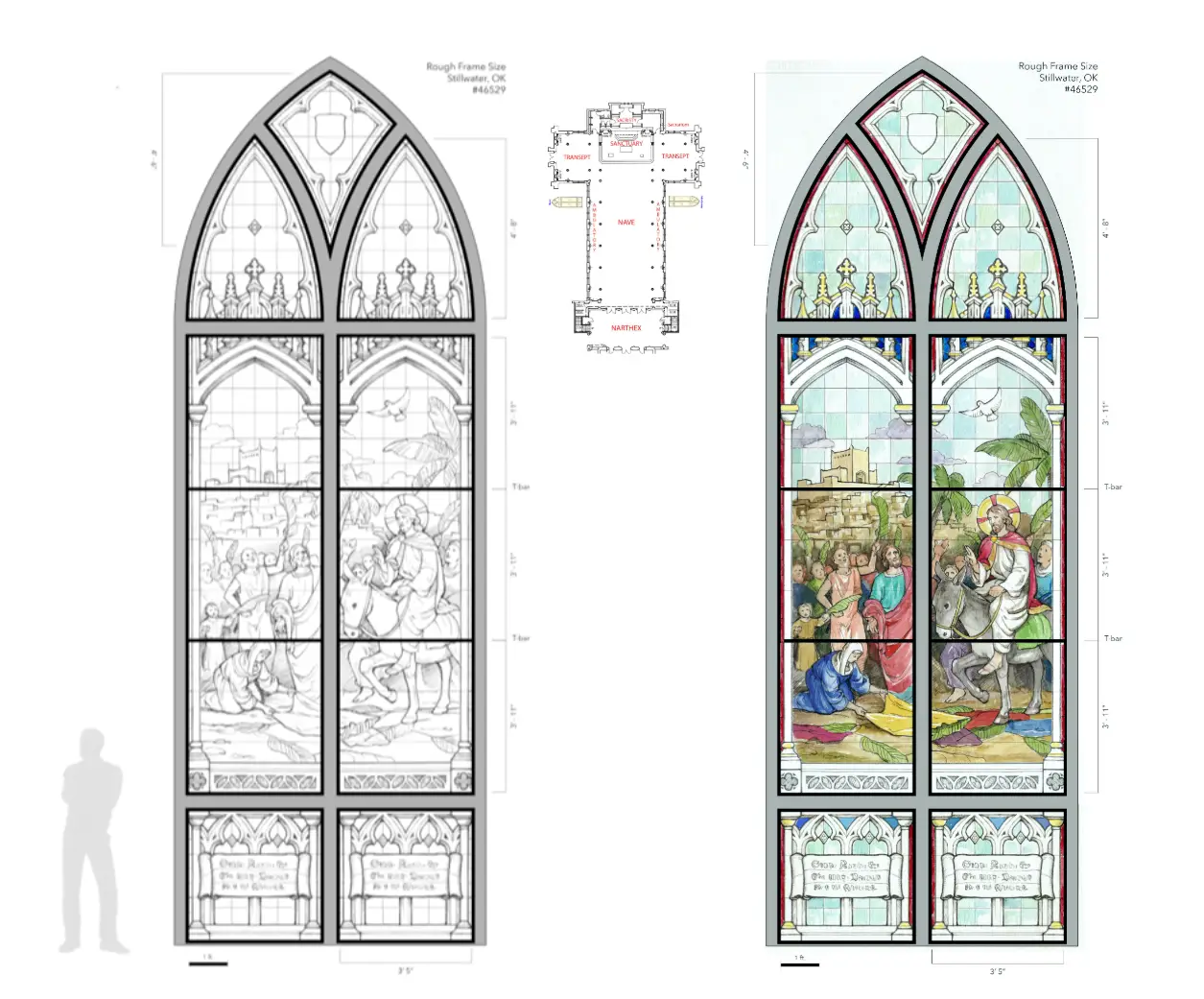
- Mockups and Samples for Client Approval: Use mockups to confirm color, scale and detail with stakeholders.
- On-Site Adjustments and Protective Measures: Plan for minor adjustments and protect glazed work during construction.
Willet Stained Glass Studios applies field-proven standards to deliver installations that meet specifications and care requirements.
What Are the Essential Stained Glass Design Guidelines for Architectural Projects?
Successful integration follows a clear sequence that defines scope, technical constraints and approval milestones.
- Initial Consultation and On-Site Assessment: Document site conditions, light, and interfaces early in the process.
- Concept Development and Design Approval: Iterate with clients until design and materials are confirmed.
- Technical Planning and Installation: Produce installation details, tolerances, and protection measures prior to fabrication.
How Do Architects Specify Stained Glass for New Construction?
Specifications translate design intent into measurable requirements for materials, performance and installation.
- Initial Consultation: Capture artistic goals, budget and timeline constraints.
- On-Site Assessment: Record orientation, lighting, structural supports and mounting conditions.
- Technical Planning: Define materials, dimensions, edge details and installation sequence.
Structured specifications align aesthetic objectives with construction realities and performance criteria.
Which Materials and Techniques Ensure Enduring Quality in Stained Glass?
Durability rests on selecting appropriate glass types, metalwork and conservation-minded techniques.
- Material Selection: Specify quality glass, compatible cames and framing suitable for the environment.
- Traditional Handcrafting Techniques: Use proven artisanal methods where authenticity and longevity are priorities.
- Protective Measures: Include external protection or coatings when exposure demands additional safeguards.
When materials and methods are chosen with durability and conservation in mind, stained glass performs well over time.
How Does Willet Studios Facilitate Custom Stained Glass Fabrication?
Willet Stained Glass Studios manages custom fabrication with tailored design, controlled production and quality assurance at each stage.
What Are the Key Steps in the Fabrication Process for Architectural Stained Glass?
The fabrication workflow is staged to maintain control from material selection through final inspection.
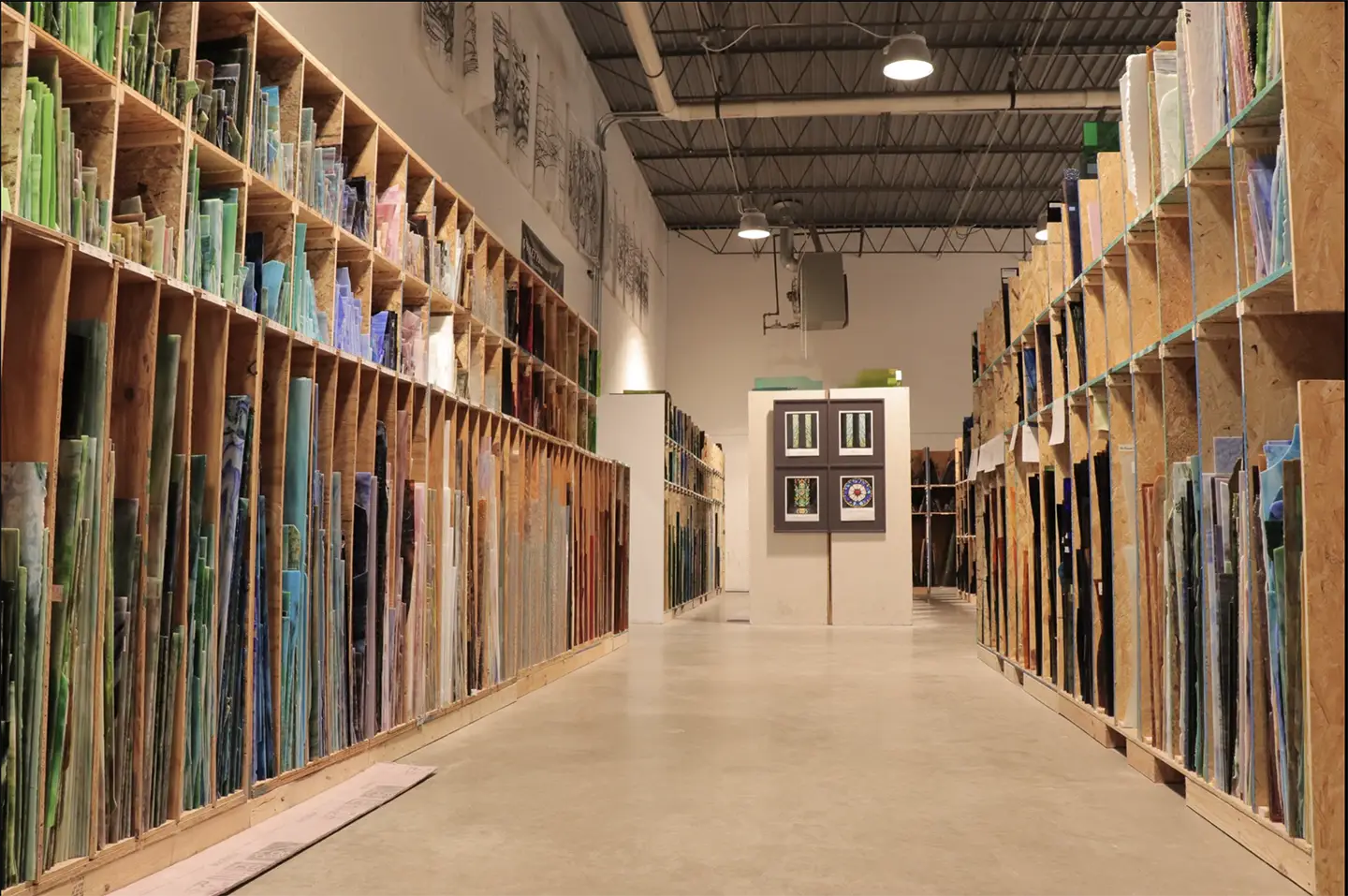
- Material Selection and Preparation: Source and prepare glass and supporting materials to specification.
- Craftsmanship and Quality Control: Skilled artisans assemble panels with documented quality checks.
- Final Installation and Inspection: Inspect panels prior to shipment and again at installation for conformity.
This phased approach secures the technical and aesthetic standards expected of architectural stained glass.
How Is Collaboration Managed Between Willet Studios, Architects, and Contractors?
Collaboration depends on regular communication, structured feedback and clear documentation to align decisions and actions.
- Regular Meetings and Updates: Schedule coordination checkpoints to monitor progress and issues.
- Feedback Loops and Adjustments: Capture and respond to stakeholder feedback during design and production.
- Documentation and Transparency: Maintain records of specifications, revisions and approvals to avoid disputes.
Willet Stained Glass Studios emphasizes collaborative management to protect schedule and quality expectations.
What Best Practices Guide Construction Coordination for Stained Glass Installation?
Construction coordination relies on clear timelines, stakeholder engagement and accurate measurements to reduce delays and rework.
- Defined Project Timelines: Set milestones for design approvals, fabrication and site installation.
- Collaboration with Stakeholders: Engage clients, contractors and trades early to resolve interfaces.
- On-Site Measurements and Mockups: Verify dimensions and mockups before final fabrication to prevent errors.
Following these practices streamlines installation and supports predictable delivery.
How Are Installation Timelines Integrated with Overall Construction Schedules?
Integrate glazing milestones with the broader schedule and include contingency allowances for site delays.
- Coordination with Contractors: Sequence work to avoid conflicts with adjacent trades and access restrictions.
- Adjustments for Delays: Build flexibility into delivery and installation windows.
- Communication Strategies: Notify stakeholders promptly of changes to maintain alignment.
Proper integration helps maintain momentum and supports on-time completion of glazing and adjacent work.
What Tools and Checklists Enhance Coordination Between Stakeholders?
Standardized tools and checklists help manage information and responsibilities across project teams.
- Project Management Software: Use shared platforms to assign tasks and track progress.
- Installation Checklists: Employ step-by-step checklists to ensure consistent field execution.
- Documentation Templates: Use templates for RFIs, submittals and handover records to improve clarity.
These resources increase accountability and reduce miscommunication among stakeholders.
How Is the Stained Glass Restoration Process Managed for Historical and Religious Buildings?

Restoration in historic and religious contexts requires specialist assessment, conservation practice and respect for original fabric and intent.
- Initial Assessment and Documentation: Record condition, damages and original construction methods before intervention.
- Cleaning and Repairing Glass: Use minimally invasive cleaning and repair techniques to retain original material where possible.
- Reinstallation and Ongoing Support: Reinstall conservatively and provide maintenance guidance for long-term care.
Willet Stained Glass Studios applies conservation-minded methods to preserve artistry while improving durability.
What Techniques Ensure Authenticity and Preservation in Restoration Projects?
Authentic restoration requires matching original materials and using period-appropriate techniques with meticulous records.
- Material Sourcing: Source historically appropriate glass and components to match originals.
- Traditional Techniques: Apply conservation techniques that reflect original craftsmanship and materials.
- Documentation and Transparency: Keep detailed records of treatments and decisions for future reference.
These measures help safeguard historical integrity and cultural value.
How Does Technical Support Address Challenges Unique to Restoration?
Technical support supplies specialist assessment, sourcing expertise and long-term preservation planning for complex restoration projects.
- Assessment and Evaluation: Conduct thorough condition surveys to identify priority interventions.
- Material Sourcing and Techniques: Advise on compatible materials and conservative repair methods.
- Long-Term Preservation Strategies: Develop maintenance plans to protect restored fabric going forward.
Willet Stained Glass Studios provides comprehensive technical support to resolve restoration challenges while preserving original character.