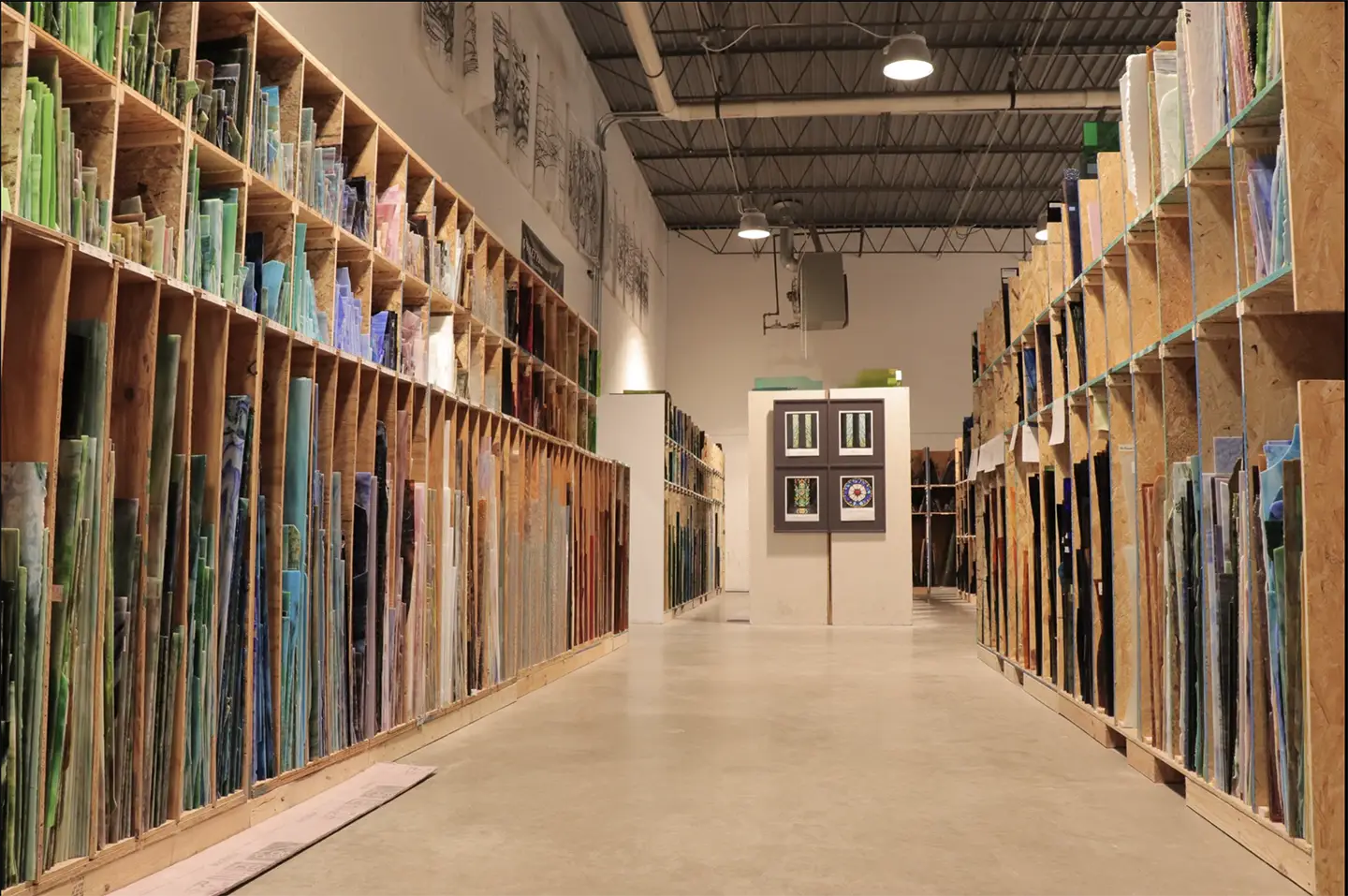

Comprehensive Structural Reinforcement and Reinstallation Services for Stained Glass Restoration
By Amanda Steine, Willet Stained Glass Studios
Stained glass windows are artistic works and integral elements of the built environment. Restoring them demands specialised skills and established techniques to secure appearance and structural soundness. This article outlines the scope of structural reinforcement and reinstallation services, describes established practices and procedural steps, and stresses the value of multidisciplinary collaboration. Readers gain a clear understanding of restoration techniques, material selection, and the role of structural assessment, enabling an informed appreciation of the craft and engineering involved in conserving these historic assets.
Techniques and Processes in Stained Glass Restoration
Restoration follows a series of deliberate, documented steps designed to preserve the artwork while restoring stability. The programme begins with a detailed assessment to record condition and identify repairs. Material selection is then established, since material quality directly affects longevity and visual match. Structural assessments evaluate the supporting framework and determine whether reinforcement is required.
Willet Stained Glass Studios brings specialised expertise to these processes, ensuring each commission is executed to exacting standards. Their portfolio demonstrates a sustained commitment to preservation and technical excellence, establishing them as a reliable authority in the field.
Initial Assessment and Documentation
The initial assessment comprises a methodical inspection of panels and surrounding fabric. Conservators document cracks, losses and other defects, and compile photographic records and condition reports. These records guide the repair strategy and provide a durable archive for future stewardship.
Material Selection
Effective restoration depends on selecting materials that respect the original fabric. Glass types are matched for appearance and compatibility. Lead came of appropriate grade supplies the structural support required. Specifying high-quality materials is central to achieving enduring function and visual fidelity.
Structural Integrity Assessment
Structural assessment examines existing support systems to identify weaknesses and determine reinforcement needs. Visual inspection and targeted stress testing reveal structural concerns. When required, reinforcement measures—including renewed lead came and discreet supportive elements—are introduced to restore stability and prolong the window’s life.
Repairing and Replacing Damaged Pieces
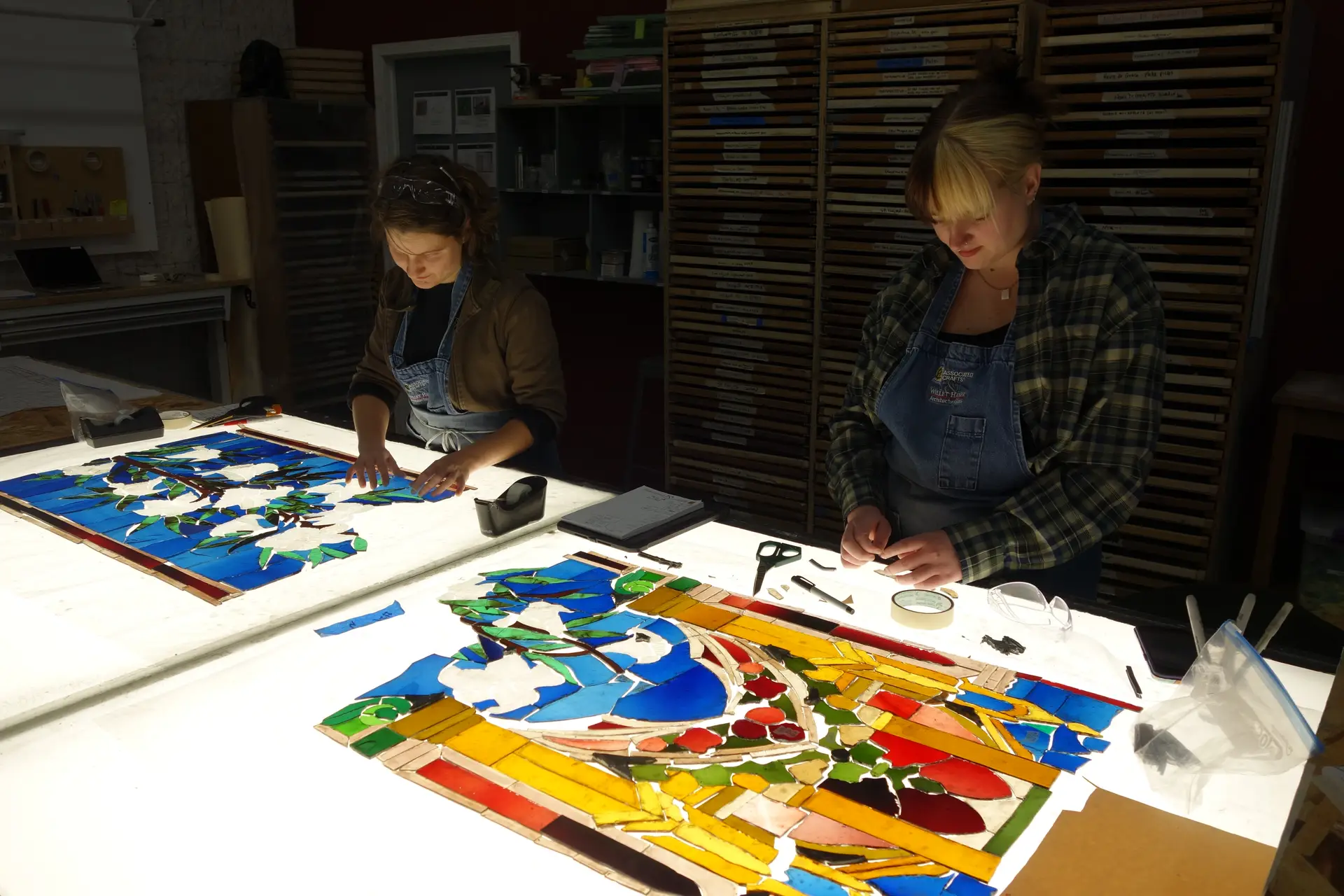
Skilled artisans repair or replace damaged glass using techniques that prioritise visual and material fidelity. Colour and pattern are matched to maintain authenticity. Craftsmanship integrates repairs seamlessly, using accepted methods such as fusing and soldering to re-establish structural and aesthetic integrity.
Releading and Cementing
Releading and cementing are fundamental to durability. Replacing deteriorated lead came with new profiles secures glass units. Cementing adds weatherproofing and mechanical stability, protecting the assembly from environmental stress and contributing to long-term performance.
Finishing Touches and Protective Glazing
Final steps include aesthetic refinement and application of protective glazing where appropriate. Options such as UV-filtering protective glass reduce solar degradation and environmental wear. The work concludes with measured adjustments so the restored window is stable and visually authentic for future generations.
Reinstallation
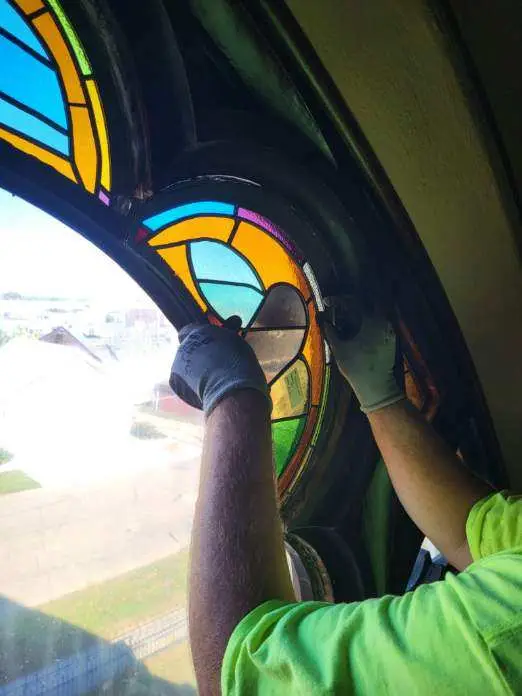
Reinstallation is carried out with logistical planning and technical care. The sequence includes careful removal, secure transport to the workshop, and detailed evaluation before final fit. Correct reinstallation verifies that structural interventions perform as intended and that the artwork sits securely and true within its setting.
Best Practices for Installation
Adherence to established best practices is essential to safeguard longevity and stability. Decisions on on-site versus off-site work are informed by condition and context. Collaboration with experienced professionals ensures precise installation and protects the integrity of the stained glass throughout the process.
Historic Stained Glass Structural Reinforcement & Reinstallation
Structural reinforcement maintains window stability through proven methods. Chief among these is renewal or reinforcement of lead came to restore rigidity. Complementary support techniques are applied to secure panels and reduce the likelihood of future deterioration.
How Does Lead Came Reinforcement Enhance Window Stability?
Lead came reinforcement restores the primary structural matrix by replacing fatigued lead with properly graded material. This renewal reinforces panel geometry and secures glass pieces, reducing vulnerability to environmental forces and extending service life.
Which Materials and Methods Ensure Durable Glass Panel Support?
Durable support depends on material specification and methodical installation. Restoration-grade lead provides essential ductility and strength. Where appropriate, discrete stainless steel supports and other reinforcement measures are employed to enhance long-term stability.
How Are Historic Window Sashes Repaired to Preserve Architectural Integrity?
Repairing historic sashes requires respect for original construction and an informed conservation approach. Practitioners assess sash condition, undertake careful cleaning, and apply repair techniques that restore function while retaining historic character.
What Are the Best Practices for Expert Window Sash Repair?
Best practice emphasises traditional materials and methods that align with the sash’s original fabrication. Skilled joinery, careful consolidation and selective component replacement preserve architectural intent while ensuring operational performance.
How Does Sash Repair Contribute to Long-Term Structural Stability?
Attentive sash repair addresses weak points that, if left uncorrected, would compromise the whole assembly. Restoring sash integrity preserves the window’s performance and appearance and prevents more extensive intervention later.
What Are the Proven Reinstallation Techniques for Historic Stained Glass Preservation?
Proven reinstallation techniques combine thorough assessment, precise documentation and disciplined restoration procedures to reintegrate stained glass into its architectural context without compromising its historic value.
How Is Complete Window Reinstallation Executed with Structural Reinforcement?
Complete reinstallation follows a systematic workflow: measured removal, secure transport, restoration with integrated reinforcement, and final evaluation. Structural measures are coordinated throughout to ensure the window is stable and correctly supported in situ.
Which Custom Fabrication Processes Support Accurate Restoration?
Custom fabrication supports accurate restoration through detailed study of glass fragments and faithful reproduction of original forms. Conservators and artisans employ advanced fabrication techniques to ensure repaired elements integrate seamlessly with existing work.
Why Is Collaboration Vital in Stained Glass Restoration Projects?
Collaboration among architects, preservation specialists and conservators is essential to align conservation goals with architectural and functional requirements. Interdisciplinary cooperation yields solutions that respect heritage while meeting contemporary standards.
The discipline of stained glass conservation increasingly benefits from interdisciplinary research and advancing digital tools, reinforcing the need for coordinated expertise across materials science, engineering and conservation practice.
Digital Technologies & Interdisciplinary Stained Glass Conservation
This growth is linked to advances in digital technology and wider global access, allowing for interdisciplinary research combining materials science, engineering, and cultural studies. New technologies, such as hyperspectral imaging and laser cleaning, have significantly improved conservation methods. The study also shows an increasing contribution from the United States, alongside the continued leadership of Europe, with more diverse sources of funding reflecting global investment in stained glass research. By offering a comprehensive, long-term analysis, this review fills gaps in previous studies by addressing the lack of integrated research across different fields and regions. It provides useful insights for future research, policy-making, and conservation efforts, highlighting the global importance of
W
indows of insight: A review on stained glass research trends, K Leong, 2024
How Do Architects and Preservationists Partner with Restoration Experts?
Architects and preservationists work closely with restoration specialists to incorporate stained glass into building designs while protecting historic values. This partnership enables technically sound and sympathetic solutions that meet both conservation and contemporary structural requirements.
What Role Does Client Collaboration Play in Achieving Quality Outcomes?
Engaging clients throughout the project ensures that their objectives inform technical decisions. Initial consultation and regular feedback foster shared understanding and contribute materially to a successful restoration that meets aesthetic and performance expectations.