
Stained Glass Repair Costs: Budgeting, Damage Assessment & DIY vs Pro
By Amanda Steine, Willet Stained Glass Studios
Stained glass windows are not only beautiful but also require careful maintenance and repair to preserve their integrity and aesthetic appeal. Understanding the costs associated with stained glass window repair is essential for homeowners and property managers alike. This comprehensive guide will delve into the various factors influencing stained glass restoration costs, effective damage assessment techniques, and the pros and cons of professional versus DIY repairs. By the end of this article, readers will be equipped with the knowledge to budget effectively for restoration projects and make informed decisions about their stained glass windows.
The key areas we will explore include the factors that affect repair costs, how to assess damage accurately, and the materials and techniques used in restoration. Additionally, we will compare professional services with DIY approaches, providing insights into the best practices for maintaining these unique architectural features.
What Are the Key Factors Influencing Stained Glass Window Repair Costs?
Several factors significantly influence the costs associated with stained glass window repairs. Understanding these elements can help homeowners budget effectively and anticipate potential expenses. Key factors include the type of damage, the materials used, and the labor involved in the repair process.
Understanding these factors allows homeowners to make informed decisions about their stained glass restoration projects.
How Does Damage Type Affect Restoration Pricing?
The type of damage sustained by stained glass windows plays a crucial role in determining repair costs. Common issues include cracks, breakage, and sagging lead cames. Each type of damage requires specific repair techniques, which can vary in complexity and cost.
- Cracks and Breakage: Minor cracks may be repaired with resin or epoxy, while significant breakage often necessitates complete panel replacement, leading to higher costs.
- Sagging Lead Cames: This issue requires re-leading, which involves removing the glass panels, replacing the lead came, and reassembling the window. This process can be labor-intensive and costly.
- Environmental Damage: Exposure to harsh weather conditions can lead to deterioration, necessitating more extensive repairs and potentially higher costs.
What Role Do Materials and Labor Play in Repair Expenses?
Materials and labor are two of the most significant components of stained glass repair costs. The choice of materials can greatly influence the durability and appearance of the finished product.
- Material Quality: High-quality glass and lead came are essential for long-lasting repairs. While they may increase initial costs, they often result in fewer repairs needed in the future.
- Labor Costs: Skilled artisans bring expertise that ensures repairs are done correctly. Their rates can vary based on experience and the complexity of the work required. Investing in skilled labor can lead to better outcomes and longer-lasting repairs.
How to Conduct an Effective Stained Glass Damage Assessment?

Conducting a thorough damage assessment is crucial for determining the necessary repairs and associated costs. Homeowners should be aware of common types of damage and effective diagnostic methods to evaluate the condition of their stained glass windows.
Experts emphasize that a comprehensive restoration plan involves detailed condition analyses, specific recommendations, and clear cost estimates.
Stained Glass Restoration: Condition Analysis & Cost Estimates
The physical components are the condition analyses, restoration recommendations, cost estimates, and specifications for the stained glass windows.
Stained Glass Conservation: Condition Analyses and Specifications, 1996
What Are Common Types of Stained Glass Damage?
Stained glass windows can suffer from various types of damage, each requiring different approaches for assessment and repair. Common issues include:
- Cracks and Breakage: These are often visible and can compromise the structural integrity of the window.
- Sagging Lead Cames: This issue may not be immediately apparent but can lead to further damage if not addressed.
- Environmental Damage: Factors such as moisture, UV exposure, and temperature fluctuations can cause deterioration over time.
Which Diagnostic Methods Ensure Accurate Damage Evaluation?
Accurate damage evaluation is essential for effective repairs. Homeowners can employ several diagnostic methods, including:
- Visual Inspection: Regularly inspecting windows for visible signs of damage can help catch issues early.
- Condition Analysis: A more thorough examination may involve checking for moisture intrusion or structural weaknesses.
- Environmental Checks: Assessing the surrounding environment can provide insights into potential damage sources, such as leaks or excessive sunlight.
What Should You Include When Budgeting for Stained Glass Restoration Projects?
When budgeting for stained glass restoration, several key factors should be considered to ensure a comprehensive financial plan:
- Cost Factors: Include estimates for materials, labor, and any additional services required.
- Project Scope: Clearly define the extent of the repairs needed to avoid unexpected expenses.
- Material Selection: Choose materials that fit within your budget while ensuring quality and durability.
How to Estimate Typical Price Ranges for Repair Services?
Estimating the costs associated with stained glass repair services can be challenging. However, understanding typical price ranges can help homeowners prepare financially.
- Minor Repairs: Simple fixes, such as crack sealing, may range from $100 to $300.
- Moderate Repairs: More extensive work, like re-leading, can cost between $300 and $800.
- Major Repairs: Complete panel replacements or significant restoration projects may exceed $1,000, depending on the complexity and materials used.
What Financing Options Are Available for Restoration Work?
Homeowners may explore various financing options to manage the costs of stained glass restoration projects. Potential options include:
- Home Improvement Loans: These loans can provide the necessary funds for larger restoration projects.
- Grants for Historical Preservation: Some local governments offer grants for restoring historical features, including stained glass windows.
- Payment Plans: Many restoration companies may offer flexible payment plans to help manage costs over time.
Professional Stained Glass Repair vs. DIY: Which Approach Is Best?
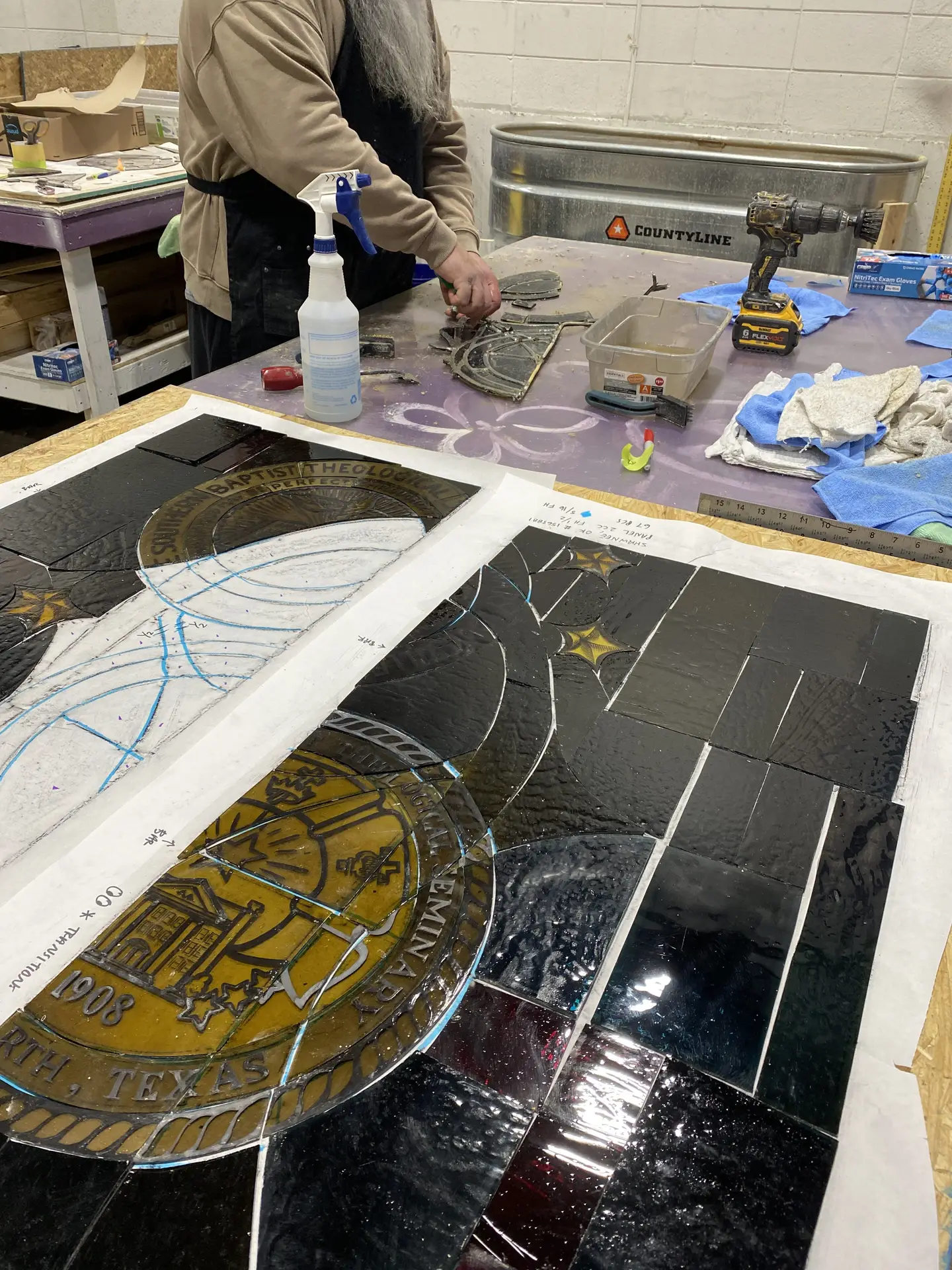
When it comes to stained glass repair, homeowners often face the decision of whether to hire professionals or attempt DIY repairs. Each approach has its advantages and disadvantages.
What Are the Advantages of Hiring Expert Artisans?
Hiring professional artisans for stained glass repair offers several benefits:
- Expertise: Professionals possess the skills and experience necessary to handle complex repairs effectively.
- Historical Accuracy: Skilled artisans can ensure that repairs maintain the historical integrity of the stained glass.
- Quality Assurance: Professionals often provide warranties on their work, offering peace of mind for homeowners.
What DIY Tips and Risks Should Homeowners Consider?
While DIY repairs can save money, they also come with risks. Homeowners should consider the following tips and potential pitfalls:
- Basic Repairs: Minor issues, such as small cracks, can be addressed with DIY methods, but caution is essential.
- Risks of Improper Techniques: Incorrect repairs can lead to further damage, resulting in higher costs down the line.
- When to Seek Professional Help: For significant damage or complex repairs, it is advisable to consult with a professional to avoid costly mistakes.
Which Materials and Techniques Are Used in Stained Glass Repair?
Understanding the materials and techniques used in stained glass repair is essential for making informed decisions about restoration projects.
What Types of Glass and Lead Came Are Commonly Employed?
The choice of materials significantly impacts the quality and longevity of stained glass repairs. Common materials include:
- Glass Types: Various types of glass, including opalescent and cathedral glass, are used based on the desired aesthetic and durability.
- Lead Came: The lead came is crucial for holding the glass panels together and must be of high quality to ensure structural integrity.
How Do Restoration Methods Affect Project Duration and Expense?
Different restoration methods can influence both the duration and cost of a project. Key considerations include:
- Conservation vs. Restoration: Conservation focuses on preserving existing materials, while restoration may involve replacing damaged components, affecting costs and timelines.
- Material Costs: The choice of materials can significantly impact both the budget and the time required for repairs.
- Project Complexity: More intricate designs may require additional labor and time, leading to higher expenses.
How Do Case Studies and Portfolio Examples Illustrate Repair Costs and Outcomes?
Examining case studies and portfolio examples can provide valuable insights into the costs and outcomes of stained glass restoration projects.
What Can Be Learned from Historical and Custom Restoration Projects?
Historical and custom restoration projects often highlight the importance of skilled craftsmanship and quality materials. Key takeaways include:
- Successful Restoration Examples: Many projects demonstrate how expert restoration can revive the beauty and integrity of stained glass windows.
- Cost Implications: Understanding the costs associated with different approaches can help homeowners make informed decisions about their projects.
How Do Client Testimonials Reflect Value and Satisfaction?
Client testimonials can provide insights into the value of professional stained glass restoration services. Positive feedback often highlights:
- Impact on Satisfaction: Successful restorations can significantly enhance client satisfaction and appreciation for their stained glass features.
- Metrics of Success: Many clients report increased property value and aesthetic appeal following professional restoration work.