Professional Stained Glass Removal, Custom Crating, and Temporary Storage Solutions for Historic Window Preservation
By Amanda Steine, Willet Stained Glass Studios
Stained glass windows combine aesthetic distinction with considerable historical value. Proper removal, custom crating, and temporary storage require specialised techniques and disciplined workmanship to protect these fragile elements. This article outlines professional methods for removal, the role of bespoke crating solutions, and the temporary storage options commonly used to safeguard these artworks. Understanding these procedures is essential for those charged with preserving historic windows, since improper handling can cause irreversible damage. The sections that follow describe expert techniques, crating materials, and storage best practices to help ensure stained glass endures for future generations.
Professional Stained Glass Removal Techniques:
Safe removal follows methodical procedures designed to reduce risk. Work begins with detailed documentation and a condition assessment to establish historical and physical context. Stabilization measures secure the glass before extraction, and controlled separation from framing systems prevents stress to the panels during removal.
What Techniques Ensure Preservation During Stained Glass Window Removal?
Preservation during removal depends on a few fundamental practices. Comprehensive documentation records the original state of each window. Temporary supports and stabilization techniques maintain structural integrity while panels are detached. Collaboration with experienced restoration specialists further ensures the work is carried out with technical precision.
Which Tools and Materials Are Used in Professional Stained Glass Handling?
Professional handling employs specialised tools and protective materials to minimise risk. Precision cutters, suction lifters, and protective gloves assist in safe extraction, while padded blankets and custom crates provide essential protection for transport and storage, reducing the likelihood of breakage.
Custom Crating Options:
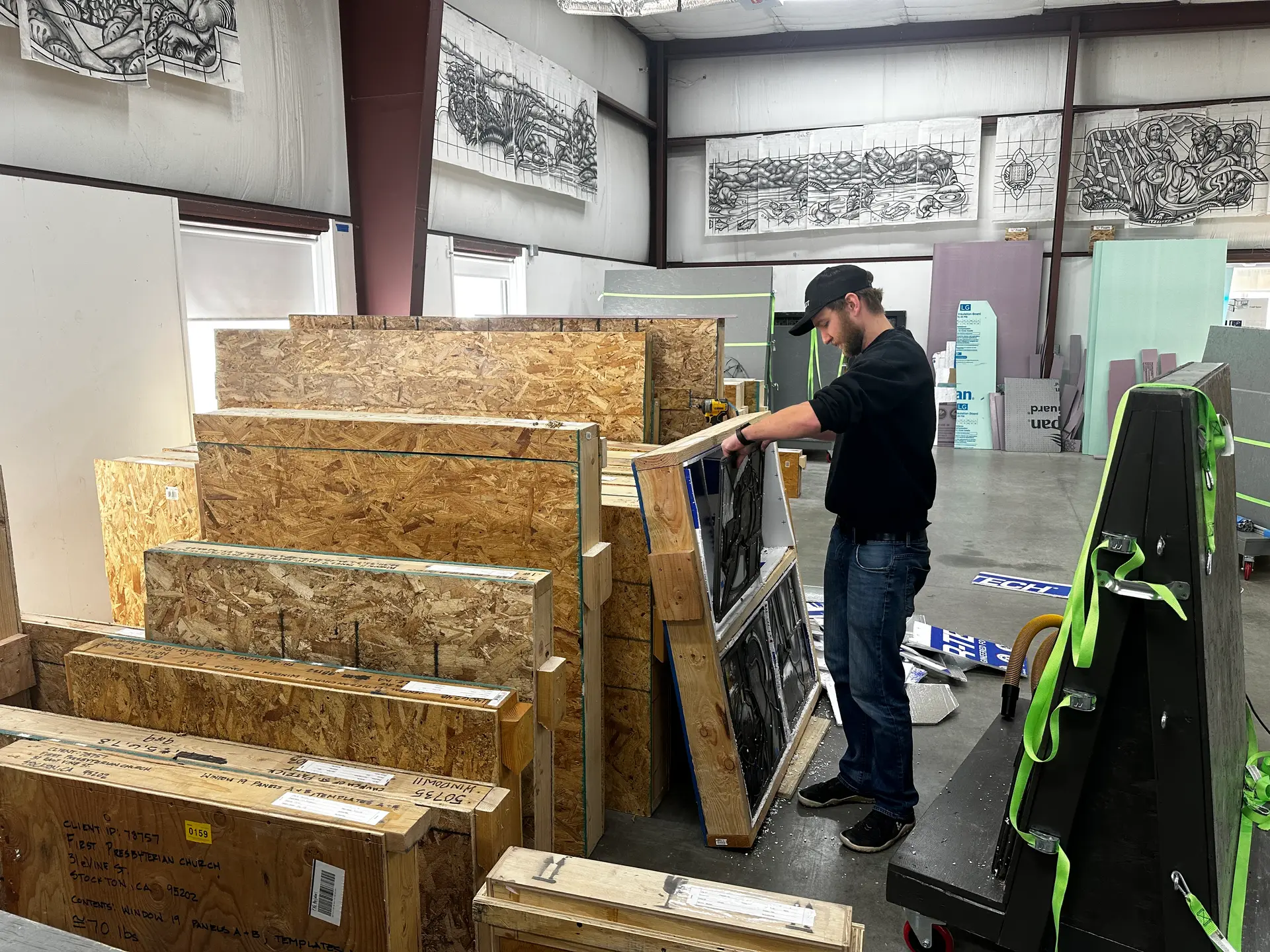
Custom crating is fundamental to secure transport and storage of stained glass panels. Crates are engineered to the unique shapes and dimensions of each piece, creating a controlled environment that shields against impacts and environmental exposure. Protective labelling and organised cataloguing improve handling efficiency and reduce errors.
What Are Custom Crating Solutions for Fragile Stained Glass Panels?
Custom crating uses high-quality materials cut to the precise dimensions of each panel. Internal foam padding and adjustable supports prevent movement during transit. Designs account for both weight and fragility so each crate delivers optimal protection.
How Do Custom Crates Protect Stained Glass During Transport and Storage?
Crates are engineered to safeguard panels throughout transit and storage. Padded interiors absorb shocks and damp vibrations, while robust exteriors defend against external impacts. Clear labelling facilitates correct handling and reduces mishandling during transport.
What Sustainable Materials Are Used in Stained Glass Crating?
Sustainable materials are increasingly adopted for crating to reduce environmental impact. Options such as recycled cardboard, biodegradable packing materials, and eco-friendly adhesives can provide protective performance while supporting responsible preservation practices.
Temporary Storage Solutions:
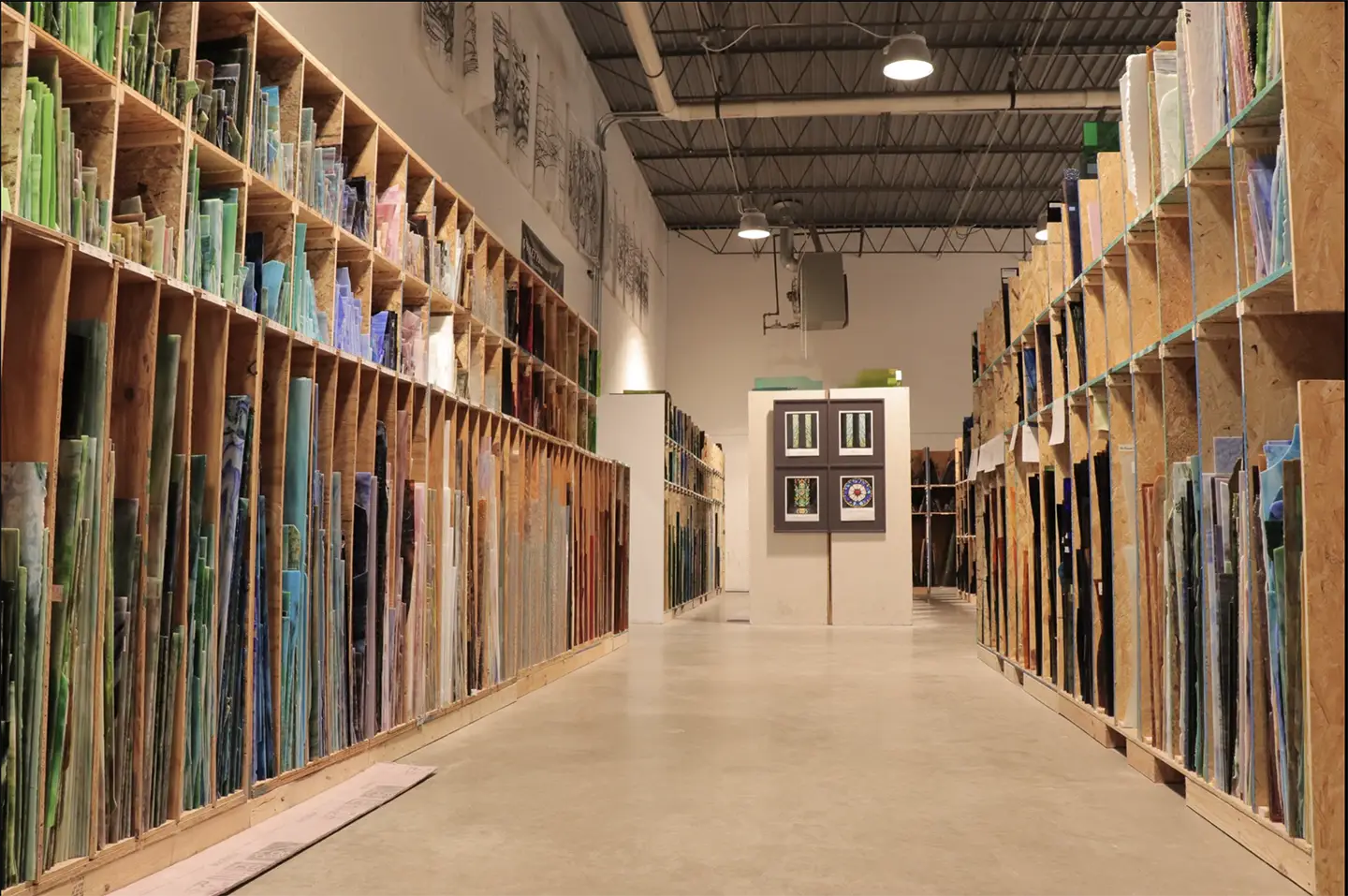
Temporary storage is a necessary component of many restoration programmes. Climate-controlled facilities are especially valuable because they maintain consistent temperature and humidity to prevent environmental damage. Secure, monitored locations further protect panels from theft and accidental harm while they await reinstallation.
How Does Climate-Controlled Storage Preserve Historic Stained Glass?
Climate control preserves historic stained glass by maintaining stable environmental conditions. Regulated temperature and humidity limit deterioration of glass and supporting materials. Best practice includes regular monitoring and maintenance of the storage environment to sustain optimal preservation conditions.
Research underscores the complexities and critical importance of climate-control strategies for protecting cultural heritage within historic structures.
Climate Control for Historic Building Conservation & Art Preservation
This research examines the development of climate-control strategies for conservation environments, focusing on the challenges of indoor climate analysis within historic buildings. Climate control in these settings is a complex task with significant consequences for the preservation of cultural heritage and is often characterized by competing requirements.
Historical climates and conservation environments.
Historical perspectives on climate control strategies within museums and heritage buildings, A Luciani, 2013
What Is the Recommended Duration for Temporary Stained Glass Storage?
Recommended storage duration depends on project requirements. Key factors include the condition of the glass, the planned restoration timeline, and the level of environmental control. Where feasible, limit temporary storage to several months, since prolonged storage increases the risk of deterioration.
How Does Willet Stained Glass Studios Collaborate on Historic Window Restoration Projects?
Willet Stained Glass Studios partners with clients on historic window restoration, bringing proven expertise in removal, crating, and storage. By working closely with architects and preservationists, the studio ensures each piece is handled with care and technical precision and that solutions are tailored to the project’s needs.
What Are Notable Case Studies Demonstrating Expert Stained Glass Removal and Storage?
Several case studies illustrate Willet Stained Glass Studios’ technical approach to removal and storage. These projects highlight thorough documentation, bespoke crating solutions, and the use of climate-controlled storage to protect historic windows. Each example demonstrates the value of professional handling in achieving lasting conservation outcomes.
How Do Client Partnerships Enhance Preservation and Restoration Outcomes?
Strong client partnerships improve preservation outcomes by aligning technical work with the client’s objectives. Through collaborative planning and open communication, Willet Stained Glass Studios adapts its services to meet specific project requirements, enhancing both restoration quality and respect for the historical significance of the glass.