
Comprehensive Stained Glass Maintenance & Preventative Care: Expert Inspection and Restoration Services
By Amanda Steine, Willet Stained Glass Studios
Stained glass windows need specialist, consistent care to preserve appearance and structural integrity. This guide summarises accepted maintenance and preventative practices, outlines inspection and restoration workflows, and describes cleaning and repair methods that sustain quality and longevity. Regular, planned maintenance reduces the risk of major deterioration and costly interventions by catching issues early and guiding appropriate repairs.
Expert Inspection Techniques
Systematic inspections assess condition and reveal problems before they escalate. Key methods are careful visual surveys, checking lead cames and supporting frames, and reviewing environmental effects on the glazing.
Scholarly work underscores the importance of evaluating environmental factors when assessing degradation and planning conservation for stained glass.
Stained Glass Environmental Degradation & Conservation
However, stained glass is susceptible to environmental changes that can impact its appearance and longevity. This thesis will provide a theoretical overview of the alteration of stained glass caused by various factors with a special focus on the effects of air pollutants, temperature, and humidity. Overall, this study will offer an assessment of the main factors affecting the degradation of glass and will suggest conservation strategies and mitigation measures to encounter the effects of climate change on stained glass.
Beyond the surface: Investigating environmental factors affecting stained glass
- Visual Inspection: Examine glass panels and lead cames for cracks, discoloration, or other defects; regular visual checks catch minor issues early.
- Lead Framework Assessment: Check lead cames and supporting framework for corrosion or deformation to ensure structural stability.
- Environmental Damage Check: Inspect for moisture, UV exposure, and other environmental impacts that can accelerate deterioration.
Restoration Services
Conservation work begins with a clear appraisal and a decision whether to repair onsite or in a studio. Chosen techniques aim to restore authenticity and ensure long-term durability with minimal intervention.
A detailed condition report provides the factual foundation for informed conservation decisions and long-term care planning.
Stained Glass Conservation & Condition Reporting
There are several components to approaches taken in the intelligent conservation of stained glass. The condition report for each window should begin with an objective description of the window, including its location, orientation, and any visible damage or deterioration.
Stained Glass Conservation: Condition Analyses and Specifications, 1996
- Assessment and Appraisal: A professional evaluation identifies damage extent and the steps required for sound restoration.
- Onsite vs. Offsite Repairs: Minor repairs can be done onsite; complex restoration benefits from studio bench work and controlled conditions.
- Restoration Techniques: Typical measures include re-leading, selective glass replacement, and installation of protective glazing to preserve appearance and function.
Where removal to a dedicated studio is feasible, conservators can employ a broader range of bench treatments and controlled repair methods.
Stained Glass Repair & Conservation Methods
When the window is removed for conservation and repair work, the range of treatments and repair methods is greater if the window is on the bench.
Leaded Lights and Stained Glass, 2025
Best Practices for Preserving Integrity
Preserving stained glass requires a proactive maintenance programme. Applying recognised best practices extends service life, protects artistic value, and reduces the need for invasive work.
- Regular Inspections: Schedule routine surveys to identify issues early and prioritise repairs.
- Cleaning and Maintenance: Use gentle, non-abrasive cleaning methods to protect finishes and pigments.
- Protective Glazing Solutions: Install appropriate protective glazing to shield original glass from UV, moisture, and impact while allowing ventilation where needed.
Why Is Regular Stained Glass Inspection Essential for Preservation?
Regular inspections detect deterioration early, create an accurate condition record, and reduce the chance of catastrophic failure. Early identification enables measured, cost-effective interventions that preserve longevity.
What Does a Glass Window Inspection Checklist Include?
An effective checklist records structural stability, evidence of environmental intrusion, and visible defects such as cracks or staining, giving a basis for prioritised maintenance.
- Structural Health: Assess the window and frame for overall stability and movement.
- Environmental Damage: Look for signs of moisture, biological growth, or UV-related fading.
- Visual Inspection: Note cracks, loose lead, paint loss, or surface deposits.
How Do Condition Assessments Extend Window Longevity?
Condition assessments document existing problems, help prioritise interventions, and inform preventive schedules; comprehensive surveys followed by planned upkeep materially extend service life.
Stained Glass Preventative Care, Inspection & Restoration
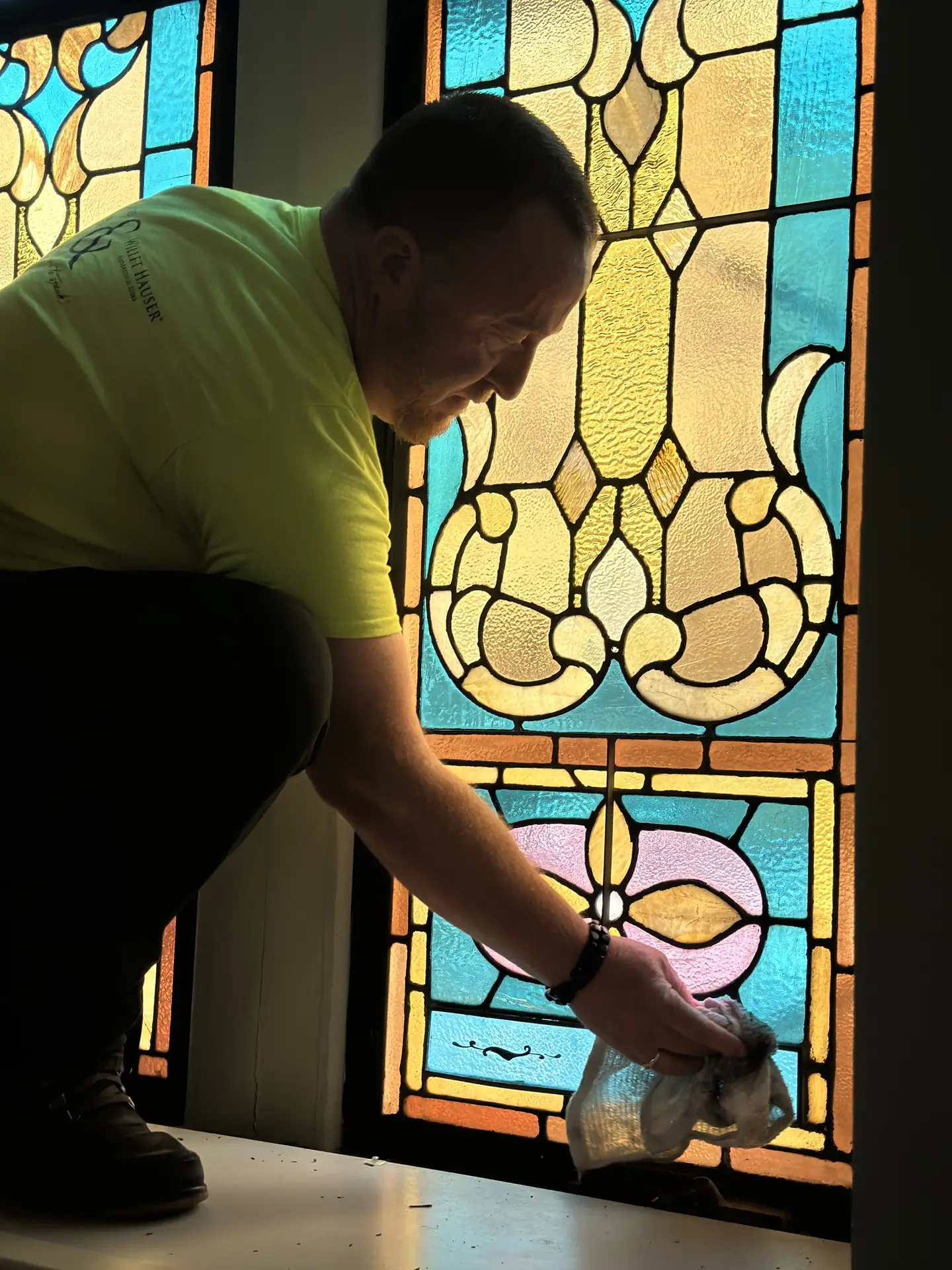
Cleaning and repair should prioritise minimal intervention and non-abrasive materials. Professional input is recommended for deep conservation or any structural repair.
- Gentle Cleaning Methods: Use soft cloths and mild, pH-neutral detergents to avoid scratches and surface harm.
- Professional Cleaning Recommendations: Hire conservators for deep cleaning, complex stain removal, or where original finishes might be affected.
What Are the Best Practices for Custom Stained Glass Repair?
Custom repairs require precise assessment and fabrication to match original materials and appearance. Work should follow a full evaluation and be executed with respect for the original construction.
- Assessment of Damage: Conduct a thorough evaluation to choose the least invasive effective repair.
- Custom Fabrication Techniques: Fabricate replacements to match color, texture, and lead profiles where replacement is necessary.
How Do Protective Glazing Solutions Safeguard Historic Windows?
Protective glazing forms a controlled barrier that reduces UV exposure and moisture ingress while allowing necessary ventilation so the original glass remains visible and conserved to standards.
- UV Protection: Block harmful UV that causes fading and glass surface change.
- Moisture Control: Prevent water penetration that leads to mold, corrosion, or lead failure.
What Are the Benefits of Preventative Maintenance for Stained Glass?
Preventative maintenance reduces lifecycle costs and preserves both artistic and functional value. Regular care prevents small defects becoming major repairs and maintains appearance and structure.
- Cost Savings: Early intervention reduces the scope and cost of later repairs.
- Longevity of Windows: Ongoing care extends lifespan and retains historic fabric.
How Does Protective Glazing Prevent Environmental Damage?
Protective glazing reduces environmental stress by adding impact resistance and moderating thermal and moisture fluctuations that accelerate deterioration.
- Physical Impact Resistance: Adds a protective layer against accidental or deliberate impacts.
- Environmental Stress Mitigation: Lowers the effect of temperature swings and humidity on the original assembly.
How Does Willet Stained Glass Studios Collaborate on Historic Window Preservation?
Willet Stained Glass Studios partners with institutions to develop conservation plans and carry out restoration to professional standards, combining technical skill with respect for historical significance.
What Custom Maintenance Programs Are Tailored for Religious and Historic Institutions?
Custom maintenance programmes provide scheduled, site-specific care developed with clients and preservation bodies to ensure continuity and compliance with best practice.
- Custom Plans for Institutions: Create tailored maintenance schedules to meet each institution’s needs.
- Engagement with Preservation Societies: Work with preservation groups to align practice with accepted conservation standards.
How Does Partnership with Architects Enhance Restoration Projects?
Collaboration with architects ensures restoration aligns with original architectural intent and brings technical expertise to complex repairs, producing outcomes that respect aesthetics and structure.
- Collaboration on Design: Coordinate restoration to preserve architectural vision and context.
- Technical Expertise: Use architectural knowledge to resolve structural or design challenges effectively.