Stained Glass Essentials: History, Costs & Repair Techniques
By Amanda Steine, Willet Stained Glass Studios
Stained glass is a longstanding art form that has adorned churches, cathedrals, and homes for centuries, combining artistic expression with architectural purpose. This guide reviews the history, typical costs, and established repair methods to give owners, clients, and enthusiasts a clear, practical overview. Whether preserving an existing window or commissioning new work, an informed approach to the craft is essential. The following sections outline historical context, cost considerations for creation and restoration, and proven repair techniques aimed at helping you commission, conserve, or appreciate stained glass with confidence.
Recent academic studies document rising global interest and technological advances in the understanding and conservation of stained glass.
Stained Glass Research Trends: History, Conservation & Funding
This review analyses Scopus data from 1855 to 2023 and identifies a marked increase in academic work after 2000. The growth correlates with advances in digital tools and wider global access, enabling interdisciplinary research across materials science, engineering, and cultural studies. New methods such as hyperspectral imaging and laser cleaning have strengthened conservation practice. The study also notes a growing contribution from the United States alongside Europe’s continuing leadership, and more diverse funding sources that reflect global investment in stained glass research. By offering long-term analysis, the review addresses gaps in prior studies and provides evidence to inform future research, policy, and conservation efforts.
Windows of insight: A review on stained glass research trends, K Leong, 2024
1. History of Stained Glass
Stained glass has a well-documented history, originating in the early centuries of the Common Era and evolving under diverse cultural influences. The craft assembles colored glass pieces into precise designs and imagery, frequently with religious subjects. Its significance extends beyond aesthetics; stained glass has long served as a visual narrative tool that communicated stories and ideas to congregations and communities.
What Is the Historical Significance of Stained Glass Art?
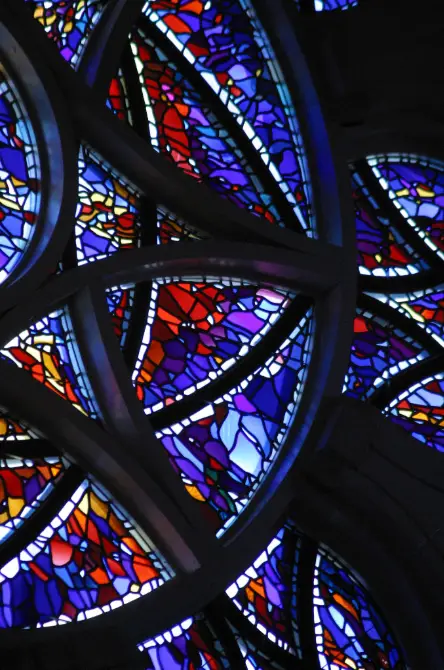
Stained glass is a key cultural and historical artefact, especially within religious settings. It has illustrated biblical narratives, educated communities, and produced profound visual impact. Exemplary works, such as the rose windows of Gothic cathedrals, enhance architectural form while acting as visual sermons that guide viewers through complex narratives of faith and morality.
Which Key Periods Define the Evolution of Stained Glass?
The development of stained glass is marked by distinct periods that introduced technical and stylistic change. The Gothic era produced large, intricate windows that transformed interior light and colour. The Renaissance brought more naturalistic imagery and refined techniques. Contemporary practitioners have explored abstract forms and modern themes, expanding the medium’s expressive range while respecting traditional methods.
2. Associated Costs
Estimating the costs of stained glass work requires attention to several clear factors. Prices are driven by design complexity, the quality and rarity of materials, and the level of expertise needed for fabrication and installation. Each element materially affects both budget and outcome.
Costs vary considerably with project scope and specific requirements of the piece. Intricate designs or historical restorations often command higher fees because of the additional time, specialist materials, and conservation expertise required.
3. Insights on Repair Techniques
Repairing stained glass requires a precise blend of artistic judgement and technical competence. Standard interventions include re-leading, where deteriorated lead came is replaced, and glass replacement, which necessitates sourcing matching glass to preserve the original appearance. Professional restoration is essential to safeguard the window’s longevity and structural integrity.
Comprehensive guides underscore the need for specialized skills and experienced practitioners in successful conservation and restoration projects.
Stained Glass Conservation & Restoration Guide
The guide addresses professionals and craftspersons engaged in preservation. It outlines principles for the conservation and restoration of stained glass, including discussion of clear and colored glass produced by traditional glass-blowing methods.
Conservation and Restoration of Stained Glass-An Owner’s Guide
For owners seeking maintenance or repair, consulting specialists is advisable. Willet Stained Glass Studios, for example, provides a full range of services: custom design, expert fabrication, and careful restoration of both historic and contemporary stained glass windows. Their focus on craftsmanship and historical accuracy ensures each commission receives considered professional care.
How Can You Effectively Repair and Maintain Stained Glass Windows?
To preserve condition and value, schedule regular inspections and address damage promptly. Look for cracks, loose fragments, or failure of the lead came. Working with professionals who understand material behaviour and conservation practice will help maintain these works for future generations.
What Are Common Stained Glass Repair Techniques and Best Practices?
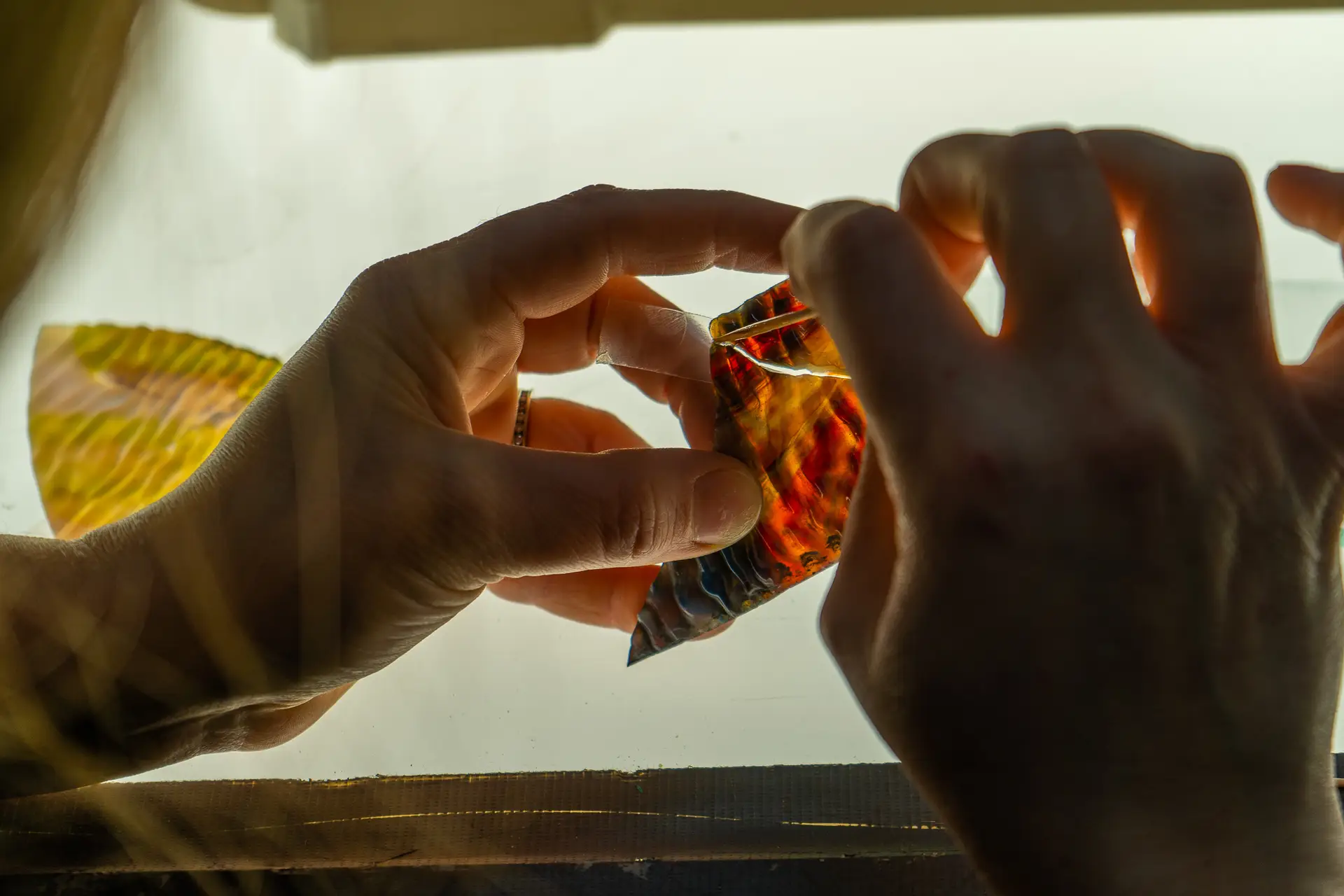
Common repair techniques include the following:
- Re-leading: Replacing damaged lead came to restore structural integrity.
- Glass Replacement: Sourcing and fitting new glass that matches the original.
- Cleaning and Sealing: Regular cleaning and applying protective sealants to prevent moisture damage.
These standard practices improve appearance and extend service life, ensuring the artistry remains vibrant and structurally sound.
Further conservation guidance describes advanced approaches, including specialized painting methods and careful replacement strategies for historic elements.
Stained Glass Painting Techniques & Historic Window Conservation
The publication discusses heraldic and figurative glass-painting techniques that can reduce the need for extensive cutting and leading. It emphasises that historic windows require sensitive conservation and selective replacement when necessary.
Leaded Lights and Stained Glass, 2025