Comprehensive Stained Glass Door and Transom Restoration Services for Historic and Custom Projects
By Amanda Steine, Willet Stained Glass Studios
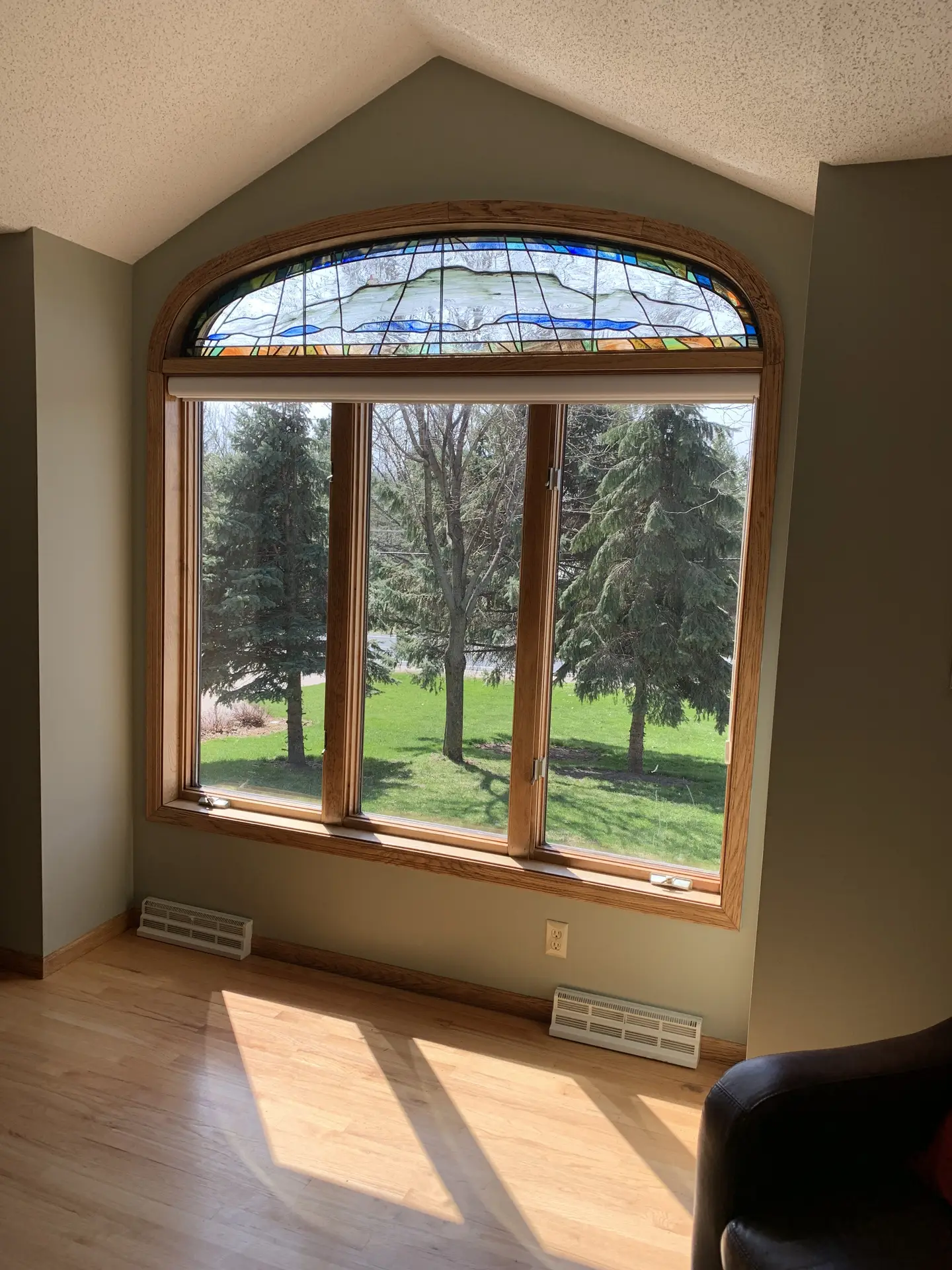
Stained glass doors and transoms are more than architectural elements; they are crafted artworks that convey history and elevate a building’s aesthetic. Over time these intricate assemblies can show wear and damage that call for professional restoration. This article summarizes the core stages of door and transom restoration, the conservation techniques used, and the materials and methods that deliver durable results. It also considers the role of preservation in architectural stewardship and the contributions of Willet Stained Glass Studios, so property owners can better appreciate the value of their stained glass and the specialised care it requires.
Essential Steps in Restoration
Restoring stained glass doors and transoms is a precise, stepwise process aimed at protecting artistic and historic value. It begins with a comprehensive inspection and appraisal to identify damage or deterioration. Conservators then apply measured cleaning and conservation techniques to remove surface deposits while safeguarding original materials. Finally, panels are reassembled and reinstalled to restore appearance and structural performance.
Willet Stained Glass Studios provides these restoration services for both historic and custom projects. Their artisans combine established techniques with specialist knowledge to treat each panel with exacting care and precision.
Cleaning and Conservation Methods
Cleaning and conservation are central to successful restoration. Conservators use specialised, non‑abrasive solutions and controlled methods to remove grime without compromising glass, paint or leadwork. Thorough documentation accompanies each treatment, recording condition and interventions before, during and after work.
Beyond visual renewal, careful cleaning removes contaminants that accelerate deterioration. These preventive measures extend service life so panels can be appreciated by future generations.
Repair and Reinforcement Techniques
Repairing and reinforcing stained glass preserves structural integrity. Lead came replacement is a primary technique to secure individual pieces; structural reinforcement is applied where scale or complexity requires extra support.
Such interventions address weaknesses in both glass and framework and are executed to produce long‑lasting restorations. By combining repair with reinforcement, conservators help ensure stained glass remains a prominent and enduring focal point.
Materials and Methods for Quality Restoration
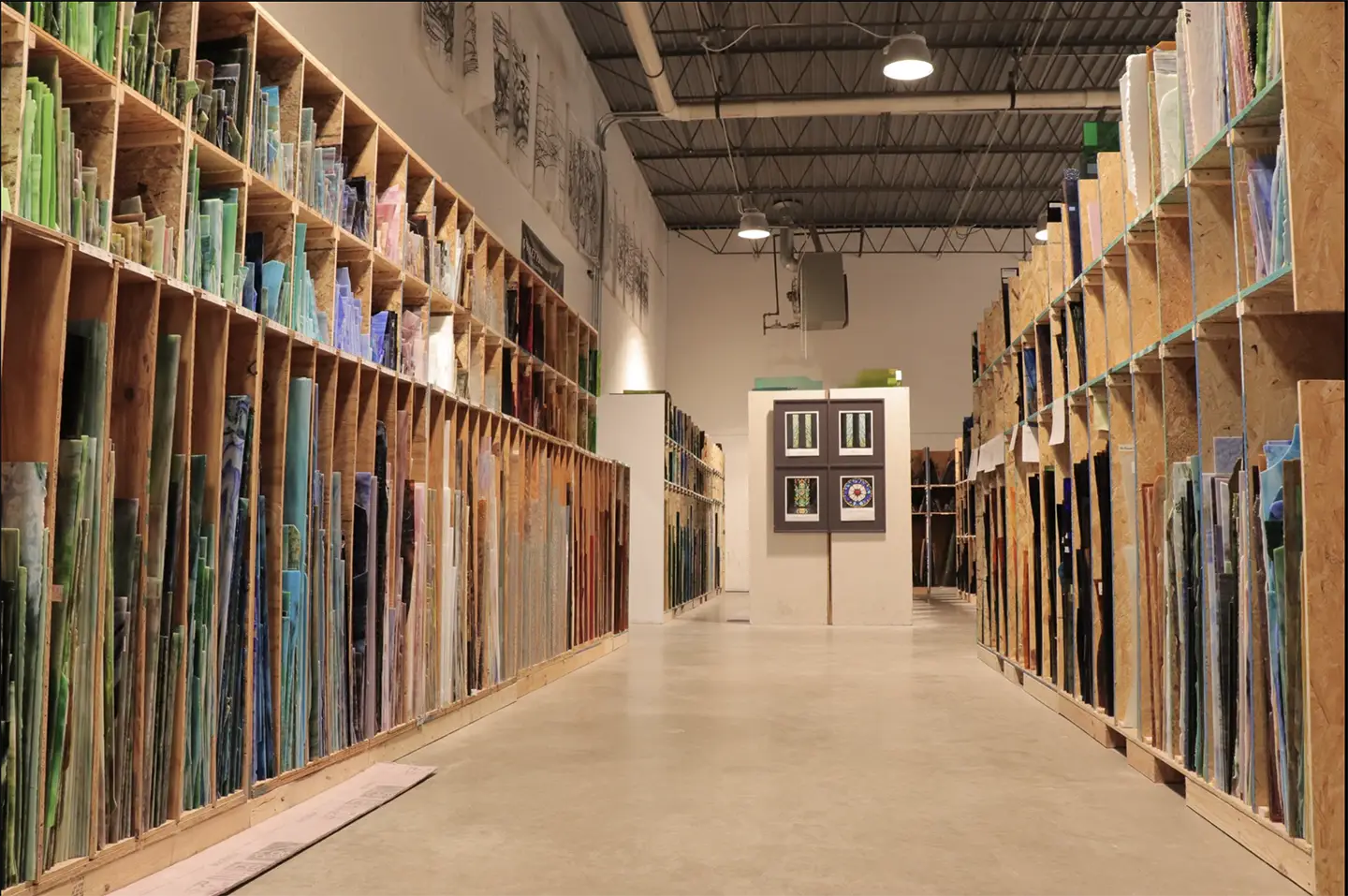
The quality of a restoration depends on the materials and methods selected. Sourcing glass that matches the original in tone and durability is essential. Kiln‑fired painting and compatible restoration materials are used to replicate original decoration and ensure colour permanence.
Different restoration materials provide distinct benefits; the table below compares key attributes and their implications for longevity and performance:
Selecting appropriate materials directly influences the final appearance and long-term durability of a restoration.
Custom Fabrication and Glass Selection
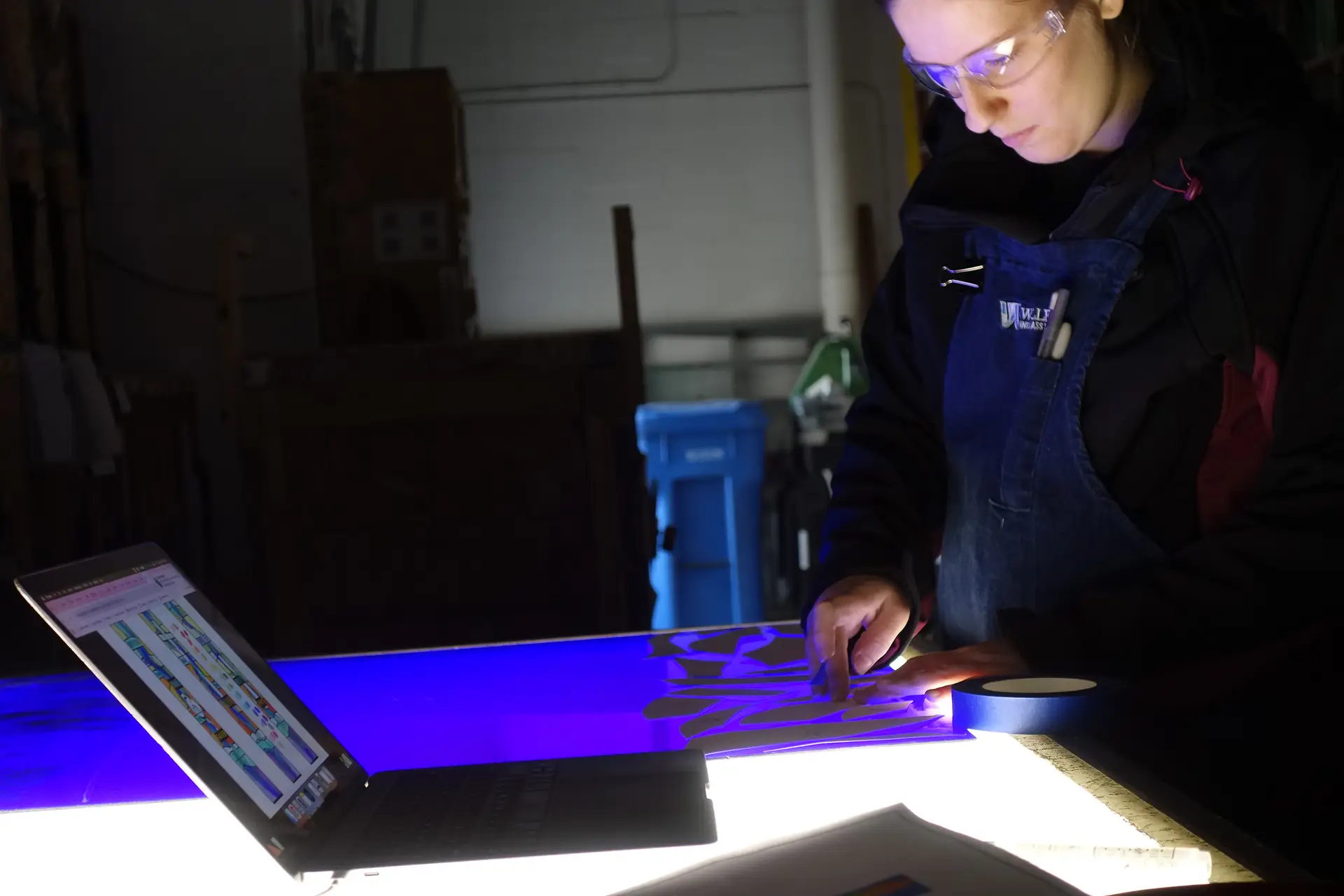
Custom fabrication enables site‑specific designs tailored to client requirements. Careful selection of glass types and colours ensures authenticity and visual harmony with surrounding architecture.
Willet Stained Glass Studios undertakes custom fabrication in close collaboration with clients and project teams. Their material expertise and rigorous standards help each commission meet aesthetic objectives and endure over time.
Importance of Preserving Architectural Heritage
Stained glass embodies the craftsmanship and artistic expression of past eras and contributes significantly to a building’s cultural significance. Preservation and restoration sustain that legacy and support communal identity and historical continuity.
Willet Stained Glass Studios is dedicated to preserving stained glass heritage, collaborating with preservation societies and architects to maintain these works for future generations. Their restorations restore visual integrity and foster a deeper appreciation for the craft.
Historic & Custom Stained Glass Door and Transom Restoration
The essential steps in stained glass door and transom restoration are:
- Disassembly and Cataloging: Carefully removing the stained glass from its frame and documenting its condition.
- Lead Came Repair or Replacement: Assessing and replacing any damaged lead came to ensure structural integrity.
- Final Recommendations for Care: Providing clients with guidance on maintaining their restored stained glass.
These stages are fundamental to a successful restoration that honours original workmanship while extending the piece’s service life.
How Is Cleaning and Conservation Performed on Historic Glass?
Cleaning and conservation of historic glass employ several principal techniques:
- Non-Abrasive Cleaning Methods: Using gentle solutions to remove dirt without damaging the glass.
- Documentation: Keeping detailed records of the cleaning process and the condition of the glass.
- Preventive Measures: Implementing strategies to protect the glass from future damage.
Together, these methods preserve historic glass in optimal condition and enable continued public and private appreciation.
What Repair and Reinforcement Methods Ensure Long-Lasting Restoration?
Long‑lasting restoration relies on established repair and reinforcement methods, including:
- Lead Came Replacement: Essential for maintaining the structural integrity of the glass.
- Structural Integrity Considerations: Assessing overall stability and reinforcing as necessary.
- Regular Maintenance Recommendations: Providing clients with guidelines for ongoing care.
These measures address structural weaknesses and, when combined with scheduled maintenance, help preserve both durability and appearance.
Which Materials and Techniques Define Quality Stained Glass Restoration?
Quality restoration is defined by appropriate materials, faithful techniques and skilled execution, including:
- High-Quality Glass and Painting Techniques: Ensuring restored pieces match the original in both appearance and durability.
- Selection of Materials for Authenticity: Using materials that reflect the historical context of the stained glass.
- Expert Craftsmanship: Employing skilled artisans to execute the restoration with precision.
These elements collectively determine whether a restoration meets conservation standards and endures as a work of art.
How Does Willet Studios Collaborate with Clients and Preservation Entities?
Willet Stained Glass Studios works closely with clients, preservation entities and design professionals to ensure restoration projects meet aesthetic and historical requirements. This collaboration includes:
- Working with Architects and Historians: Ensuring the restoration aligns with the original design intent.
- Guidance on Care and Maintenance: Providing clients with the knowledge needed to care for their restored pieces.
- Community Engagement: Involving local communities in preservation efforts to foster a sense of ownership and pride.
This collaborative approach enhances restoration quality and strengthens the connection between a building, its community and its architectural heritage.
What Are Common Questions About Stained Glass Door and Transom Restoration?
Frequently asked questions about stained glass restoration include:
- What is the typical repair duration?: Restoration can take anywhere from a few weeks to several months, depending on project complexity.
- What are the cost considerations for restoration?: Costs vary based on extent of damage and materials used; estimates are provided after initial assessment.
- How can I maintain my restored stained glass?: Regular cleaning and avoiding direct sunlight help preserve the beauty and integrity of the glass.