Comprehensive Condition Surveys for Stained Glass Restoration Planning
By Amanda Steine, Willet Stained Glass Studios
Stained glass windows represent artistic achievement and important elements of cultural heritage. Accurate assessment of their condition is fundamental to effective preservation and restoration. This article reviews the components of professional condition assessments and surveys and explains their role in restoration planning. It outlines the elements of a professional assessment, common damage types, and how findings shape restoration strategies. The methodologies used in church window inspections and recent developments in non‑invasive survey techniques are also summarised. By the end, readers will understand how thorough assessments support the longevity and aesthetic integrity of stained glass installations.
What Does a Professional Stained Glass Condition Assessment Include?
A professional stained glass condition assessment is a comprehensive evaluation of structural, material, and environmental factors. The process typically includes:
- Visual Inspection: A detailed examination of the stained glass for visible signs of damage or deterioration.
- Lead Framework Assessment: An evaluation of the lead cames that hold the glass panels in place, checking for sagging or corrosion.
- Environmental Damage Check: An analysis of external factors such as moisture, sunlight, and pollution that may affect the glass’s integrity.
Together, these elements provide a consolidated picture of the window’s condition and guide practical restoration decisions.
Which Damage Types Are Identified During a Stained Glass Damage Assessment?
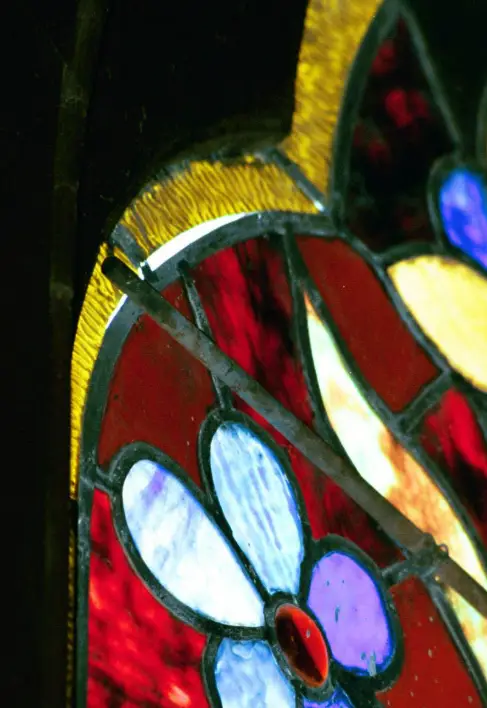
During a stained glass damage assessment, assessors identify a range of damage types, including:
- Cracks and Breakage: Visible fractures that can compromise the glass’s structural integrity.
- Sagging Lead Cames: Over time the lead framework can sag, causing misalignment and potential breakage of panels.
- Environmental Damage: UV exposure, moisture and similar factors can cause fading, discoloration and other deterioration.
Identifying these forms of damage is essential to plan effective restoration interventions.
Research underscores that environmental factors—notably air pollutants and humidity—contribute substantially to stained glass degradation and reinforce the need for targeted conservation strategies.
Environmental Factors & Conservation Strategies for Stained Glass
For centuries, stained glass has been integral to both architecture and art, producing vivid, intricate designs that interact with light and enrich buildings, particularly in Central Europe. Stained glass remains vulnerable to environmental change, which can alter appearance and reduce longevity. This thesis offers a theoretical overview of glass alteration driven by factors such as atmospheric pollutants, temperature variation, and humidity. It also examines the application of analytical techniques — including microstructure analysis, chemical analysis, and spectroscopy — to better understand how these factors affect glass properties. In conclusion, the study assesses the principal causes of glass degradation and proposes conservation strategies and mitigation measures to address the consequences of climate change on stained glass.
Beyond the surface: Investigating environmental factors affecting stained glass
How Is the Historic Window Condition Report Structured and Utilized?
The historic window condition report is organised to present a clear and detailed account of assessment findings. It typically includes:
- Detailed Reports: Comprehensive documentation of each window’s condition, with photographs and descriptions of any damage.
- Condition Surveys: Systematic evaluations that categorise the state of the glass and lead framework.
- Long-Term Maintenance Plans: Recommendations for ongoing care and future assessments to support longevity.
This structured reporting enables stakeholders to make informed decisions on restoration and long‑term conservation.
How Are Church Window Inspection Services Conducted with Expertise?
Church window inspection services are performed by trained professionals who apply established methodologies to ensure a thorough evaluation. Inspections commonly involve:
- Visual Inspection: Close examination for visible wear or damage.
- Lead Framework Assessment: Checking the integrity of lead cames and their fixings.
- Environmental Damage Check: Assessing the impact of external factors on the stained glass.
Professional inspections are essential to preserve both the aesthetic and structural integrity of church windows.
What Techniques and Technologies Are Used in Architectural Glass Condition Surveys?
Architectural glass condition surveys use a range of techniques and technologies to evaluate stained glass. Key methods include:
- Visual Inspection: The primary technique for identifying visible damage.
- Advanced Imaging Tools: Infrared thermography, high‑resolution digital photography and similar tools that reveal issues not visible to the naked eye.
- Documentation: Detailed records of findings, including annotated photographs and written reports.
These methods increase the precision and reliability of condition assessments.
How Does Collaboration Enhance the Accuracy of Condition Surveys?
Collaboration among stakeholders improves the thoroughness and accuracy of condition surveys. This includes:
- Diverse Expertise: Involving conservators, architects, and historians ensures a well‑rounded assessment.
- Joint Inspections: Team inspections provide multiple perspectives on condition and significance.
- Community Engagement: Local input can supply historical context and usage information that inform conservation choices.
Collaborative practice yields more comprehensive and reliable survey outcomes.
Why Are Stained Glass Restoration Surveys Essential for Preservation?
Stained glass restoration surveys are essential for several reasons:
- Assessing Condition: They establish the current state of the stained glass and identify areas needing attention.
- Identifying Necessary Repairs: Surveys pinpoint the repairs required to stabilise and restore panels.
- Ensuring Long-Term Maintenance: A maintenance plan arising from the survey supports ongoing preservation.
These surveys play a vital role in safeguarding cultural heritage and ensuring work follows best conservation practice.
How Do Condition Assessments Inform Restoration Planning and Execution?
Condition assessments are central to restoration planning and execution. They inform:
- Guiding Repairs: Assessments create a clear roadmap for practical repair work.
- Documenting Current State: Reports form a baseline for future evaluations and maintenance.
- Prioritizing Interventions: Assessments help determine which issues need immediate attention and which can be scheduled later.
This methodical approach ensures restoration work is both effective and efficient.
What Are the Latest Advances in Non-Invasive Survey Methods?
Recent advances in non‑invasive survey methods have improved how condition assessments are conducted. These developments include:
- Non-Invasive Techniques: Methods that avoid physical contact with the glass and thus reduce risk to fragile surfaces.
- Digital Documentation: Digital tools that create accurate, shareable records without damaging the fabric.
- Sustainability in Restoration: Approaches that minimise environmental impact while achieving conservation goals.
These innovations enhance both the accuracy and the safety of condition surveys.
What Frequently Asked Questions Arise About Stained Glass Condition Assessments?
How Often Should Stained Glass Windows Be Surveyed for Optimal Maintenance?
Regular inspections are recommended to maintain stained glass windows effectively. Practitioners commonly advise surveys every five to ten years, with more frequent checks for windows exposed to severe environmental conditions. Seasonal inspections can also reveal emerging issues early.
What Are Common Signs of Damage to Look for in Stained Glass Windows?
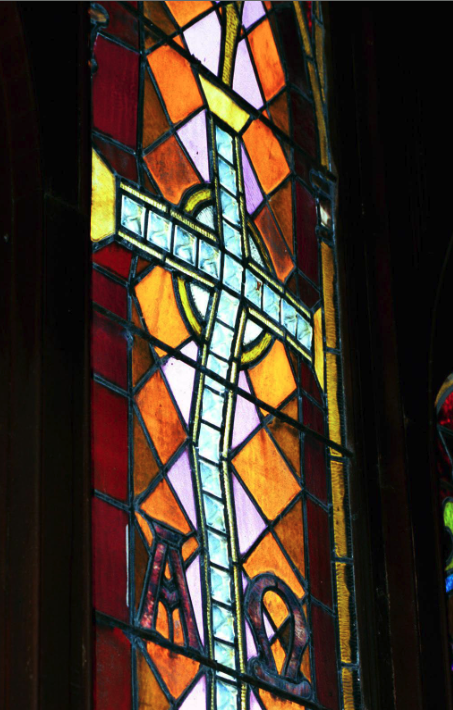
When assessing stained glass windows, note common signs of damage, such as:
- Cracks: Visible fractures that can lead to further deterioration.
- Sagging: A droop in the lead cames that may indicate structural issues.
- Fading: Loss of color or vibrancy caused by environmental exposure.
Early identification of these signs can prevent more extensive deterioration and reduce repair costs.