
Comprehensive Protective Glazing Systems Comparison Guide: Expert Insights and User Benefits
Protective glazing systems play a crucial role in enhancing safety and energy efficiency in buildings. These systems, which include various types of glass and glazing materials, are designed to withstand impacts, resist breakage, and provide thermal insulation. In this comprehensive guide, we will explore the different types of protective glazing systems, their performance characteristics, and the unique benefits they offer. By understanding these systems, you can make informed decisions about which options best suit your needs. We will also delve into the comparison between Klear Flo glazing and traditional materials, compliance standards, energy efficiency, and best practices for installation and maintenance.
What Are the Key Types of Protective Glazing Systems?
Protective glazing systems are essential components in modern architecture, providing safety and energy efficiency. These systems can be categorized into several types, each with distinct characteristics and applications. The primary types include laminated glass, tempered glass, and Klear Flo glazing.
Laminated glass consists of two or more layers of glass bonded together with an interlayer, offering enhanced safety and sound insulation. Tempered glass, on the other hand, is heat-treated to increase its strength and resistance to thermal stress. Klear Flo glazing is a modern alternative that combines the benefits of both laminated and tempered glass, providing superior impact resistance and UV protection.
How Do Laminated and Tempered Glass Differ in Performance?
Laminated glass is designed to hold together when shattered, minimizing the risk of injury from sharp shards. This feature makes it ideal for applications where safety is paramount, such as in skylights and storefronts.
In contrast, tempered glass is known for its strength and thermal resistance. It is less likely to break under stress and, when it does shatter, it breaks into small, blunt pieces, reducing the risk of injury. The choice between laminated and tempered glass depends on the specific safety and performance requirements of the application.
What Defines Traditional Versus Modern Glazing Systems?
Traditional glazing systems typically involve single-pane glass, which offers limited insulation and safety features. Modern glazing systems, however, incorporate advanced technologies and materials to enhance performance. These systems often include double or triple glazing, which improves thermal insulation and energy efficiency.
Modern systems also utilize coatings and interlayers that provide additional benefits, such as UV protection and sound insulation. The shift from traditional to modern glazing systems reflects the growing demand for energy-efficient and safe building materials in contemporary architecture.
How Does Klear Flo Glazing Compare to Traditional Exterior Glazing Materials?
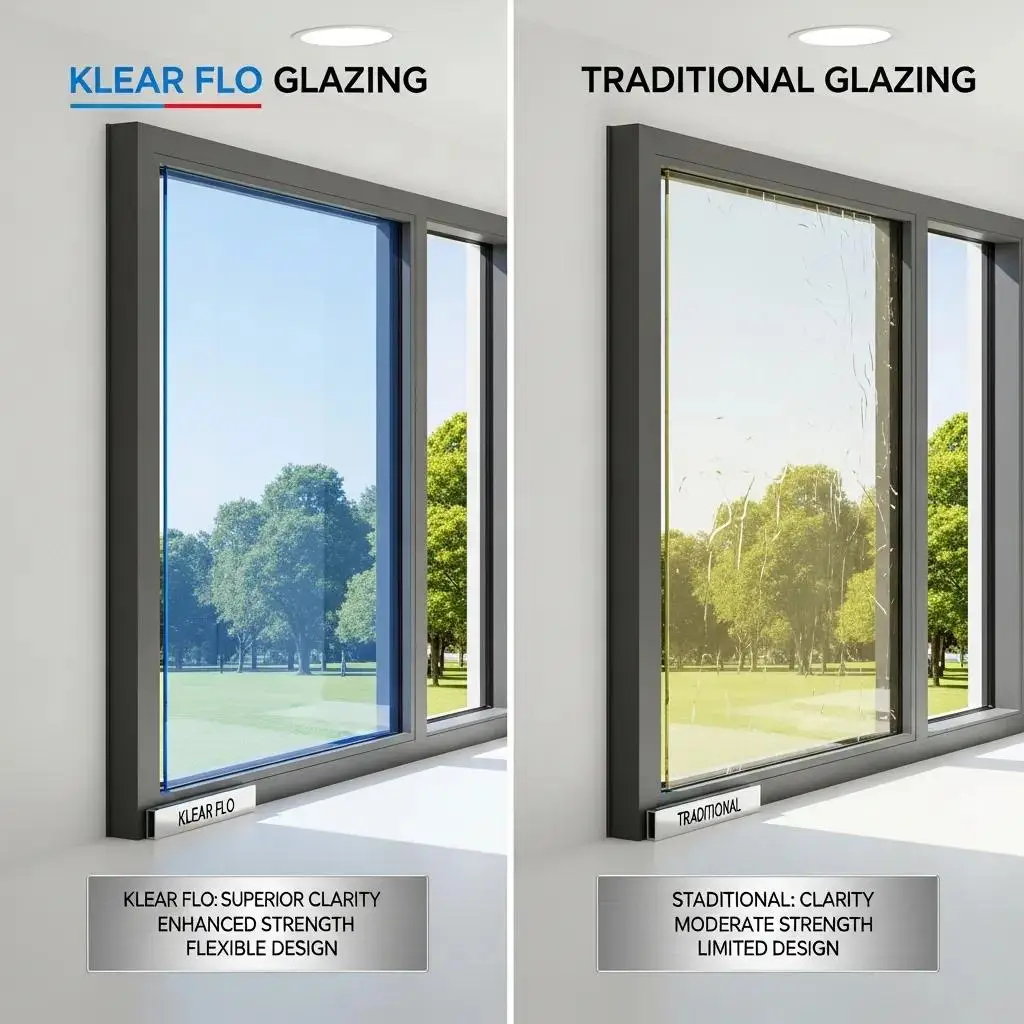
Klear Flo glazing represents a significant advancement in protective glazing technology, offering unique benefits over traditional materials. This innovative glazing solution combines the strength of tempered glass with the safety features of laminated glass, making it an ideal choice for various applications.
Klear Flo glazing is designed to withstand high impacts while providing excellent UV protection, making it suitable for both residential and commercial buildings. Its clarity and aesthetic appeal also make it a popular choice for architects and builders looking to enhance the visual appeal of their projects.
What Are the Unique Benefits of Klear Flo Glazing?
Klear Flo glazing offers several unique benefits that set it apart from traditional glazing materials:
- Enhanced Impact Resistance: Klear Flo’s construction allows it to absorb and dissipate energy from impacts, reducing the likelihood of breakage.
- UV Protection: This glazing effectively blocks harmful UV rays, protecting interiors from fading and damage.
- Energy Efficiency: Klear Flo glazing contributes to better thermal insulation, helping to reduce energy costs in buildings.
These benefits make Klear Flo glazing an attractive option for those seeking both safety and aesthetic appeal in their glazing solutions.
How Does Klear Flo Enhance Impact Resistance and UV Protection?
Klear Flo glazing enhances impact resistance through its unique multi-layer construction, which combines the strength of tempered glass with the safety features of laminated glass. This design allows the glazing to withstand significant force without shattering, making it ideal for high-traffic areas and locations prone to extreme weather conditions.
Additionally, Klear Flo’s UV protection capabilities are achieved through specialized coatings that block harmful rays while allowing natural light to enter. This feature not only protects furnishings and interiors from fading but also contributes to a healthier indoor environment.
How Do Protective Glazing Systems Perform in Terms of Energy Efficiency and Environmental Impact?
Energy efficiency is a critical consideration in the selection of protective glazing systems. These systems can significantly impact a building’s overall energy consumption and environmental footprint.
Modern glazing solutions, such as Klear Flo, are designed to enhance thermal insulation, reducing the need for heating and cooling. This efficiency not only lowers energy costs but also contributes to a more sustainable building environment.
What Energy Efficiency Features Differentiate Glazing Materials?
Different glazing materials offer varying levels of energy efficiency based on their construction and coatings. Key features that differentiate these materials include:
- Insulating Properties: Double or triple-glazing provides superior insulation compared to single-pane glass.
- Low-E Coatings: These coatings reflect heat while allowing natural light to pass through, improving energy efficiency.
- Gas Fills: Argon or krypton gas fills between panes enhance thermal performance by reducing heat transfer.
These features contribute to the overall energy efficiency of protective glazing systems, making them a vital component in sustainable building practices.
The importance of thermal and optical performance in windows for overall building sustainability and energy efficiency cannot be overstated, as studies consistently highlight their significant impact on energy consumption.
Thermal & Optical Performance of Building Windows
Windows not only mediate thermal transfer, light transmission, noise control, and natural ventilation but also serve as an architectural element affecting a structure’s aesthetics and appearance. Since the glazed window was first developed in Egypt in 100 AD, the thermal and optical performance of windows have been primary concerns for architects, engineers, and researchers. Today, windows are of special note because of their relationship to building sustainability and energy-efficient design. According to recent National Fenestration Rating Council reports, due to the relatively lower thermal insulation among all building envelope components, windows are normally responsible for 25–30% of the total heating, ventilation, and air conditioning energy use.
Research methods for assessing the thermal and optical performance of building windows, Y Zhao, 2021
How Do Protective Glazing Systems Contribute to Sustainable Building Practices?
Protective glazing systems play a significant role in sustainable building practices by improving energy efficiency and reducing environmental impact. By minimizing energy consumption for heating and cooling, these systems help lower greenhouse gas emissions associated with building operations.
Additionally, many modern glazing materials are manufactured using sustainable practices, further enhancing their environmental benefits. The integration of energy-efficient glazing systems is a key strategy for achieving green building certifications and promoting sustainability in construction.
What Are the Best Practices for Installation and Maintenance of Protective Glazing Systems?
Proper installation and maintenance of protective glazing systems are essential for ensuring their long-term performance and safety. Following best practices can help maximize the benefits of these systems while minimizing potential issues.
Key installation practices include ensuring proper sealing, alignment, and support for glazing units. Regular maintenance, such as cleaning and inspection, is also crucial for maintaining the integrity and performance of the glazing systems.
Which Installation Methods Optimize Durability and Safety?
To optimize durability and safety, several installation methods are recommended:
- Professional Installation: Engaging experienced professionals ensures that glazing systems are installed correctly and meet safety standards.
- Proper Sealing: Using high-quality sealants prevents moisture intrusion and enhances the longevity of the glazing.
- Support Structures: Adequate support structures are essential to prevent stress on the glazing and ensure stability.
These methods contribute to the overall effectiveness and safety of protective glazing systems, ensuring they perform as intended over time.
What Maintenance Procedures Ensure Long-Term Performance?
Regular maintenance is vital for the long-term performance of protective glazing systems. Recommended procedures include:
- Routine Cleaning: Keeping glazing surfaces clean prevents buildup that can affect visibility and performance.
- Inspection for Damage: Regularly checking for cracks or other damage allows for timely repairs, preventing further issues.
- Sealant Replacement: Periodically replacing sealants ensures continued protection against moisture and air infiltration.
By following these maintenance procedures, property owners can extend the lifespan of their protective glazing systems and maintain their performance over time.