Comprehensive Guide to Protective Glazing Installation and Detailing for Secure and Weatherproof Glass Panels
Protective glazing is essential in modern construction, providing safety, security, and weather resistance for glass panels. This comprehensive guide explores the various types of protective glazing, their installation methods, and detailing techniques that ensure optimal performance. Readers will learn about laminated, tempered, and security glass, as well as the best practices for installation and weatherproofing. Many construction projects face challenges related to safety standards and environmental factors, making effective glazing solutions crucial. This article will cover key types of protective glazing, installation methods, frame detailing, weatherproofing solutions, and compliance with safety standards.
What Are the Key Types of Protective Glazing and Their Features?
Protective glazing encompasses various glass types designed to enhance safety and durability in buildings. Each type has unique features that cater to specific needs in construction. Understanding these types is vital for selecting the right glazing for a project. The primary types of protective glazing include laminated glass, tempered glass, and security glass, each offering distinct advantages in terms of impact resistance and safety.
How Do Laminated, Tempered, and Security Glass Differ in Protective Qualities?
Laminated glass consists of two or more layers of glass bonded with an interlayer, providing excellent sound insulation and UV protection. It remains intact when shattered, reducing the risk of injury. Tempered glass, on the other hand, is heat-treated to increase its strength, making it more resistant to thermal stress and impact. When broken, it shatters into small, blunt pieces, minimizing injury risk. Security glass combines multiple layers of glass and polycarbonate materials, offering superior protection against forced entry and vandalism. Each type serves different applications, from residential windows to commercial storefronts.
Which Glass Types Meet Current Safety and Impact Resistance Standards?
Current safety standards for protective glazing include ASTM E1300 and ANSI Z97.1, which outline the performance criteria for impact resistance. Laminated and tempered glass types typically meet these standards, ensuring they can withstand various environmental stresses. Compliance with these standards is crucial for ensuring the safety and longevity of glazing installations, making it essential for architects and builders to select appropriate glass types for their projects.
What Are the Best Installation Methods for Protective Glass Panels?
Effective installation methods are critical for ensuring the performance and longevity of protective glazing. Proper techniques not only enhance the aesthetic appeal of the installation but also ensure safety and durability. Various methods exist, each tailored to specific glass types and installation environments. Understanding these methods is essential for achieving optimal results in protective glazing projects.
Which Techniques Ensure Secure and Durable Laminated Glass Fitting?
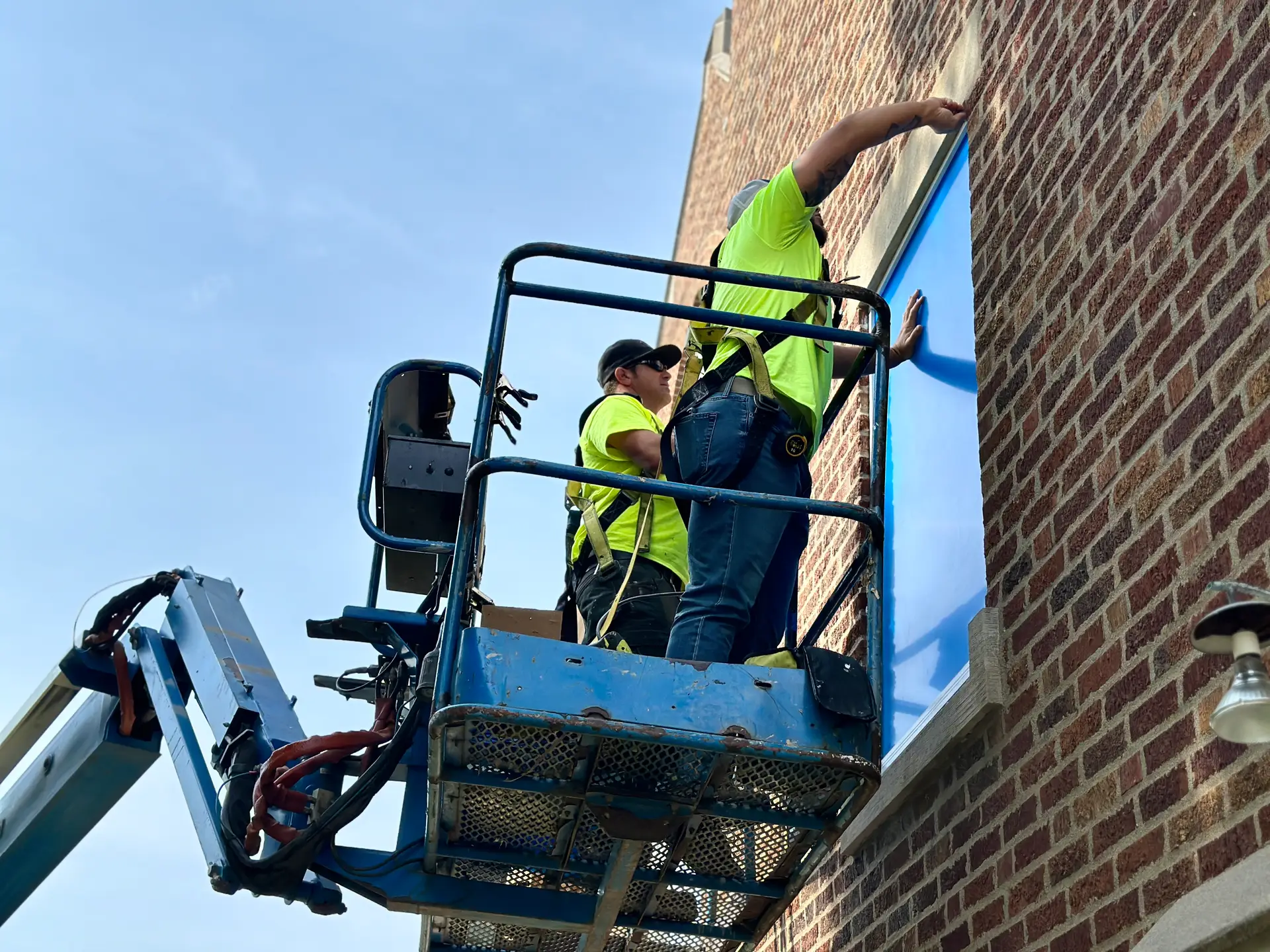
To ensure secure and durable laminated glass fitting, installers should follow specific techniques. First, proper measurements must be taken to ensure a precise fit within the frame. Next, using high-quality adhesives and sealants is crucial for bonding the glass to the frame securely. Additionally, employing appropriate hardware, such as brackets and anchors, can enhance stability. Regular inspections during installation help identify potential issues early, ensuring a successful outcome.
How Do Installation Tools and Procedures Enhance Safety and Precision?
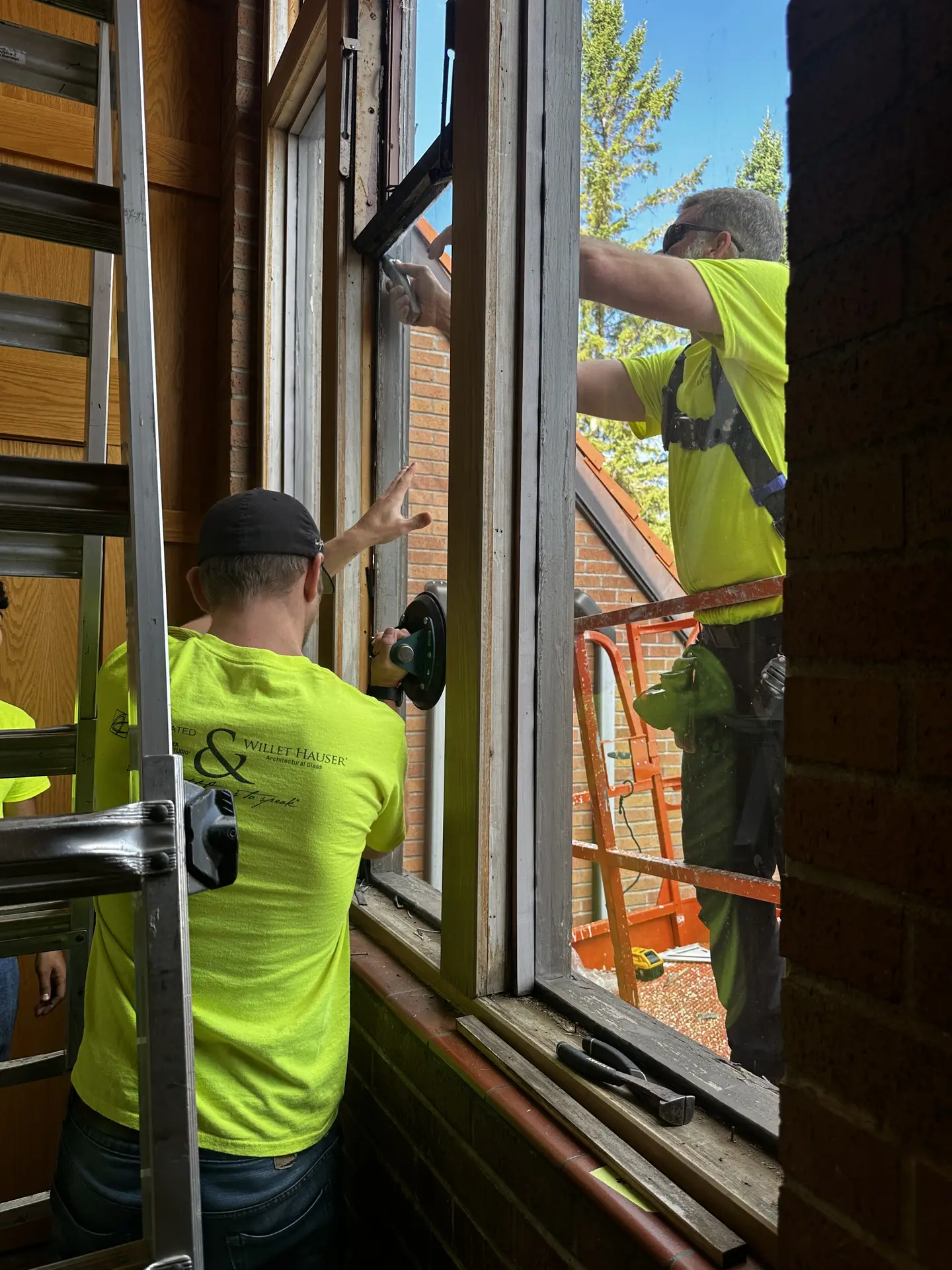
The right tools and procedures significantly enhance the safety and precision of glass installations. Essential tools include glass cutters, suction cups, and safety gear such as gloves and goggles. Following established procedures, such as using a two-person team for handling large panels, minimizes the risk of accidents. Additionally, training installers in proper lifting techniques and safety protocols ensures that installations are completed efficiently and safely.
How Should Exterior Window Frames Be Detailed for Optimal Protective Glazing Performance?
Detailing exterior window frames is crucial for maximizing the performance of protective glazing. Proper frame design and installation techniques can prevent issues such as water infiltration and thermal bridging. Understanding the essential components of window frames and their interaction with glazing systems is vital for achieving optimal results.
What Are the Essential Components of Thermal Break and Weatherproof Frame Systems?
Thermal break systems are designed to reduce heat transfer between the interior and exterior of a building. Essential components include insulated frame materials and thermal barriers that minimize energy loss. Weatherproof frame systems incorporate gaskets and sealants to prevent water infiltration, ensuring the longevity of the glazing installation. Properly detailing these components enhances the overall performance of protective glazing systems.
How Do Frame Detailing Techniques Prevent Water Infiltration and Enhance Durability?
Effective frame detailing techniques play a significant role in preventing water infiltration and enhancing durability. Techniques such as sloped sills and proper drainage channels direct water away from the frame, reducing the risk of leaks. Additionally, using high-quality sealants and gaskets ensures a tight fit between the frame and glazing, further preventing moisture intrusion. These practices contribute to the longevity and performance of protective glazing installations.
Which Weatherproofing Solutions Are Most Effective for Protective Glazing Installations?
Weatherproofing is essential for ensuring the longevity and performance of protective glazing installations. Various solutions are available, each designed to address specific environmental challenges. Understanding these solutions and their application methods is crucial for achieving optimal results in glazing projects.
How Do Sealants and Gaskets Contribute to Long-Term Weather Resistance?
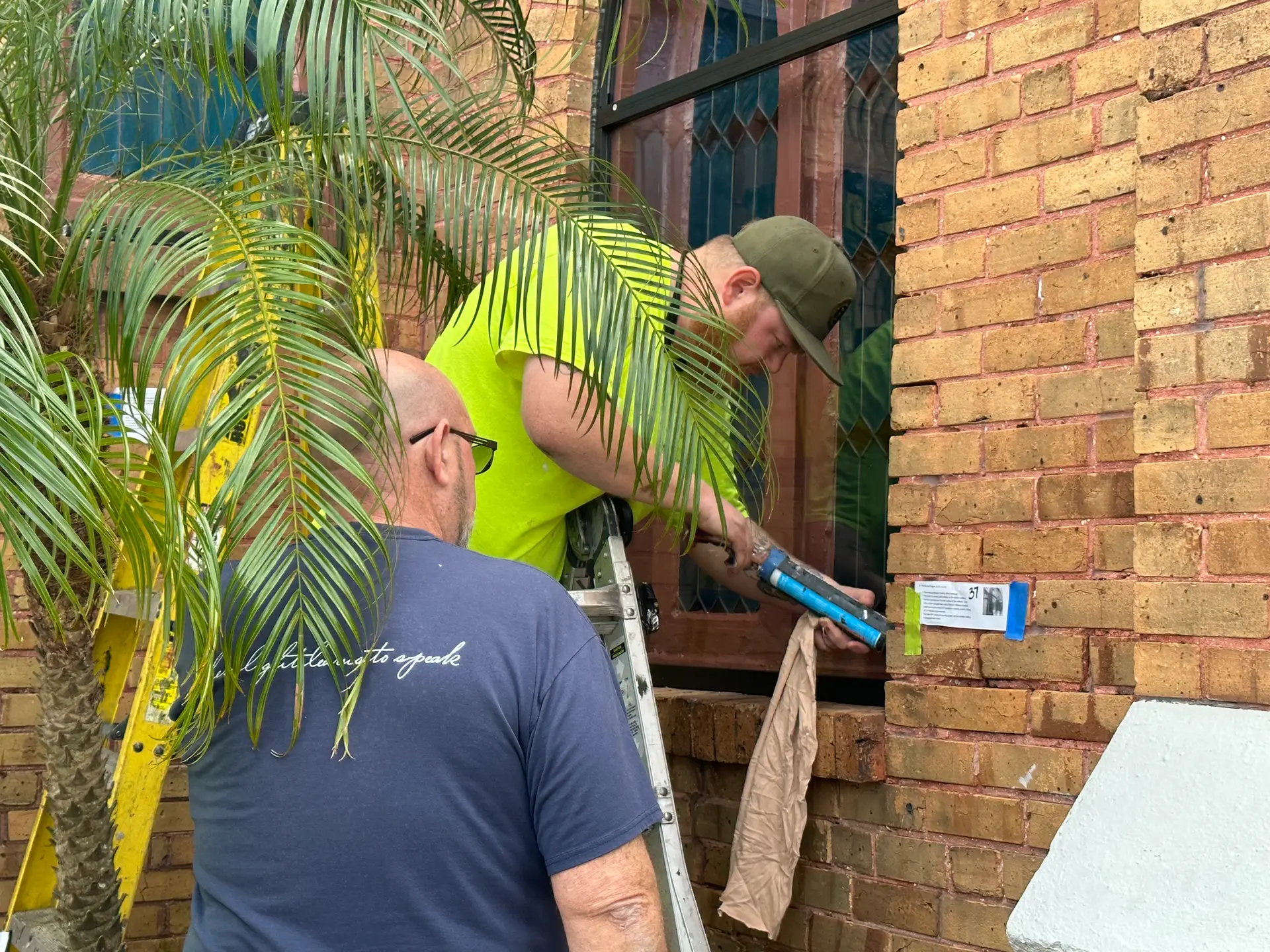
Sealants and gaskets are critical components in weatherproofing protective glazing installations. Sealants provide a flexible barrier that prevents water and air infiltration, while gaskets create a tight seal between the glass and frame. High-quality materials, such as silicone and polyurethane, offer excellent durability and resistance to environmental factors. Proper application techniques ensure that these materials perform effectively over time, contributing to the overall weather resistance of the installation.
What Are the Best Practices for Applying Weatherproofing Materials in Glazing Systems?
Applying weatherproofing materials requires careful attention to detail to ensure effectiveness. Best practices include cleaning surfaces thoroughly before application, using the right amount of sealant, and ensuring proper curing times. Additionally, installers should regularly inspect weatherproofing materials for signs of wear or damage, allowing for timely maintenance and repairs. Following these practices helps maintain the integrity of protective glazing installations.
What Compliance and Safety Standards Govern Protective Glazing Installation and Detailing?
Compliance with safety standards is essential for ensuring the safety and performance of protective glazing installations. Various regulations govern the installation and detailing of glazing systems, making it crucial for installers to stay informed about current requirements. Understanding these standards helps ensure that installations meet safety and performance criteria.
Which Industry Certifications and Regulations Must Installers Adhere To?
Installers must adhere to several industry certifications and regulations, including the International Building Code (IBC) and the National Glass Association (NGA) guidelines. These standards outline the requirements for materials, installation techniques, and safety measures. Compliance with these regulations not only ensures the safety of the installation but also protects the interests of building owners and occupants.
How Do Recent Standards Influence Material Selection and Installation Techniques?
Recent standards have evolved to address emerging safety concerns and technological advancements in glazing materials. Installers must stay updated on these changes to ensure compliance and optimal performance. For instance, the introduction of new impact resistance ratings has influenced the selection of glass types and installation methods. Adapting to these standards is essential for maintaining the integrity and safety of protective glazing installations.