Protective Glazing: Preserving Heritage and Enhancing Efficiency
Protective glazing plays a crucial role in preserving the integrity of historic windows while enhancing energy efficiency. As heritage buildings face the challenges of environmental exposure and energy demands, protective glazing systems offer a solution that balances preservation with modern needs. This article delves into the various types of protective glazing, their benefits, and best practices for selection and maintenance. Readers will learn about the mechanisms that protect historic windows, the latest innovations in UV protective glazing, and how these solutions comply with conservation standards. By understanding these aspects, property owners and conservators can make informed decisions that ensure the longevity and aesthetic value of historic windows.
What Are Protective Glazing Systems and Their Role in Heritage Window Protection?
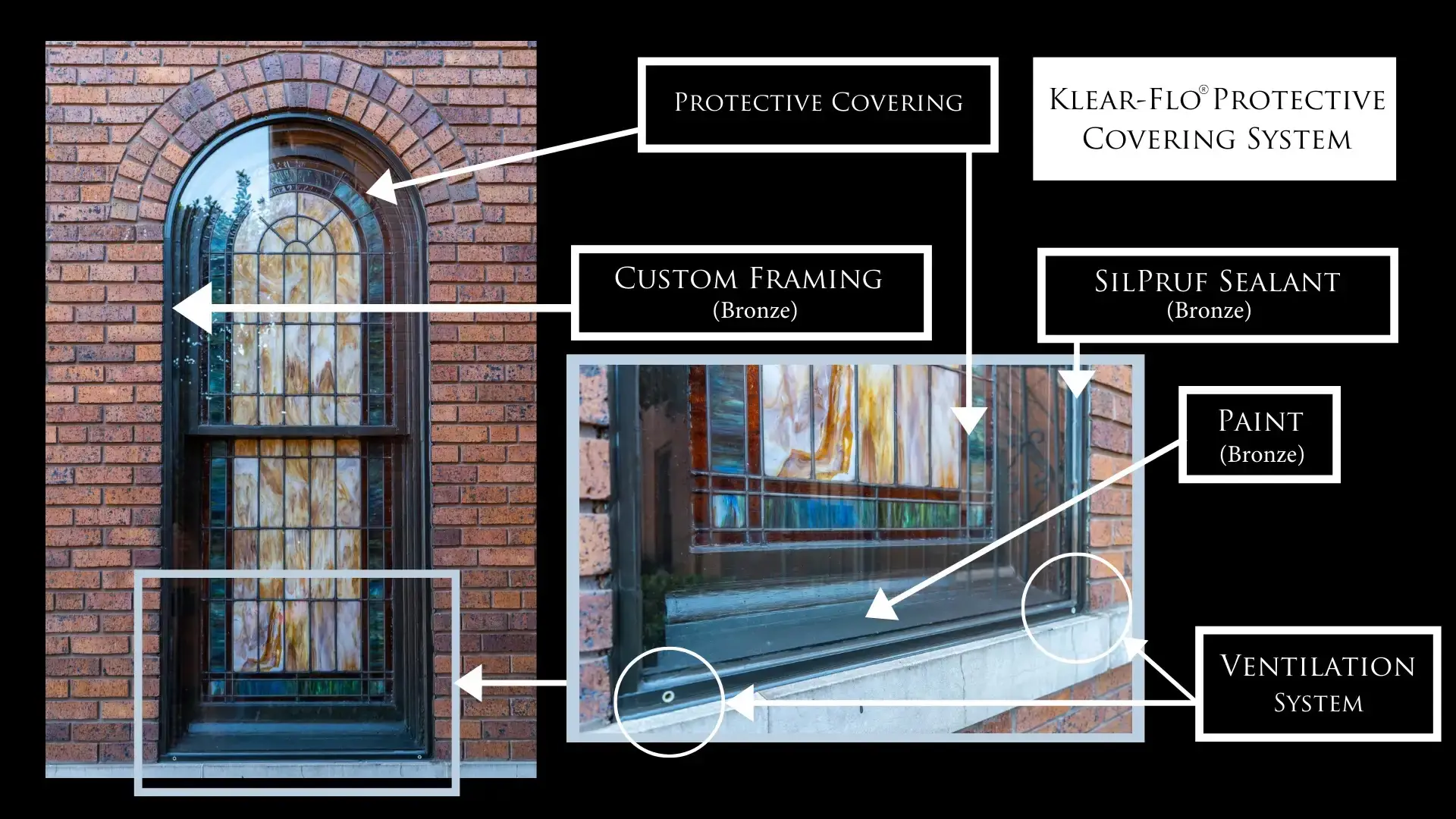
Protective glazing systems are specialized installations designed to safeguard historic windows from environmental damage while maintaining their aesthetic appeal. These systems serve as a barrier against weather elements, UV radiation, and physical impacts, ensuring that the original materials remain intact. By utilizing various types of glazing, such as laminated glass and secondary glazing, these systems enhance the durability and energy efficiency of historic windows. The integration of protective glazing is essential for heritage conservation, as it allows for the preservation of architectural integrity while adapting to modern energy standards.
How Does Protective Glazing Preserve Historic Window Integrity?
Protective glazing preserves the integrity of historic windows by acting as a shield against harmful external factors. The primary mechanism involves the use of materials that absorb or reflect UV rays, preventing sun damage to the window frames and glass. Additionally, protective glazing minimizes thermal stress, which can lead to cracking and deterioration of original materials. By employing techniques such as laminated glass, which consists of multiple layers, the structural integrity of the windows is maintained, ensuring that they withstand the test of time.
What Materials and Types Are Used in Conservation Window Glazing Solutions?
Conservation window glazing solutions utilize a variety of materials tailored to meet the specific needs of historic windows. Common materials include laminated glass, which provides enhanced safety and UV protection, and low-emissivity (low-E) glass, which improves thermal insulation. Secondary glazing is another popular option, offering an additional layer of protection without compromising the original window’s appearance. The selection of materials is critical, as they must align with conservation standards while providing the necessary protection and energy efficiency.
How Does Secondary Glazing Enhance Energy Efficiency and Acoustic Insulation in Historic Windows?
Secondary glazing significantly enhances the energy efficiency and acoustic insulation of historic windows. By adding an extra layer of glazing, secondary systems create an insulating air gap that reduces heat loss and minimizes noise pollution. This dual-layer approach not only improves comfort within the building but also contributes to energy savings by reducing heating and cooling demands. As a result, secondary glazing is an effective solution for maintaining the historical character of buildings while addressing modern energy efficiency requirements.
What Are the Benefits of Secondary Glazing for Historic Window Restoration?
- Energy Savings: By reducing heat loss, secondary glazing can lower energy bills significantly.
- Noise Reduction: The additional layer of glass acts as a sound barrier, enhancing indoor comfort.
- Preservation of Aesthetics: Secondary glazing can be designed to match the original window style, ensuring that the building’s historical character is maintained.
These advantages make secondary glazing a valuable option for property owners looking to restore and preserve historic windows.
Secondary Glazing for Historic Buildings: Energy Efficiency and Preservation
Secondary glazing is an effective way to enhance the thermal performance and energy efficiency of heritage buildings without compromising their historical and architectural significance. While cost-effective over time, the upfront expense can be substantial. Alternatively, replacing the original single glazing with thin, high-performance double glazing may be considered.
Energy Saving Potential of Secondary Glazing in Heritage Buildings, S Roels, 2025
How Is Secondary Glazing Installed to Comply with Heritage Conservation Standards?
- Assessment of Existing Windows: Evaluating the condition and historical significance of the original windows.
- Selection of Appropriate Glazing: Choosing materials that align with conservation guidelines while providing the necessary performance.
- Professional Installation: Engaging skilled professionals who understand the nuances of working with historic structures to ensure that the installation does not compromise the original window’s integrity.
By adhering to these steps, property owners can successfully integrate secondary glazing while respecting the heritage of their buildings.
What Are the Latest Innovations in UV Protective Glazing for Historic Buildings?
Recent advancements in UV protective glazing have introduced innovative solutions for safeguarding historic windows from sun damage. These innovations include the development of advanced coatings that enhance UV protection without compromising visibility. Additionally, new materials are being engineered to provide better thermal performance while maintaining the aesthetic qualities of traditional glazing. These innovations not only protect the integrity of historic windows but also contribute to energy efficiency, making them a vital consideration for conservation efforts.
How Does UV Protective Glazing Protect Historic Window Materials from Sun Damage?
UV protective glazing works by filtering out harmful ultraviolet rays that can cause fading and deterioration of window materials. The coatings applied to the glass effectively block a significant percentage of UV radiation, thereby preserving the color and structural integrity of the original materials. This protective measure is essential for maintaining the aesthetic appeal of historic windows, ensuring that they remain vibrant and intact over time.
Which UV Protective Glazing Products Meet Updated Conservation Regulations?
- Low-E Coated Glass: Offers excellent UV protection while enhancing thermal performance.
- Laminated Glass with UV Filters: Combines safety with UV protection, making it ideal for historic applications.
- Specialized UV Films: Can be applied to existing glass to enhance UV protection without replacing the original windows.
These products are designed to align with conservation goals while providing the necessary protection for historic windows.
How Do Conservation Window Glazing Solutions Comply with Regulatory and Heritage Conservation Standards?
Conservation window glazing solutions must adhere to various regulatory and heritage conservation standards to ensure that they protect both the building’s integrity and its historical significance. Compliance involves understanding the specific guidelines set forth by local heritage organizations and building codes, which dictate the materials and methods that can be used in restoration projects.
What Are the Key Conservation Standards for Protective Glazing in Listed Buildings?
- Material Compatibility: Glazing materials must be compatible with the original window materials to prevent damage.
- Aesthetic Preservation: Solutions should maintain the visual appearance of the original windows.
- Reversibility: Any modifications made should be reversible, allowing for future restoration if necessary.
These standards ensure that protective glazing solutions enhance the building’s longevity without compromising its historical value.
How Do Glazing Solutions Align with Updated Building Regulations and Sustainability Goals?
- Energy Efficiency: Incorporating materials that improve thermal performance and reduce energy consumption.
- Sustainable Materials: Utilizing eco-friendly materials that minimize environmental impact.
- Compliance with Modern Standards: Ensuring that all glazing solutions meet current building codes and sustainability benchmarks.
By focusing on these aspects, glazing solutions can contribute to both heritage preservation and modern sustainability efforts.
What Are the Best Practices for Selecting and Maintaining Protective Glazing for Historic Windows?
Selecting and maintaining protective glazing for historic windows involves several best practices that ensure optimal performance and longevity. Property owners should consider factors such as the type of glazing, installation methods, and ongoing maintenance requirements to achieve the best results.
How to Choose the Right Protective Glazing System for Different Historic Window Types?
- Window Style: The glazing system should complement the architectural style of the window.
- Material Compatibility: Ensure that the glazing materials are compatible with the original window materials.
- Performance Requirements: Assess the energy efficiency and UV protection needs based on the building’s location and exposure.
By evaluating these factors, property owners can select a protective glazing system that enhances both functionality and aesthetics.
What Maintenance Procedures Ensure Longevity and Performance of Protective Glazing?
- Routine Inspections: Regularly check for signs of wear or damage to the glazing system.
- Cleaning: Use appropriate cleaning methods to maintain clarity and prevent buildup of dirt or debris.
- Repairs: Address any issues promptly to prevent further damage and maintain the effectiveness of the glazing.
Implementing these maintenance practices will help preserve the integrity and performance of protective glazing systems over time.
Can Case Studies Demonstrate the Effectiveness of Protective Glazing in Heritage Window Preservation?
Case studies provide valuable insights into the effectiveness of protective glazing in preserving heritage windows. These real-world examples illustrate the benefits and challenges associated with various glazing solutions.
What Recent Projects Showcase Successful Protective Glazing Installations?
Recent projects have demonstrated the successful implementation of protective glazing in historic buildings. For instance, a restoration project at a 19th-century mansion utilized laminated glass to enhance safety and UV protection while maintaining the original aesthetic. The results showed significant improvements in energy efficiency and reduced maintenance needs.
How Have Protective Glazing Solutions Improved Energy Efficiency and Conservation Outcomes?
Protective glazing solutions have led to notable improvements in energy efficiency and conservation outcomes. Buildings that have integrated these systems report reduced energy consumption, lower heating and cooling costs, and enhanced occupant comfort. These outcomes highlight the importance of protective glazing in modern heritage conservation efforts, ensuring that historic windows can meet contemporary energy standards while preserving their historical significance.