Comprehensive Protective Glazing Costs, Lifespan, and ROI Analysis for Informed Investment Decisions
Protective glazing is an essential component in modern construction, providing safety, energy efficiency, and aesthetic appeal. This article delves into the costs associated with various protective glazing materials, their expected lifespan, and the return on investment (ROI) for installations. Understanding these factors is crucial for making informed decisions, especially for property owners and builders looking to enhance security and energy efficiency. We will explore the different types of protective glazing materials, installation and maintenance costs, lifespan expectations, ROI calculations, and the environmental benefits of these solutions. By the end of this article, readers will gain a comprehensive understanding of protective glazing and its financial implications.
What Are the Key Protective Glazing Material Types and Their Cost Implications?
Protective glazing materials vary significantly in type and cost, each offering unique benefits and applications. The primary types include laminated glass, tempered glass, and protective films. Each material has distinct characteristics that influence its cost and suitability for different projects. Understanding these materials helps in selecting the right option based on budget and performance needs.
How Do Laminated and Tempered Glass Differ in Durability and Price?
Laminated glass consists of two or more layers of glass bonded with an interlayer, providing enhanced safety and sound insulation. It is generally more expensive than tempered glass, which is made by heating and rapidly cooling the glass to increase its strength. While tempered glass is more resistant to impact, laminated glass offers superior protection against shattering and UV rays. The choice between these materials often depends on the specific safety requirements and budget constraints of a project.
What Are the Latest 2023-2024 Cost Trends for Protective Glazing Materials?
Recent market trends indicate a steady increase in the costs of protective glazing materials due to rising raw material prices and increased demand for energy-efficient solutions. Laminated glass prices have seen a notable rise, while tempered glass remains relatively stable. The market is also witnessing a growing interest in sustainable materials, which may influence future pricing dynamics. Understanding these trends is vital for budgeting and planning in construction projects.
How Are Installation and Maintenance Costs Structured for Protective Glazing?
Installation and maintenance costs are critical factors in the overall expense of protective glazing. These costs can vary widely based on the type of material, the complexity of the installation, and the specific site conditions. Proper budgeting for these expenses ensures that projects remain financially viable and that the benefits of protective glazing are fully realized.
What Factors Influence Installation Expenses for Protective Glazing?
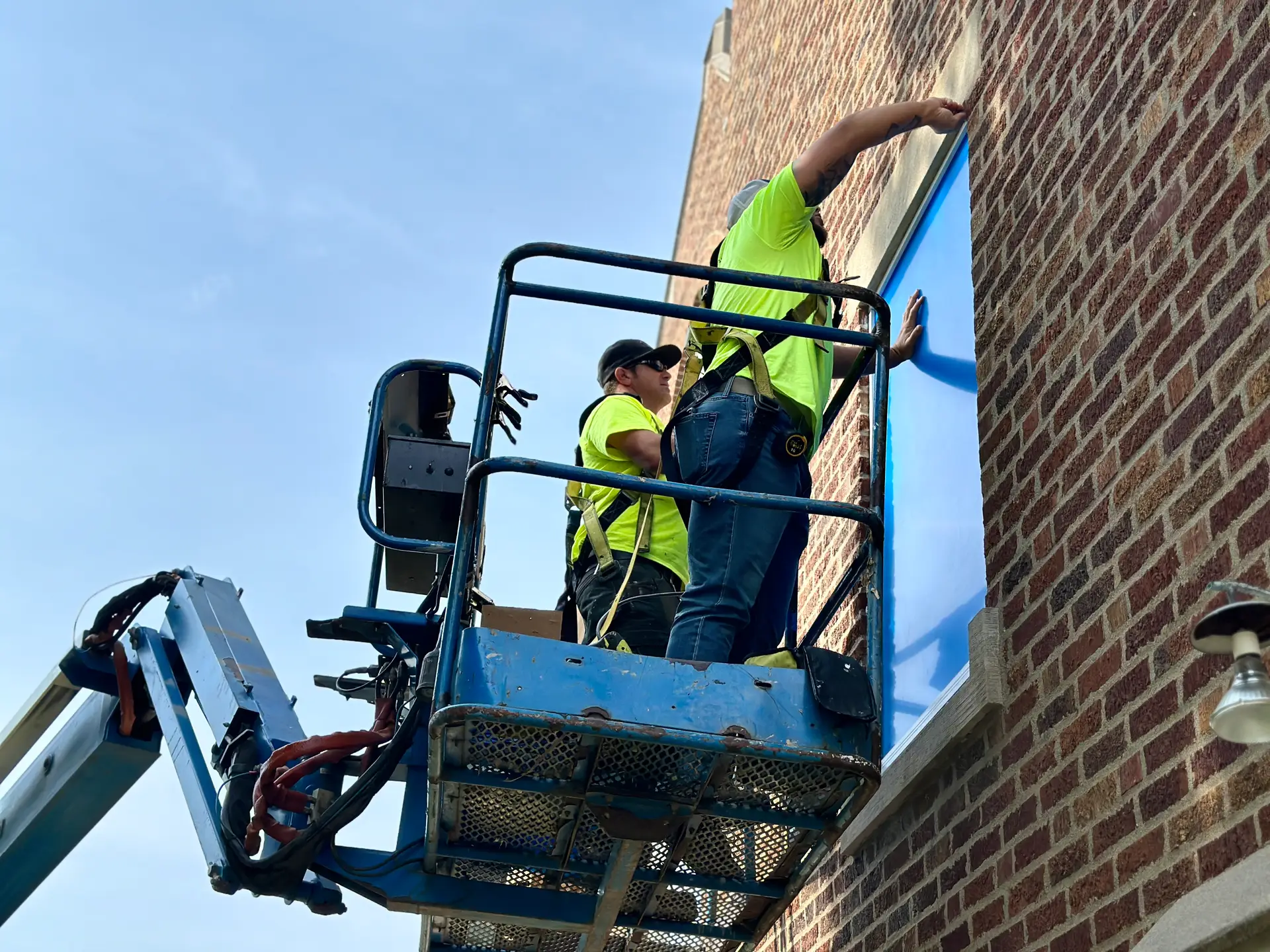
Several factors influence the installation costs of protective glazing, including:
- Material Type: Different materials have varying installation requirements and costs.
- Labor Costs: Skilled labor is often necessary for proper installation, impacting overall expenses.
- Site Conditions: Unique site challenges, such as height or accessibility, can increase installation costs.
Understanding these factors helps in accurately estimating the total investment required for protective glazing projects.
What Are Typical Maintenance Schedules and Associated Costs?
Regular maintenance is essential for ensuring the longevity and performance of protective glazing. Typical maintenance schedules may include:
- Annual Inspections: Checking for damage and ensuring seals are intact.
- Cleaning: Regular cleaning to maintain clarity and performance.
- Repairs: Addressing any issues promptly to prevent further damage.
The associated costs can vary, but budgeting for maintenance is crucial to maximize the lifespan and effectiveness of protective glazing installations.
What Is the Expected Lifespan and Durability of Protective Glazing Materials?
The lifespan of protective glazing materials is influenced by their composition, environmental factors, and usage conditions. Understanding these aspects is essential for making informed decisions regarding material selection and investment.
How Do Material Properties Affect Protective Glazing Longevity?
Material properties play a significant role in determining the longevity of protective glazing. For instance, laminated glass typically has a longer lifespan due to its layered structure, which provides additional protection against environmental stressors. In contrast, tempered glass, while strong, may be more susceptible to thermal stress and impact damage over time. Evaluating these properties helps in selecting the most durable option for specific applications.
What Case Studies Demonstrate Protective Glazing Lifespan Extensions?
Several case studies highlight the extended lifespan of protective glazing when properly maintained. For example, buildings that utilize laminated glass have reported minimal degradation over 15-25 years, demonstrating the effectiveness of this material in various climates. These real-world examples underscore the importance of selecting high-quality materials and adhering to maintenance schedules to maximize longevity.
How Is Return on Investment Calculated for Protective Glazing Installations?
Calculating the ROI for protective glazing installations involves assessing both the initial costs and the long-term benefits. This analysis is crucial for property owners and investors looking to justify their expenditures.
What Are the Common ROI Calculation Models for Protective Glazing?
Common models for calculating ROI include:
- Payback Period: The time it takes for the investment to pay for itself through savings.
- Net Present Value (NPV): The difference between the present value of cash inflows and outflows over time.
- Return on Investment Ratio: A straightforward calculation of the profit relative to the investment cost.
These models provide valuable insights into the financial viability of protective glazing projects.
How Do Energy Savings and Maintenance Reduction Impact ROI?
Energy savings and reduced maintenance costs significantly enhance the ROI of protective glazing installations. For instance, energy-efficient glazing can lower heating and cooling costs, while durable materials reduce the frequency and cost of repairs. By quantifying these savings, property owners can better understand the financial benefits of their investments.
What Are the Environmental and Energy Savings Benefits of Protective Glazing?
Protective glazing not only enhances safety but also contributes to environmental sustainability. The energy savings associated with these materials can lead to reduced carbon footprints and lower utility bills.
How Does Protective Glazing Contribute to Energy Efficiency and Cost Reduction?
Protective glazing improves energy efficiency by minimizing heat transfer, which can significantly reduce heating and cooling costs. This efficiency translates into lower energy bills and a smaller environmental impact, making it an attractive option for eco-conscious builders and property owners.
What Are the Long-Term Cost Benefits of Sustainable Glazing Solutions?
Investing in sustainable glazing solutions can yield long-term cost benefits, including:
- Lower Energy Costs: Enhanced insulation properties lead to reduced energy consumption.
- Increased Property Value: Energy-efficient buildings often command higher market prices.
- Tax Incentives: Many regions offer tax benefits for energy-efficient upgrades.
These factors make sustainable protective glazing a wise investment for the future.
How Can Life Cycle Cost Analysis Enhance Decision-Making for Protective Glazing Investments?
Life cycle cost analysis (LCCA) is a valuable tool for evaluating the total cost of ownership of protective glazing materials. This approach considers all costs associated with a product over its entire lifespan, providing a comprehensive view of its financial implications.
What Methodologies Are Used in Life Cycle Cost Analysis for Glazing?
Common methodologies for LCCA include:
- Net Present Value Analysis: Discounting future costs and savings to present value.
- Cost-Benefit Analysis: Comparing total costs against expected benefits.
- Sensitivity Analysis: Assessing how changes in assumptions impact overall costs.
These methodologies help stakeholders make informed decisions regarding protective glazing investments.
How Does Life Cycle Costing Compare Different Protective Glazing Options?
Life cycle costing allows for a comparative analysis of different protective glazing options based on their total costs and benefits. By evaluating factors such as initial costs, maintenance, and energy savings, decision-makers can select the most cost-effective solution for their needs.