
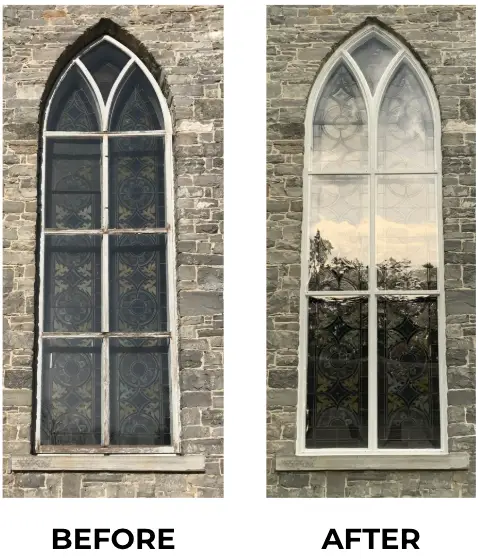
Case Studies: Real-World Protective Glazing Results
Protective glazing is a critical component in modern architecture, providing enhanced safety, energy efficiency, and aesthetic appeal. This article delves into the various aspects of protective glazing, including its benefits, installation methodologies, and case studies that highlight its effectiveness. Readers will gain insights into how protective glazing can significantly improve the durability and safety of exterior installations. As urban environments evolve, the need for robust protective measures becomes increasingly vital, making this topic relevant for architects, builders, and property owners alike. We will explore the key benefits of protective glazing, examine successful installation examples, analyze project outcomes, and discuss emerging trends in the industry.
What Are the Key Benefits of Protective Glazing in Exterior Installations?
Protective glazing offers numerous advantages that enhance the safety and functionality of buildings. By incorporating advanced materials and technologies, protective glazing systems provide improved impact resistance, energy efficiency, and aesthetic value. These benefits are crucial for both residential and commercial properties, ensuring that structures can withstand environmental challenges while maintaining their visual appeal.
- Enhanced Safety and Security: Protective glazing significantly reduces the risk of injury from shattered glass during extreme weather events or accidents. This is particularly important in high-traffic areas where safety is a primary concern.
- Improved Energy Efficiency: Many protective glazing systems are designed to minimize heat transfer, leading to reduced energy costs for heating and cooling. This not only benefits the environment but also enhances the comfort of occupants.
- Increased Property Value: Properties equipped with high-quality protective glazing often see an increase in market value due to their enhanced safety features and energy efficiency.
For those looking to implement protective glazing solutions, it is essential to consider the specific materials and technologies that can optimize these benefits.
How Does Protective Glazing Enhance Impact Resistance and Durability?
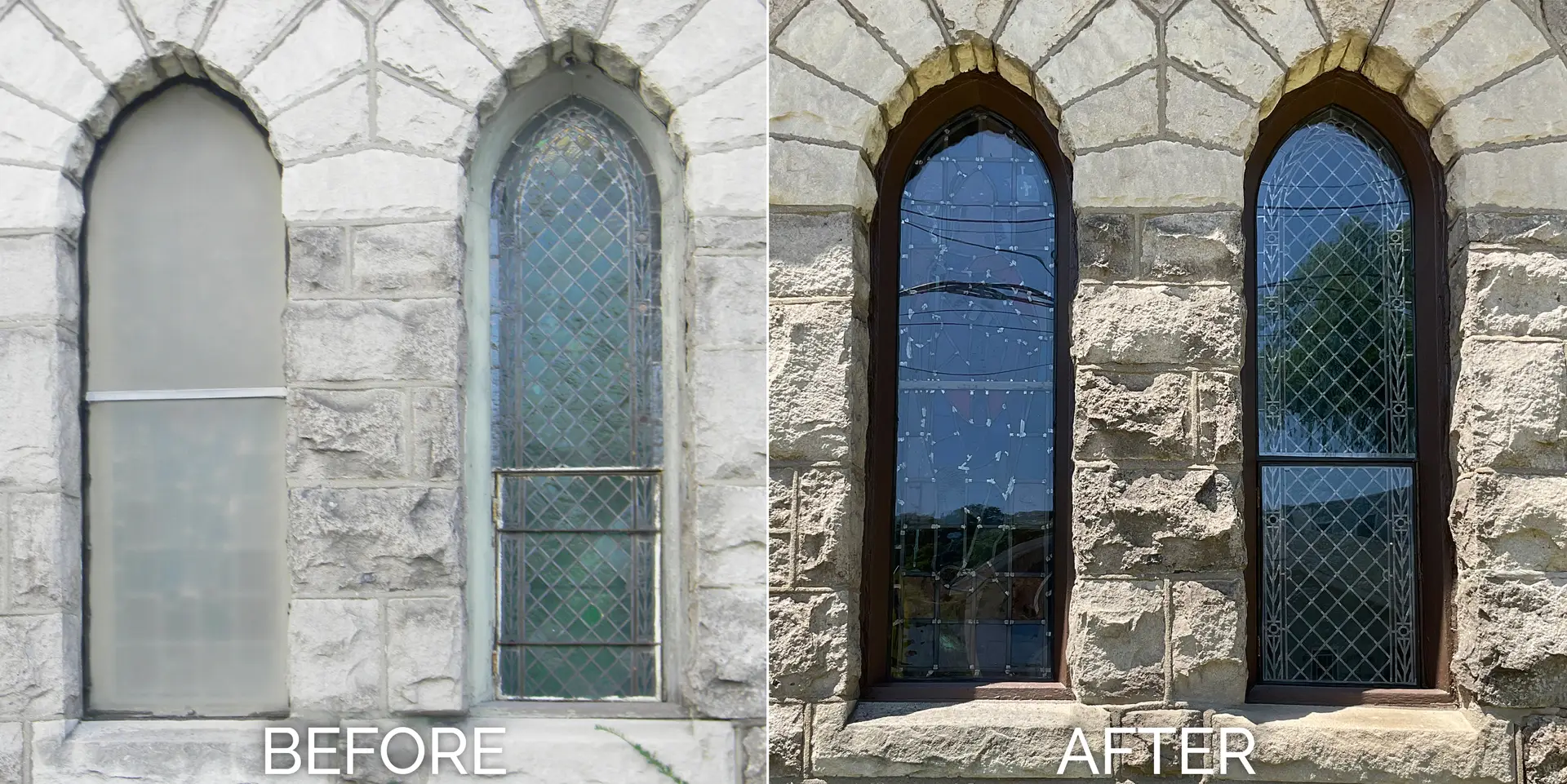
Protective glazing enhances impact resistance through the use of specialized materials such as laminated and tempered glass. Laminated glass consists of multiple layers of glass bonded with a polymer interlayer, which holds the glass together even when shattered. This feature is crucial for maintaining safety during extreme weather conditions or potential break-ins. Tempered glass, on the other hand, is heat-treated to increase its strength, making it less likely to break under stress.
Testing methods for durability include impact testing, where samples are subjected to various forces to assess their resistance. Real-world performance examples demonstrate that buildings utilizing protective glazing have successfully withstood severe weather events, showcasing the effectiveness of these materials in enhancing structural integrity.
Which Materials and Technologies Define High-Quality Protective Glazing?
High-quality protective glazing is characterized by the use of advanced materials and innovative technologies. Key materials include:
- Laminated Glass: Offers superior safety by preventing shattering and providing UV protection.
- Tempered Glass: Known for its strength and thermal resistance, making it ideal for high-stress applications.
- Smart Glazing: Incorporates technologies that allow for dynamic control of light and heat, enhancing energy efficiency.
Technological advancements in glazing have led to the development of coatings that improve thermal performance and reduce glare. Quality standards in glazing, such as those set by ASTM and EN, ensure that products meet rigorous safety and performance criteria.
Which Exterior Glazing Installation Examples Demonstrate Best Practices?
Successful installation of protective glazing is essential for maximizing its benefits. Various case studies illustrate best practices in exterior glazing installations, highlighting the importance of proper methodologies and techniques.
- Case Studies of Successful Installations: Numerous projects have demonstrated the effectiveness of protective glazing in enhancing building safety and energy efficiency. For instance, a recent commercial building in a hurricane-prone area utilized laminated glass to ensure safety during storms.
- Common Challenges Faced: Installers often encounter challenges such as structural limitations and compliance with local building codes. Addressing these challenges requires careful planning and expertise.
- Best Practices for Installation: Effective installation practices include thorough site assessments, adherence to safety protocols, and collaboration with architects and engineers to ensure that glazing systems are integrated seamlessly into the overall design.
What Are the Step-by-Step Protective Glazing Installation Methodologies?
The installation of protective glazing involves several critical steps to ensure optimal performance and safety. These steps include:
- Site Assessment: Evaluating the building structure and environmental conditions to determine the appropriate glazing solution.
- Material Selection: Choosing the right type of glass based on safety, energy efficiency, and aesthetic requirements.
- Installation Techniques: Employing proper methods to secure the glazing, including the use of specialized tools and equipment.
Safety measures during installation are paramount, as improper handling can lead to accidents or damage. Common pitfalls to avoid include inadequate sealing and failure to comply with local regulations.
How Do Installation Techniques Address Common Challenges and Safety Measures?
Installation techniques play a crucial role in overcoming challenges associated with protective glazing. Safety measures include:
- Use of Personal Protective Equipment (PPE): Ensuring that all personnel are equipped with appropriate safety gear to prevent injuries.
- Compliance with Standards: Adhering to local building codes and safety regulations to ensure that installations meet required safety benchmarks.
- Training and Certification: Ensuring that installation teams are trained and certified in best practices for handling and installing protective glazing materials.
These techniques not only enhance safety during the installation process but also contribute to the long-term performance of the glazing systems.
What Do Case Studies Reveal About Protective Glazing Project Outcomes?
Case studies provide valuable insights into the performance and safety outcomes of protective glazing projects. Analyzing these outcomes helps stakeholders understand the effectiveness of different glazing solutions.
- Performance Metrics: Key performance indicators (KPIs) such as energy savings, safety incidents, and occupant satisfaction are essential for evaluating project success.
- Safety Outcomes: Many projects have reported a significant reduction in injuries related to glass breakage, highlighting the effectiveness of protective glazing in enhancing safety.
- Lessons Learned from Case Studies: Analyzing past projects allows for the identification of best practices and areas for improvement in future installations.
How Are Performance and Safety Outcomes Measured in Glazing Projects?
Measuring performance and safety outcomes in glazing projects involves various techniques, including:
- Data Collection: Gathering data on energy consumption, safety incidents, and user feedback to assess the effectiveness of glazing solutions.
- Safety Assessment Methods: Conducting regular inspections and audits to ensure that glazing systems are functioning as intended and meeting safety standards.
These measurement techniques provide a comprehensive understanding of how protective glazing impacts building performance and occupant safety.
Which Recent Case Studies Highlight Innovations and Successes in Protective Glazing?
Recent case studies have showcased innovative approaches to protective glazing that have led to significant successes in the industry. For example, a high-rise building in an urban area implemented smart glazing technologies that adjust to changing light conditions, resulting in enhanced energy efficiency and occupant comfort.
These innovations not only improve the functionality of buildings but also set new standards for future glazing projects, demonstrating the potential for continued advancements in protective glazing technologies.
How Do Regulatory and Safety Standards Influence Protective Glazing Applications?
Regulatory and safety standards play a vital role in shaping the applications of protective glazing. Understanding these standards is essential for ensuring compliance and maximizing the benefits of glazing systems.
- Overview of Relevant Standards: Key standards such as ASTM and EN provide guidelines for the performance and safety of glazing materials. Compliance with these standards is crucial for ensuring that products meet industry benchmarks.
- Impact on Design and Execution: Regulatory requirements influence the design of glazing systems, dictating factors such as material selection and installation methods.
- Compliance Challenges: Navigating the complexities of regulatory compliance can pose challenges for project teams, necessitating thorough knowledge of local codes and standards.
What Are the Relevant ASTM and EN Standards for Protective Glazing?
Several ASTM and EN standards are relevant to protective glazing, including:
- ASTM E1300: Provides guidelines for determining the load resistance of glass in buildings.
- EN 12600: Specifies the impact resistance of glass used in buildings.
Understanding these standards is essential for ensuring that protective glazing systems are designed and installed to meet safety and performance requirements.
How Do Compliance Requirements Impact Project Design and Execution?
Compliance requirements significantly impact the design and execution of protective glazing projects. Key considerations include:
- Design Considerations for Compliance: Architects and engineers must incorporate compliance requirements into their designs to ensure that glazing systems meet safety standards.
- Execution Challenges: Project teams may face challenges in sourcing compliant materials and ensuring that installation practices adhere to regulatory guidelines.
- Case Examples of Compliance Impacts: Analyzing past projects can provide insights into how compliance requirements have influenced design decisions and project outcomes.
What Are the Emerging Trends and Innovations in Protective Glazing Technologies?
The field of protective glazing is continually evolving, with emerging trends and innovations shaping the future of the industry. Understanding these trends is essential for staying ahead in the market.
- Overview of Emerging Technologies: Innovations such as smart glazing and energy-efficient coatings are becoming increasingly popular, offering enhanced performance and sustainability.
- Sustainability Trends: The integration of sustainable practices in glazing design is gaining traction, with a focus on reducing environmental impact and improving energy efficiency.
- Future Outlook for Glazing: As technology advances, the potential for new glazing solutions that offer improved performance and functionality continues to grow

How Is Sustainability Integrated Into Modern Protective Glazing Solutions?
Sustainability is a key consideration in modern protective glazing solutions. Manufacturers are increasingly focusing on:
- Sustainable Materials: Utilizing eco-friendly materials that minimize environmental impact during production and installation.
- Energy Efficiency: Developing glazing systems that enhance energy performance, reducing the overall carbon footprint of buildings.
- Lifecycle Assessment: Conducting assessments to evaluate the environmental impact of glazing products throughout their lifecycle.
These practices not only contribute to environmental sustainability but also align with the growing demand for green building solutions.
What Role Do Smart Glazing Technologies Play in Future Projects?
Smart glazing technologies are poised to play a significant role in the future of protective glazing. These technologies offer several advantages, including:
- Dynamic Control: The ability to adjust transparency and heat transfer in response to environmental conditions, enhancing energy efficiency.
- User Comfort: Improving occupant comfort by reducing glare and maintaining optimal indoor temperatures.
- Integration with Building Systems: Smart glazing can be integrated with building management systems for enhanced control and monitoring.
As the demand for innovative building solutions grows, smart glazing technologies are likely to become a standard feature in new construction projects.
How Can Collaboration Enhance Protective Glazing Project Success?
Collaboration among stakeholders is essential for the success of protective glazing projects. Effective teamwork can lead to improved outcomes and streamlined processes.
- Importance of Collaboration: Engaging all stakeholders, including architects, engineers, and contractors, fosters a collaborative environment that enhances project success.
- Best Practices for Teamwork: Establishing clear communication channels and defining roles and responsibilities can improve collaboration and project efficiency.
- Client Engagement Strategies: Involving clients in the design and decision-making process ensures that their needs and preferences are considered, leading to better project outcomes.
What Are Best Practices for Partnering with Architects and Construction Teams?
Partnering effectively with architects and construction teams involves several best practices:
- Effective Communication Strategies: Regular meetings and updates can help ensure that all parties are aligned and informed throughout the project.
- Role of Architects in Projects: Architects play a crucial role in integrating protective glazing into the overall design, ensuring that aesthetic and functional requirements are met.
- Construction Team Collaboration: Close collaboration with construction teams can help address challenges during installation and ensure compliance with safety standards.
How Does Client Engagement Influence Glazing Design and Outcomes?
Client engagement is a critical factor in the success of glazing projects. Key aspects include:
- Importance of Client Feedback: Actively seeking client input can lead to designs that better meet their needs and expectations.
- Engagement Techniques: Utilizing surveys, workshops, and design reviews can facilitate meaningful client engagement throughout the project.
- Impact on Project Success: Projects that prioritize client engagement often experience higher satisfaction rates and better overall outcomes.