Exterior Protective Glazing Systems for Stained Glass Preservation
By Amanda Steine, Willet Stained Glass Studios
Protective coverings and glazing systems are essential to preserving the visual and structural integrity of stained glass, particularly within historic buildings. They shield fragile glass from environmental damage while maintaining and often enhancing the installation’s appearance. This article reviews the principal types of protective coverings and specialist glazing systems, their benefits, and the maintenance they require. Such knowledge is vital for those responsible for conserving stained glass in churches and other heritage sites. We also outline the offerings of Willet Stained Glass Studios, a recognized leader in this specialised field, as we consider the technical aspects of protection.
Protective Coverings
Protective coverings safeguard stained glass from weather and contaminants while preserving its appearance. Common materials include laminated glass and UV‑protective glass, each offering different protection levels. The main benefits are greater durability, reduced UV fading, and improved thermal performance. Protective layers also limit impact and environmental damage, supporting the long-term preservation of the artwork.
Protective glazing is widely recognized as a fundamental method for conserving these valuable artworks.
Historic Stained Glass Protective Glazing Systems
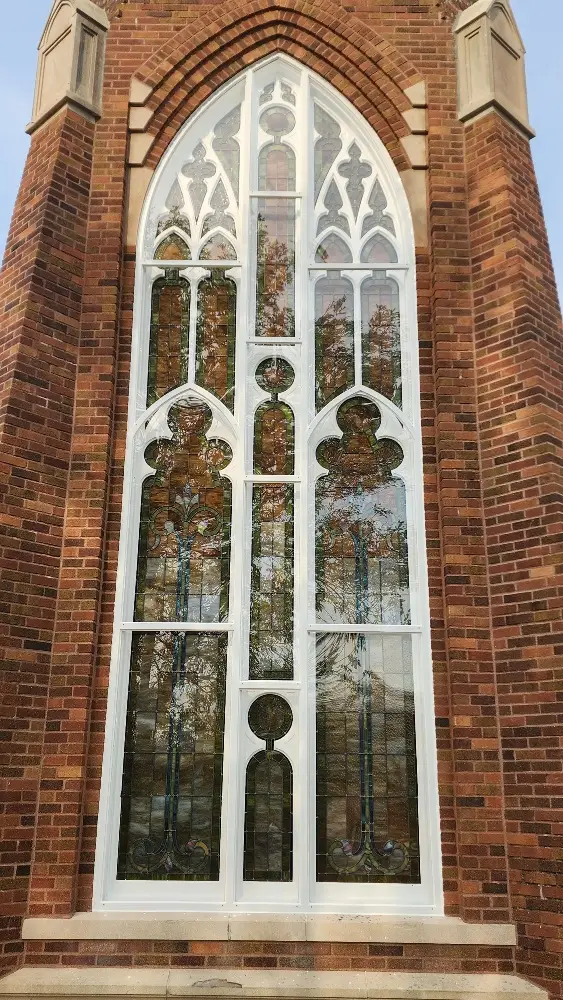
Protective glazing is a primary solution; several configurations are available. In these systems the historic glass remains in its original glazing.
Protection of historic stained glass, 2020
Willet Stained Glass Studios specializes in custom exterior glazing systems engineered to protect stained glass installations. With deep expertise in historical conservation, they work with churches and private clients to develop tailored solutions that meet technical requirements while safeguarding the artwork’s aesthetic integrity.
Expert Glazing Systems
Expert glazing systems deliver advanced protection for stained glass. These systems often incorporate technologies such as Klear‑Flo, which provide improved clarity and durability compared with older approaches. Modern glazing also enhances energy performance, reduces maintenance demands, and increases resistance to environmental stressors.
Willet Stained Glass Studios offers a range of expert glazing systems designed to meet the demands of historic preservation. Their bespoke solutions protect installations while preserving the visual character of the glass.
What Are Exterior Glazing Systems and Their Role in Stained Glass Preservation?
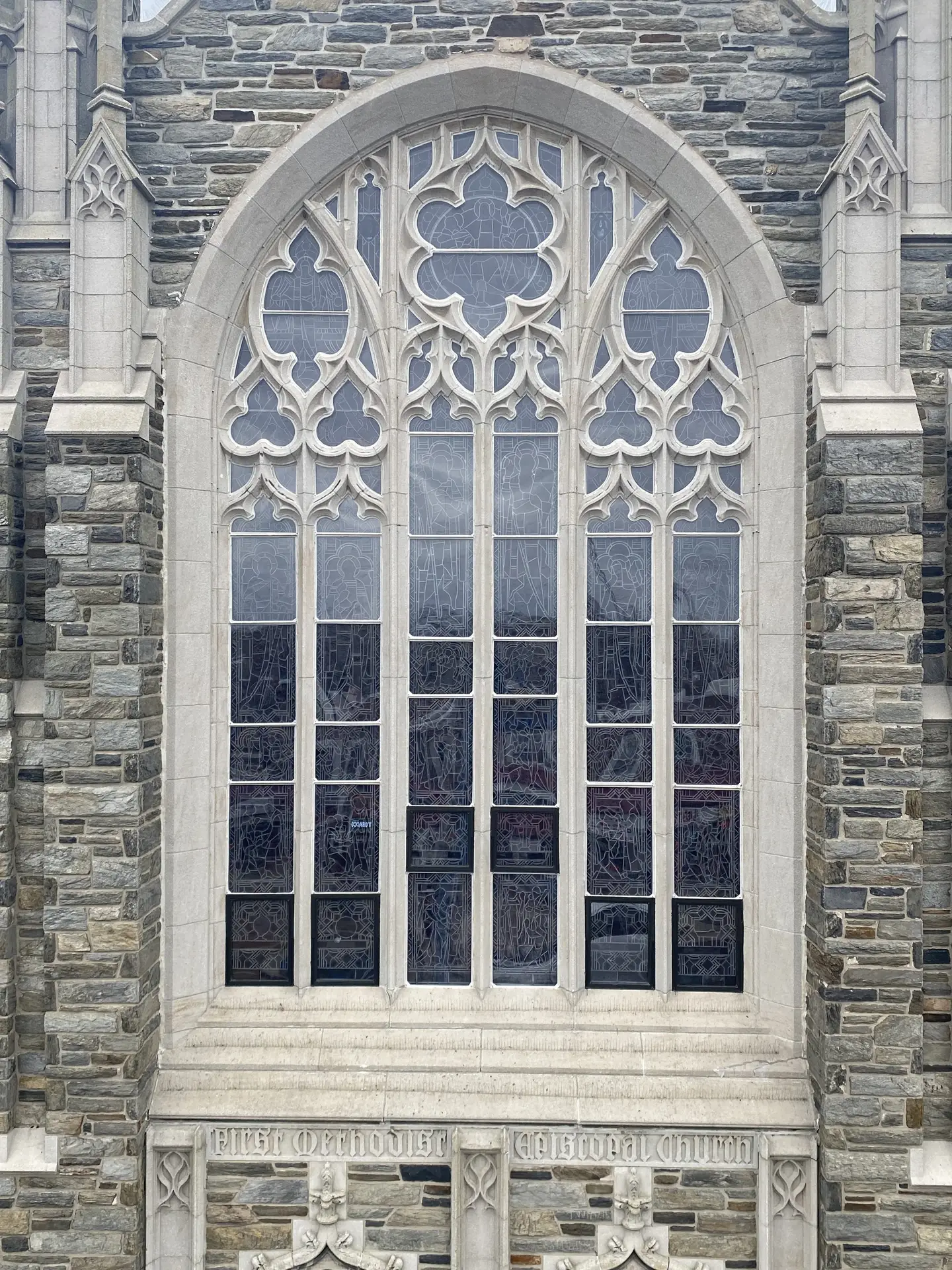
Exterior glazing systems form a barrier against moisture, dirt and physical damage. They are essential for maintaining the structural and artistic integrity of stained glass, especially in regions subject to severe weather. By adding a protective layer, these systems extend the service life of the installation.
Preservation studies document the effectiveness of these systems in reducing environmental damage, particularly weathering.
Protecting Historic Stained Glass from Weathering
Weathering is a major cause of deterioration for historic stained glass. Conservators have demonstrated that maintaining an artifact’s grandeur is achievable by installing protective glazing.
The shielding effect of the protective glazing of historical stained glass windows from an atmospheric chemistry perspective: case study Sainte Chapelle,
Paris, RHM Godoi, 2006
Types of Glazing Systems
Several glazing system types are available for stained glass protection, including:
- Klear-Flo Systems: These systems offer high clarity and UV protection, making them ideal for preserving the vibrancy of stained glass.
- Traditional Storm Windows: A conventional approach, these windows provide a physical barrier against the elements but may not offer the same clarity as modern systems.
- Laminated and Tempered Glass: These materials provide enhanced strength and safety, making them suitable for high-traffic or vulnerable locations.
Each glazing option has distinct advantages; selection depends on the installation’s specific requirements and site conditions.
Benefits of Protective Glazing Systems
Protective glazing systems provide several tangible benefits, including:
- Environmental Protection: They shield stained glass from moisture, dirt, and pollutants that can cause deterioration.
- Longevity of Stained Glass: By preventing physical damage and UV exposure, these systems help extend the life of stained glass artworks.
- Visual Clarity: Modern glazing solutions, such as Klear-Flo, maintain the aesthetic appeal of stained glass while providing protection.
These advantages make protective glazing an essential consideration for those responsible for stained glass conservation.
The longstanding practice of using external glazing for conservation, notably in Europe, highlights its established efficacy.
European Stained Glass Protective Glazing
The method of protecting European stained glass with external glazing is well established. Despite variation among systems and their effects, the approach remains a core conservation practice.
Conservation of stained glass windows with protective glazing: Main results from the European VIDRIO research programme, A Bernardi, 2013
Maintenance Considerations
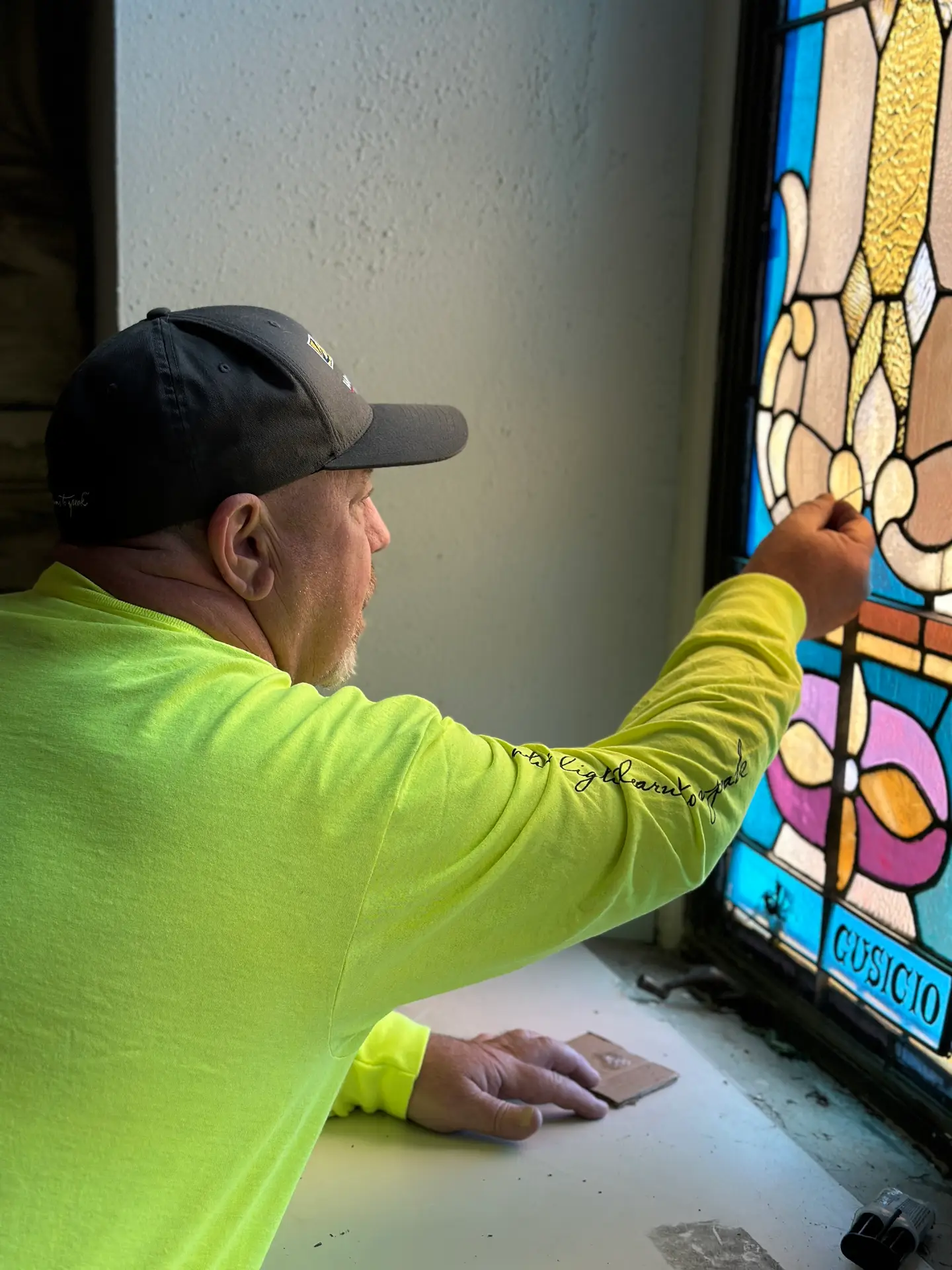
Proper maintenance is essential to preserve the performance of protective glazing systems. Key considerations include:
- Regular Inspections: Periodic checks help identify issues early, preventing larger problems down the line.
- Cleaning Methods: Using appropriate cleaning solutions and techniques is vital to avoid damaging the glass or the protective layer.
- Ventilation Importance: Ensuring proper ventilation prevents moisture buildup, which can lead to mold and deterioration.
Adherence to these maintenance practices helps property owners keep protective glazing effective and visually pleasing.
Installation and Maintenance
Installation requires careful planning and skilled execution to ensure optimal performance. Engage professionals experienced in stained glass conservation so installations comply with industry standards. Correct installation preserves the glazing’s protective function and maintains the aesthetic integrity of the stained glass.
Best Practices for Installation and Maintenance of Protective Glazing
- Engage Professionals: Always hire experienced professionals for installation to ensure compliance with best practices.
- Follow Manufacturer Guidelines: Adhering to the manufacturer’s instructions helps maximize system effectiveness.
- Schedule Regular Maintenance: Establish a routine maintenance schedule to keep protective systems in optimal condition.
Following these best practices helps ensure protective glazing systems deliver durable protection for stained glass installations.
How Should Protective Coverings Be Maintained to Ensure Longevity?
To preserve the longevity of protective coverings, it is essential to:
- Conduct Regular Inspections: Check for signs of wear or damage that may compromise the protective layer.
- Use Appropriate Cleaning Solutions: Avoid harsh chemicals that could damage the glass or coatings.
- Ensure Proper Ventilation: Proper airflow helps prevent moisture buildup and related deterioration.
Implementing these strategies helps protective coverings continue to perform effectively.
What Installation Standards Guarantee Optimal Performance of Exterior Glazing?
Conformance with established installation standards is critical to achieving optimal exterior glazing performance. Key standards include:
- Compliance with Local Building Codes: Ensure installations meet local regulations for safety and effectiveness.
- Use of Quality Materials: Selecting high-quality materials significantly impacts durability and long-term performance.
- Professional Installation: Engaging qualified professionals ensures the installation is performed correctly and efficiently.
By observing these standards, property owners can improve the durability and effectiveness of their protective glazing.