Protecting Your Heritage: Why Every Church Needs a Professional Stained Glass Inspection
Stained glass windows are central to a church’s heritage, combining artistic, historic and spiritual value. This article explains how professional stained glass inspections reduce risk, guide maintenance and extend the life of these irreplaceable assets so churches can plan preservation with confidence.
Importance of Preservation
These windows record craftsmanship and community memory; keeping colours, lead work and composition intact preserves both aesthetic impact and the building’s spiritual atmosphere.
Potential Risks of Neglect
Neglect accelerates damage and increases cost and safety risks. The main problems are:
- Deterioration: Environmental exposure can degrade glass and lead cames, causing irreversible damage.
- Escalating Repair Costs: Small issues become costly if left unaddressed.
- Structural Risks: Failing windows can threaten the building and occupants.
Regular inspections are the practical first step to manage these threats. The fragile composition of historic glass makes assessment and mitigation of environmental impacts essential.
Environmental Factors & Stained Glass Conservation Strategies
Stained glass is susceptible to environmental changes that affect its appearance and longevity. This thesis reviews alterations caused by air pollutants, temperature, and humidity, and examines analytical techniques—microstructure analysis, chemical analysis, and spectroscopy—to understand how these factors change the glass’s properties. The study assesses the main drivers of glass degradation and recommends conservation strategies and mitigation measures to address the effects of climate change on stained glass.
Beyond the surface: Investigating environmental factors affecting stained glass
Benefits of Expert Evaluation
Specialist evaluations identify present defects and future risks and produce maintenance plans that save money and strengthen community stewardship. Key benefits include:
- Comprehensive Assessments: Detailed condition surveys that cover glass, lead, supports and installation.
- Long-Term Maintenance Plans: Prioritised actions and schedules to prevent decline.
- Enhanced Community Engagement: Preservation demonstrates a church’s care for heritage and invites public support.
Willet Stained Glass Studios provides design, fabrication and restoration focused on heritage preservation, applying established methods and material standards to inspections and repair work.
What Is a Professional Stained Glass Inspection and Why Is It Essential for Churches?
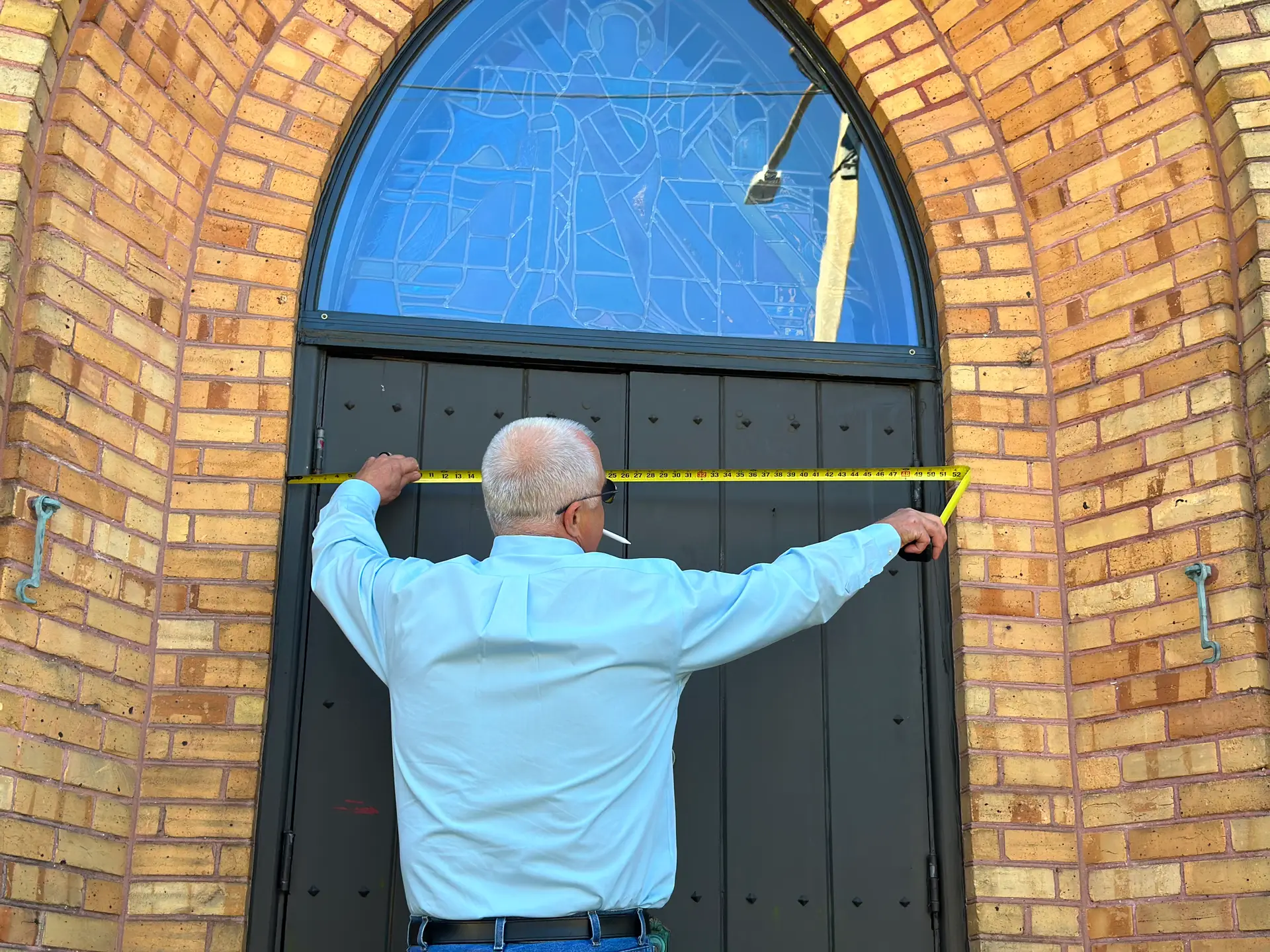
An inspection is a systematic condition survey—structural soundness, environmental exposure, and installation integrity—that reveals concealed problems (hairline cracks, weakened leadwork, loose supports) so repairs can be scheduled before failure occurs.
How Does a Stained Glass Condition Assessment Preserve Heritage Windows?
Condition assessments document current state, allow early defect identification, and inform restoration methods. Clear records form a baseline for future decisions and help ensure interventions are appropriate and minimally invasive.
Effective conservation depends on specialists who combine visual assessment with material knowledge and sound conservation practice.
Stained Glass Condition Assessment & Maintenance
Assessment of the condition of the glass on the bench is a core practice. The cleaning of stained glass is a critical part of maintenance and conservation and should be carried out only by experienced conservators.
Leaded Lights and Stained Glass, 2025
What Are the Key Steps in a Professional Inspection Process?
Typical inspection steps are concise and targeted:
- Visual Inspection: Identify visible damage, distortion or staining.
- Lead Framework Assessment: Check lead cames and joins for weakness or sag.
- Environmental Damage Check: Evaluate moisture, pollutants and solar exposure effects.
Together these steps give a clear picture of condition and inform maintenance priorities.
What Are the Common Signs of Damage in Church Stained Glass Windows?
Common indicators to watch for include:
- Cracks and Breakage: Any crack risks further loss and should be documented.
- Sagging Lead Cames: Sagging or bending indicates structural stress.
- Moisture or Water Leaks: Moisture can cause corrosion, mold and joint failure.
Early recognition reduces repair scope and preserves both structure and appearance.
How to Identify Cracks, Bulging, and Other Structural Issues
Use regular, careful observation and simple checks:
- Visual Inspection Techniques: Inspect from different angles and lighting to reveal hairline cracks or bulging.
- Lead Framework Assessment: Look for soft, cracked or distorted lead and for movement at joins.
- Moisture Inspection: Check surrounding masonry, glazing beads and interior surfaces for leaks or staining.
Understanding components such as lead cames and iron supports is essential to judge stability and plan repairs.
Conservation Assessment of Medieval Cathedral Stained Glass
The study examined lead cames and iron supporting elements from Spanish medieval stained glass windows at the Cathedral of Toledo and the Royal Monastery of Guadalupe. Additionally, two iron framework supporting samples—a square-shaped saddle-bar and a T-shaped saddle-bar—were analysed.
A conservation assessment on metallic elements from Spanish Medieval stained glass windows, M García-Heras, 2004
Why Early Detection Prevents Costly Stained Glass Window Repair
Prompt attention to minor faults reduces repair costs, shortens downtime and helps retain the windows’ historic fabric for future generations.
How Does Expert Stained Glass Restoration Protect and Enhance Church Heritage?
Restoration both preserves and restores visual clarity. Common steps are:
- Assessment and Documentation: Record condition and interventions for future reference.
- Cleaning: Conservator-led cleaning that removes grime without harming the glass.
- Repairing and Replacing: Repair or replace damaged glass and renew lead where required, respecting historic fabric.
These measures maintain the windows’ artistic and historical narratives while improving performance and appearance.
What Restoration Techniques Ensure Long-Lasting Quality and Craftsmanship?
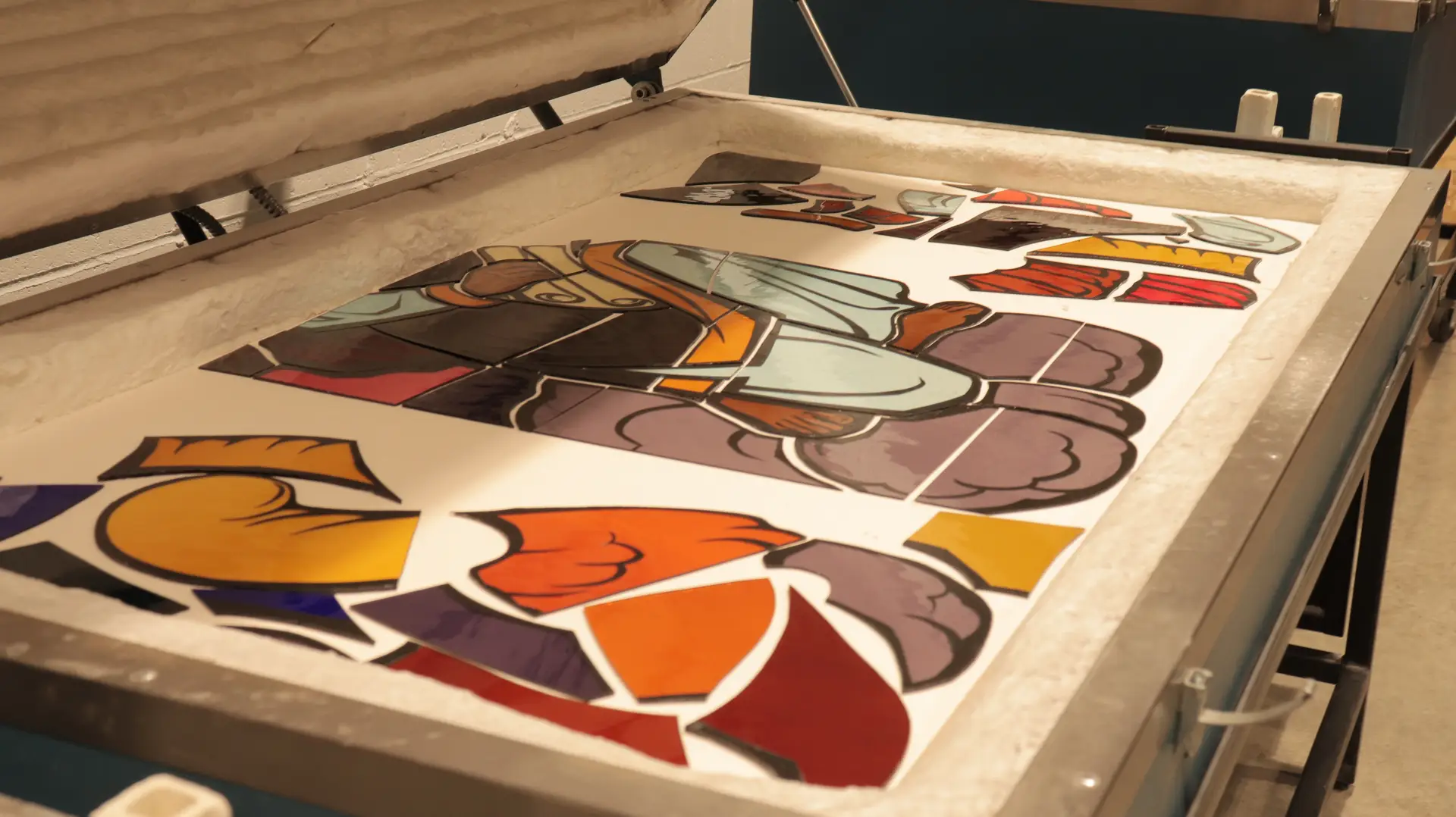
Durable restoration relies on sound methods and materials:
- Material Quality: Use durable, compatible materials to avoid future incompatibility.
- Kiln-Fired Painting: Durable painted details that withstand weathering.
- Lead Came Replacement: Replace failing cames with suitable lead profiles to restore stability.
Applied with respect for traditional craft, these techniques preserve workmanship and extend service life.
How Does Collaboration with Architects and Preservationists Improve Outcomes?
Working with architects and preservationists ensures structural solutions, historical accuracy and cost-effective planning, producing outcomes that respect original design while securing long-term performance.
How Can Churches Benefit from Regular Maintenance and Protective Measures?
Routine care provides clear advantages:
- Early Issue Identification: Routine checks catch problems while they are small.
- Extended Longevity: Ongoing care preserves beauty and function.
- Cost Reduction: Preventive work reduces the need for major interventions.
A formal maintenance program is a practical, cost-effective way to protect heritage assets.
What Are the Advantages of Protective Glazing and Preventive Care?
Protective glazing and preventive measures help by:
- Environmental Protection: Shielding glass from UV and pollutants.
- Energy Efficiency: Improving insulation and reducing heat loss.
- Enhanced Longevity: Limiting exposure to damaging elements.
These measures are often a wise investment for long-term preservation.
How Does a Free Stained Glass Evaluation Support Heritage Preservation?
A no-cost evaluation gives churches a baseline condition report and encourages a proactive maintenance culture. Key benefits are:
- Identification of Condition: Immediate issues are recorded and prioritised.
- Documentation of Maintenance History: Records track changes and interventions over time.
- Fostering Proactive Maintenance Culture: Regular checks promote scheduled care and informed budgeting.
By using free evaluations, churches gain clarity about their stained glass and can plan preservation appropriately.
For further information on professional stained glass inspections, Willet Stained Glass Studios provides specialised services tailored to church heritage preservation.