Professional Cleaning for Stained Glass Windows: Expert Methods and Preservation Strategies
Stained glass windows are not only beautiful but also require careful maintenance to preserve their artistic integrity and historical value. This article delves into the best practices for professional cleaning of stained glass windows, ensuring that both the aesthetic and structural aspects are maintained. Readers will learn about effective cleaning techniques, optimal solutions, and tools that enhance the preservation of these unique artworks. Many property owners face challenges in maintaining stained glass due to the delicate nature of the materials involved. By understanding the right methods and products, one can ensure the longevity and beauty of stained glass installations. This guide will cover essential cleaning practices, recommended tools, maintenance frequency, modern restoration techniques, and safety standards in the cleaning process.
What Are the Best Practices for Cleaning Stained Glass Windows Professionally?
Professional cleaning of stained glass windows involves specific techniques that prioritize the preservation of the glasswork. The primary goal is to remove dirt and grime without damaging the delicate materials. Using appropriate cleaning methods is crucial, as improper techniques can lead to scratches or other forms of damage. Additionally, safety considerations must be taken into account to protect both the workers and the artwork itself.
Which Cleaning Techniques Ensure Preservation of Artistic Glasswork?
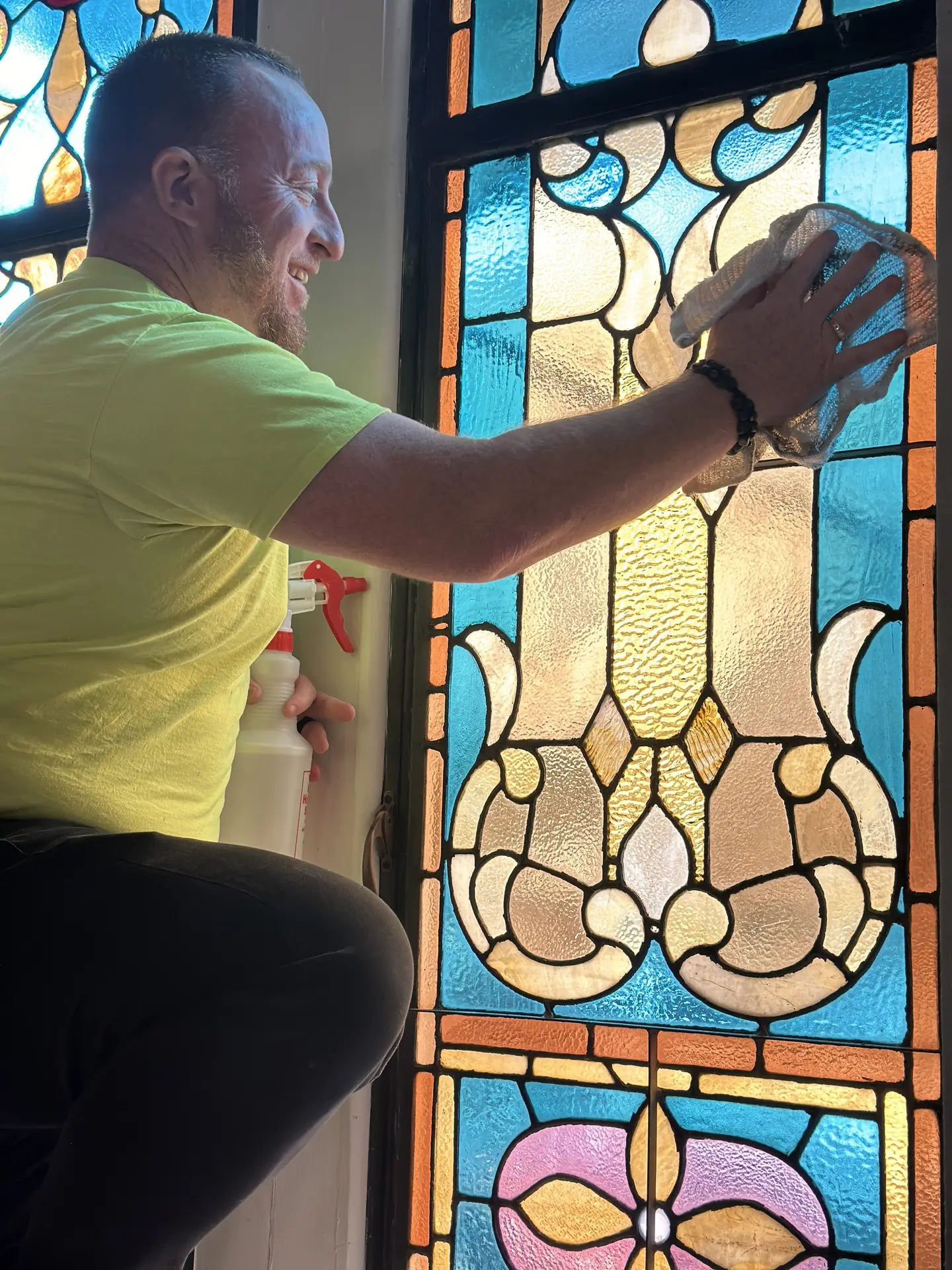
To preserve the artistic integrity of stained glass, non-abrasive cleaning methods are essential. Techniques such as using soft cloths and gentle cleaning solutions help avoid scratches and maintain the glass’s original finish. It is also important to avoid harsh chemicals that can degrade the glass or lead to discoloration over time. Regular maintenance using these techniques can significantly extend the life of stained glass windows.
How Do Professional Services Maintain Safety and Environmental Standards?
Professional cleaning services adhere to strict safety regulations to ensure the well-being of both their staff and the environment. This includes using eco-friendly products that minimize harmful impacts. Staff members are trained in safety protocols, ensuring that all cleaning processes comply with industry standards. By prioritizing safety and environmental considerations, these services not only protect the artwork but also contribute to sustainable practices in the cleaning industry.
Which Cleaning Solutions and Tools Are Optimal for Stained Glass Restoration?
When it comes to cleaning stained glass, the choice of solutions and tools can greatly affect the outcome. Various cleaning agents are available, each designed to cater to the specific needs of stained glass. Specialized tools also play a significant role in enhancing the quality of cleaning services, ensuring that every detail is attended to without causing damage.
What Eco-Friendly Cleaning Agents Are Recommended for Glass Surface Care?
Eco-friendly cleaning agents are increasingly recommended for their effectiveness and safety. These products not only clean but also protect the glass from potential damage caused by harsh chemicals. Examples of recommended eco-friendly agents include vinegar-based solutions and biodegradable cleaners that are gentle yet effective. The use of such agents contributes to the overall preservation of stained glass, ensuring that the colors and integrity remain intact.
This perspective aligns with research on environmentally conscious methods for preserving delicate glass.
Eco-Friendly Glass Cleaning Methods for Museum Objects
Glass surface cleaning is the very first step in advanced coating deposition and it also finds use in conserving museum objects. However, most of the wet chemical methods of glass cleaning use toxic and corrosive chemicals like concentrated sulfuric acid (H2SO4), piranha (a mixture of concentrated sulfuric acid and 30% hydrogen peroxide), and hydrogen fluoride (HF). On the other hand, most of the dry cleaning techniques like UV-ozone, plasma, and laser treatment require costly instruments. In this report, five eco-friendly wet chemical methods of glass cleaning were evaluated in terms of contact angle (measured by optical tensiometer), nano-scale surface roughness (measured by atomic force microscopy or AFM), and elemental composition (measured by energy dispersive x-ray spectroscopy or SEM-EDX). These glass cleaning methods are devoid of harsh chemicals and costly equipment, hence can be applied in situ in close proximity with plantation such as greenhouse or upon subtle objects such as museum artifacts. Out of these five methods, three methods are based on the chemical principle of chelation. It was found that the citric acid cleaning method gave the greatest change in contact angle within the hydrophilic regime (14.25° for new glass) indicating effective cleansing and the least surface roughness (0.178 nm for new glass) indicating no corrosive effect. One of the glass sample showed unique features which were traced backed to the history of the glass usage.Cheap non-toxic non-corrosive method of glass cleaning evaluated by contact angle, AFM, and SEM-EDX measurements, 2017
How Do Specialized Tools Enhance the Quality of Window Cleaning Services?
Specialized tools are essential for achieving high-quality results in stained glass cleaning. Tools such as soft brushes and non-abrasive sponges are designed to clean without scratching the surface. Additionally, using tools that allow for the precise application of cleaning solutions can enhance the effectiveness of the cleaning process. By investing in the right tools, professional services can ensure that they deliver the best possible care for stained glass windows.
How Often Should Historic Stained Glass Windows Be Professionally Maintained?
The frequency of professional maintenance for historic stained glass windows depends on several factors, including environmental conditions and the level of exposure to pollutants. Regular inspections are recommended to assess the condition of the glass and determine the need for cleaning or restoration.
What Scheduling Practices Support Long-Term Glass Preservation?
To support long-term preservation, it is advisable to establish a regular maintenance schedule. This includes seasonal inspections and cleaning, which can help identify potential issues before they escalate. Documenting maintenance activities also plays a crucial role in preserving the history and condition of the stained glass, allowing for informed decisions regarding future care.
How Do Environmental Factors Influence Cleaning Frequency?
Environmental factors such as pollution, weather conditions, and location can significantly influence how often stained glass windows need to be cleaned. For instance, windows in urban areas may require more frequent cleaning due to higher levels of dust and grime. Understanding these factors can help property owners and maintenance professionals develop a tailored cleaning schedule that meets the specific needs of each installation.
What Are the Latest Glass Restoration Techniques for Stained Glass Windows?
Modern restoration techniques for stained glass windows have evolved to include non-invasive methods that enhance the preservation of the glass. These techniques focus on maintaining the original materials while effectively addressing any damage.
How Do Non-Invasive Technologies Improve Restoration Outcomes?
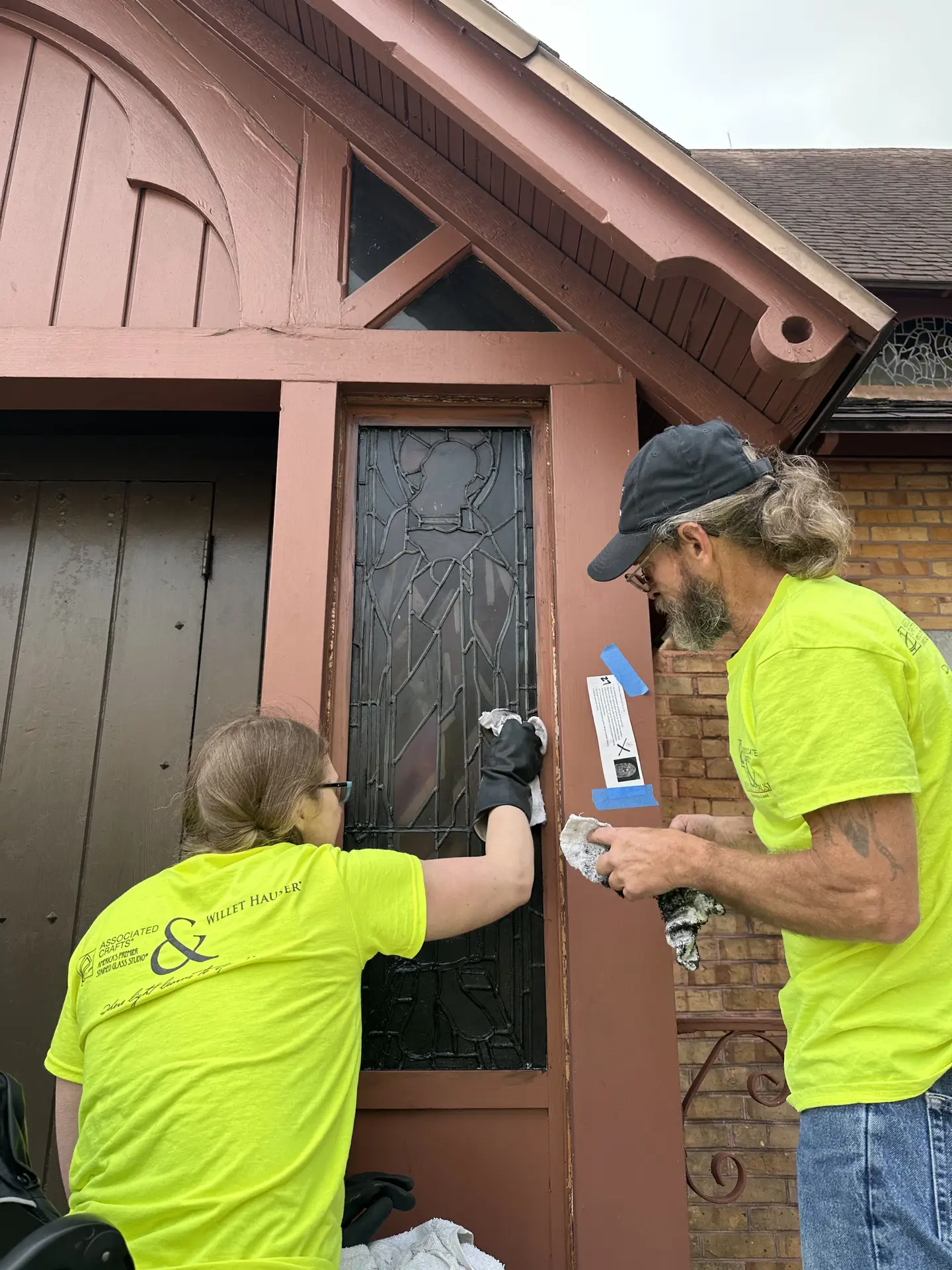
Non-invasive technologies, such as laser cleaning and advanced adhesive methods, allow for the restoration of stained glass without compromising its integrity. These methods minimize the risk of damage during the restoration process, ensuring that the original artwork is preserved as much as possible. By utilizing these advanced techniques, professionals can achieve better restoration outcomes while maintaining the historical value of the glass.
Can Damaged Stained Glass Be Fully Restored Professionally?
Yes, damaged stained glass can often be fully restored through professional services. The restoration process typically involves assessing the extent of the damage and determining the best approach for repair. Techniques such as re-leading and glass replacement can be employed to restore the window to its original condition. Success rates for restoration vary based on the severity of the damage, but many professionals are equipped to handle even significant repairs.
How Do Professional Window Care Services Collaborate with Clients and Architects?
Collaboration between professional cleaning services, clients, and architects is essential for ensuring that the needs of the stained glass windows are met. This partnership allows for customized cleaning plans that take into account the specific requirements of each project.
What Is the Process for Customizing Cleaning Plans to Client Needs?
The process of customizing cleaning plans begins with understanding the client’s requirements and the specific characteristics of the stained glass. This may involve discussions about the historical significance of the windows, any previous restoration work, and the desired outcomes of the cleaning process. By incorporating client feedback, professionals can develop tailored plans that address individual needs effectively.
How Are Restoration Projects Documented and Communicated?
Documentation and communication are critical components of any restoration project. Professional services typically maintain detailed records of the work performed, including photographs and descriptions of the condition before and after cleaning. This documentation not only serves as a reference for future maintenance but also helps in communicating progress and outcomes to clients.
What Safety Standards and Environmental Guidelines Govern Stained Glass Cleaning?
Safety standards and environmental guidelines play a vital role in the cleaning and restoration of stained glass windows. Adhering to these regulations ensures that the cleaning process is safe for both the workers and the artwork.
Which Industry Certifications Validate Professional Cleaning Services?
Professional cleaning services often seek industry certifications that validate their adherence to safety and environmental standards. These certifications can include training in the use of eco-friendly products and techniques, ensuring that the services provided are both effective and responsible. Clients can look for these certifications as a mark of quality and commitment to best practices in stained glass maintenance.
How Do Eco-Friendly Practices Reduce Environmental Impact?
Implementing eco-friendly practices in stained glass cleaning not only benefits the artwork but also reduces the overall environmental impact. By using biodegradable cleaning agents and minimizing waste, professional services can contribute to sustainability efforts. This approach not only protects the stained glass but also aligns with the growing demand for environmentally responsible practices in all areas of service.