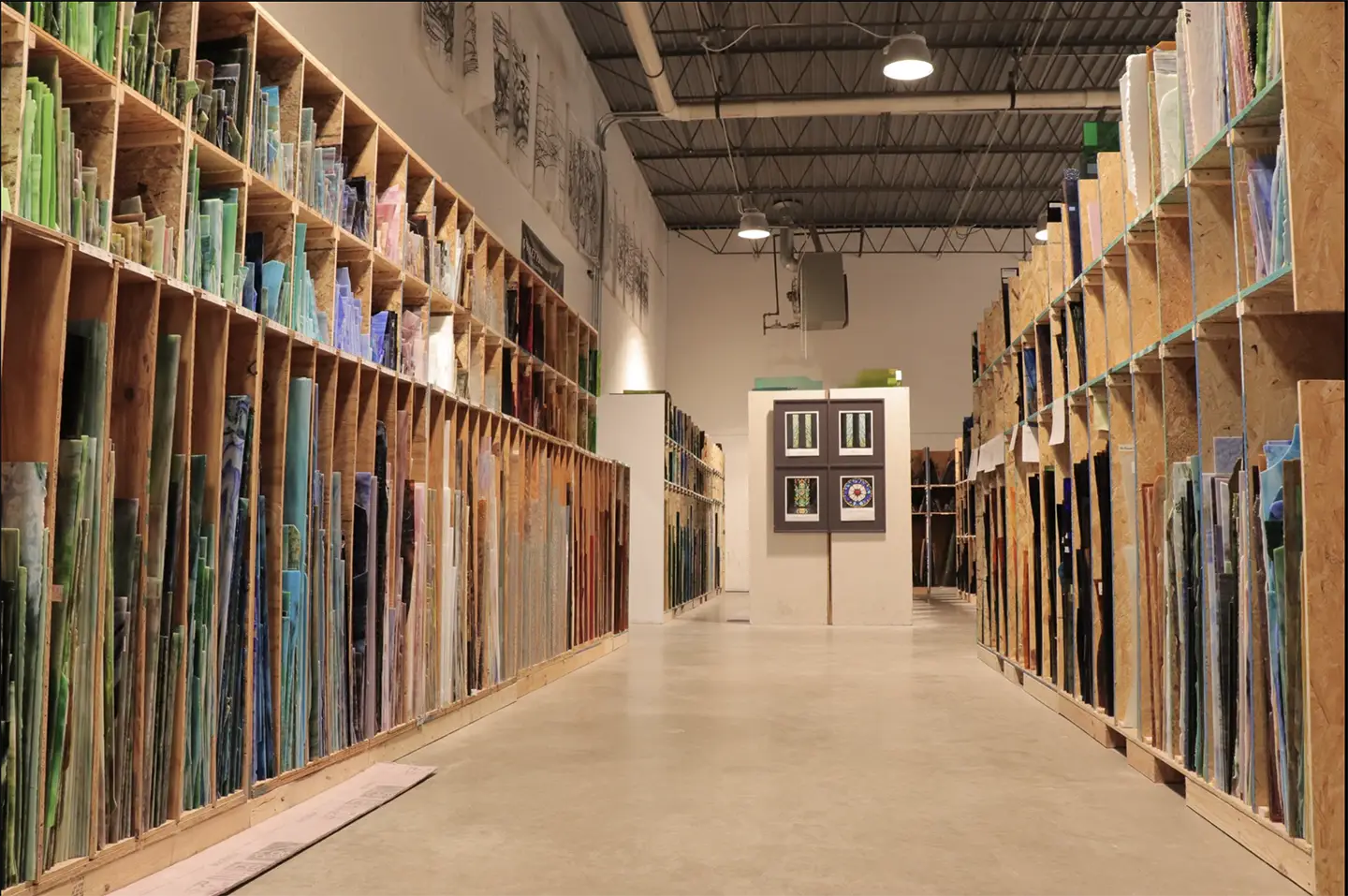

Performance-Driven Fabrication & Installation of Stained Glass: Expert Solutions for Custom Design and Restoration
By Amanda Steine, Willet Stained Glass Studios
Stained glass fabrication and installation demand exacting craft and technical rigour. This article examines performance-driven methods that produce dependable outcomes in both custom design and restoration. Readers will find concise guidance on restoration procedures, bespoke fabrication pathways, and installation best practices. Clients frequently require reliable solutions for new work or the careful restoration of historic glass. This guide explains how performance-focused methods improve appearance while safeguarding structural integrity. Core topics address restoration techniques, custom fabrication choices, and installation standards.
Expert Restoration Techniques
Restoration begins with a systematic assessment of condition and damage. Practitioners apply targeted techniques—cleaning, re-leading, and selective replacement—to conserve original fabric and extend service life. Each intervention is chosen to respect historical workmanship while improving durability. A rigorous understanding of these methods informs sound restoration decisions and protects the artwork’s historical value.
Custom Fabrication Options
Custom fabrication enables tailored designs that respond to client preferences and the architectural context. The process is collaborative: designers and clients work together to define form, colour, and performance requirements. Selection of high-grade materials is central to both visual quality and long-term resilience. Skilled hand techniques, including traditional colour blending, reinforce the distinctiveness of each commission.
Willet Stained Glass Studios provides performance-driven fabrication and installation, with services that span design, fabrication, and restoration. Core offerings include bespoke stained glass design, architectural glass fabrication, and specialist restoration of historic and ecclesiastical windows. The studio emphasises craftsmanship, fidelity to historical detail, and technical precision in work for churches, preservation organisations, architects, and private clients.
Best Practices
Selecting a service provider requires attention to reputation, material standards, and aftercare. A reputable firm delivers consistent workmanship and meets established quality benchmarks. Appropriate material choices determine both appearance and longevity. Finally, structured support and maintenance programmes preserve the condition of installations over time.
What Defines Performance-Driven Stained Glass Fabrication?
Performance-driven fabrication places quality, durability, and aesthetic integrity at the forefront. The approach features a collaborative design process in which artisans align technical solutions with client intent. Careful material specification and exacting craftsmanship are essential, as they determine the long-term performance and visual success of the work.
Further research highlights how performance-driven design principles, including computational techniques and digital fabrication, are being applied to architectural elements like building facades, extending their relevance to stained glass.
Performance-Driven Digital Fabrication for Stained Glass
Examines relationships between performance-driven design, computational design techniques, the integration of analysis tools with the design process, and digital fabrication for a building facade.
Re-skinning: performance-based design and fabrication of building facade components, A Aksamija, 2012
How Does Custom Stained Glass Design Enhance Architectural Projects?
Custom stained glass integrates crafted art with architectural intent to enrich space and function. Well-considered glass contributes visual focus, moderates daylight, and can provide privacy without compromising design coherence. A collaborative process ensures the work supports the broader architectural concept and delivers a harmonious result.
Which Materials and Techniques Ensure Durability and Aesthetic Excellence?
Longevity and beauty depend on material quality and methodical technique. Durable glass, correctly specified lead came, and kiln-fired paint are foundational components. Combining time-honoured methods with considered innovations produces work that remains both attractive and resilient.
How Are Historic and Church Stained Glass Restorations Executed with Precision?
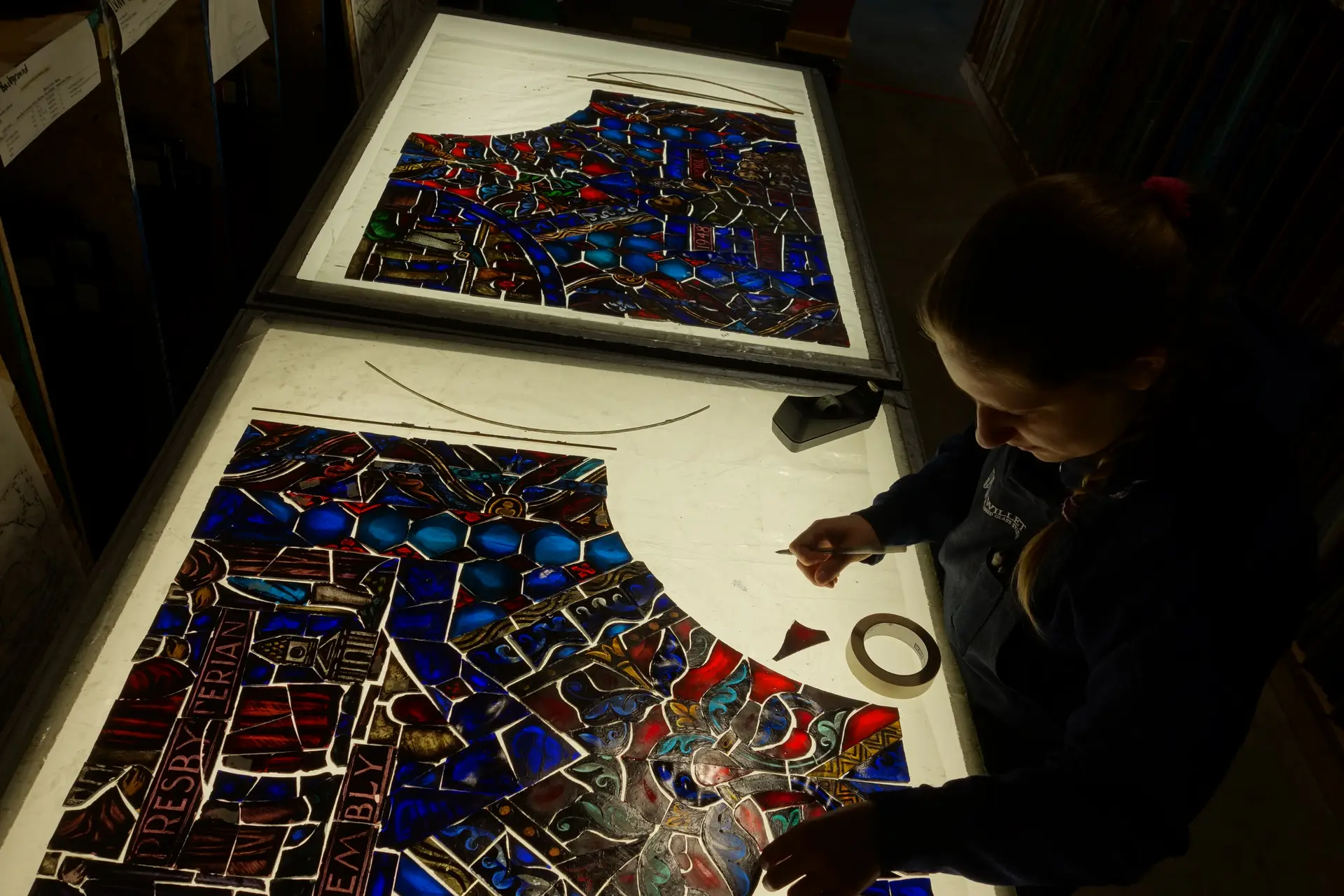
Conserving historic and ecclesiastical glass requires a disciplined methodology to retain original character. Key steps include establishing historical context, thorough condition recording, and carefully staged interventions that honour original craftsmanship. Working with preservation bodies often supplies additional expertise and practical resources that improve outcomes.
The field of stained glass conservation is continually evolving, with new technologies and interdisciplinary research playing a crucial role in advancing preservation methods.
Stained Glass Conservation: New Technologies & Interdisciplinary Research
This review uses Scopus data from 1855 to 2023 to identify trends and developments in stained glass research, noting a marked increase in scholarship after 2000. The rise reflects advances in digital technology and broader global access, enabling interdisciplinary work across materials science, engineering, and cultural studies. New tools such as hyperspectral imaging and laser cleaning have improved conservation practice. The study also records growing contribution from the United States alongside continued European leadership, and a diversification of funding sources that signals wider investment in the field.
Windows of insight: A review on stained glass research trends, K Leong, 2024
What Are the Key Steps in Historical Stained Glass Preservation?
The key steps in historical stained glass preservation involve:
- Assessment of Historical Context: Understanding the significance of the piece within its historical framework.
- Documentation of Conditions: Recording the current state of the glass to inform restoration decisions.
- Application of Restoration Techniques: Employing methods that respect the original craftsmanship while enhancing durability.
How Does Collaboration with Preservation Societies Influence Restoration Quality?
Collaboration with preservation societies strengthens restoration quality by providing specialist knowledge and established standards. These organisations offer guidance on appropriate methods and materials, helping ensure that work remains historically accurate. Many successful projects result from partnerships that combine artisan skill with conservation expertise.
What Are Best Practices for Architectural Glass Installation?
Best practices for architectural glass installation ensure compliance with contemporary performance and preservation standards. Tailoring installation to these criteria is necessary to achieve durable, safe, and visually successful outcomes. Robust quality control, including inspection and clear documentation, underpins long-term integrity.
How Is Installation Tailored to Meet Modern Performance and Preservation Standards?
Installation is adapted to current performance and preservation requirements through the use of compatible materials and proven methods. Work is executed in line with applicable building codes and conservation guidelines to safeguard both structural performance and historic value.
What Quality Assurance Measures Guarantee Long-Term Integrity?
Quality assurance measures that guarantee long-term integrity include:
- Inspection Processes: Regular inspections during and after installation to identify potential issues.
- Documentation Practices: Keeping detailed records of materials used and installation techniques applied.
- Ongoing Maintenance Plans: Establishing maintenance schedules to ensure the continued preservation of the stained glass.
How Does Client Consultation and Project Management Support Successful Fabrication and Installation?
Consultation and project management are central to successful outcomes. Tailored consultation clarifies client aims and performance requirements. Structured project management coordinates schedule, resources, and quality control to deliver work on time and to specification.
What Is the Role of Personalized Consultation in Custom Stained Glass Projects?
Personalised consultation captures the client’s vision and practical constraints. This dialogue enables artisans to translate preferences into technically sound designs that harmonise with the building and its use.
How Are Project Timelines and Expectations Managed Effectively?
Effective timeline and expectation management relies on realistic planning and transparent communication. Regular progress updates and defined review points keep stakeholders informed and allow timely resolution of issues.