Comprehensive Guide to Paint and Enamel Conservation for Stained Glass Restoration
By Amanda Steine, Willet Stained Glass Studios
Paint and enamel conservation for stained glass focuses on retaining artistic and historical value while addressing deterioration from environment, neglect or past repairs. This guide outlines assessment, cleaning, repair and maintenance steps, and clarifies when professional input is required to protect visual character and material stability.
Comprehensive Paint & Enamel Conservation Guide for Stained Glass
A systematic assessment records condition, damage and deterioration drivers to shape a conservation plan.
- Conduct Thorough Inspections: Examine panels closely to identify paint loss, corrosion, breaks and structural issues.
- Document Existing Conditions: Photographs and condition reports establish a baseline for treatment and future comparison.
- Identify Damage Types: Distinguish paint loss from glass failure and lead or support problems to select appropriate responses.
Scholarly and technical studies routinely emphasise material analysis and methodical documentation as foundations for sound stained glass conservation.
Stained Glass Conservation: Material Analysis & Methodology
The literature reports data on conservation studies of stained-glass interventions, including material characterisation, condition assessment and methodological approaches.
Th
e conservation of stainedglass windows in Latin America: A literature overview, MF Macedo, 2018
Cleaning Techniques
Clean only to the extent needed to reveal decoration and to prepare for treatment; protect original paint and enamel.
- Use Non-Abrasive Materials: Soft brushes and lint-free cloths reduce abrasion risk.
- Recommended Cleaning Agents: Mild, pH-neutral soaps or conservation-grade solutions are preferred.
- Avoid Harsh Chemicals: Strong solvents and abrasives can remove enamel and damage glass.
Repairing and Replacing
Repairs should preserve authenticity: choose reversible, compatible methods and materials where possible.
- Lead Came Replacement: Use suitable lead profiles and techniques to restore panel strength.
- Matching Original Glass: Select glass that matches colour, texture and thickness to maintain appearance.
- Using Period-Appropriate Materials: Consistent materials and methods help preserve historical integrity.
Painting and Kiln Firing
Retouching painted detail requires appropriate glass paints and controlled firing to ensure permanence and visual fidelity.
- Vitreous Paint Techniques: Use paints formulated for glass that bond on firing.
- Importance of Kiln Firing: Proper firing secures the paint and prevents flaking.
- Durability Against Wear: Correct firing and materials increase resistance to environmental stress.
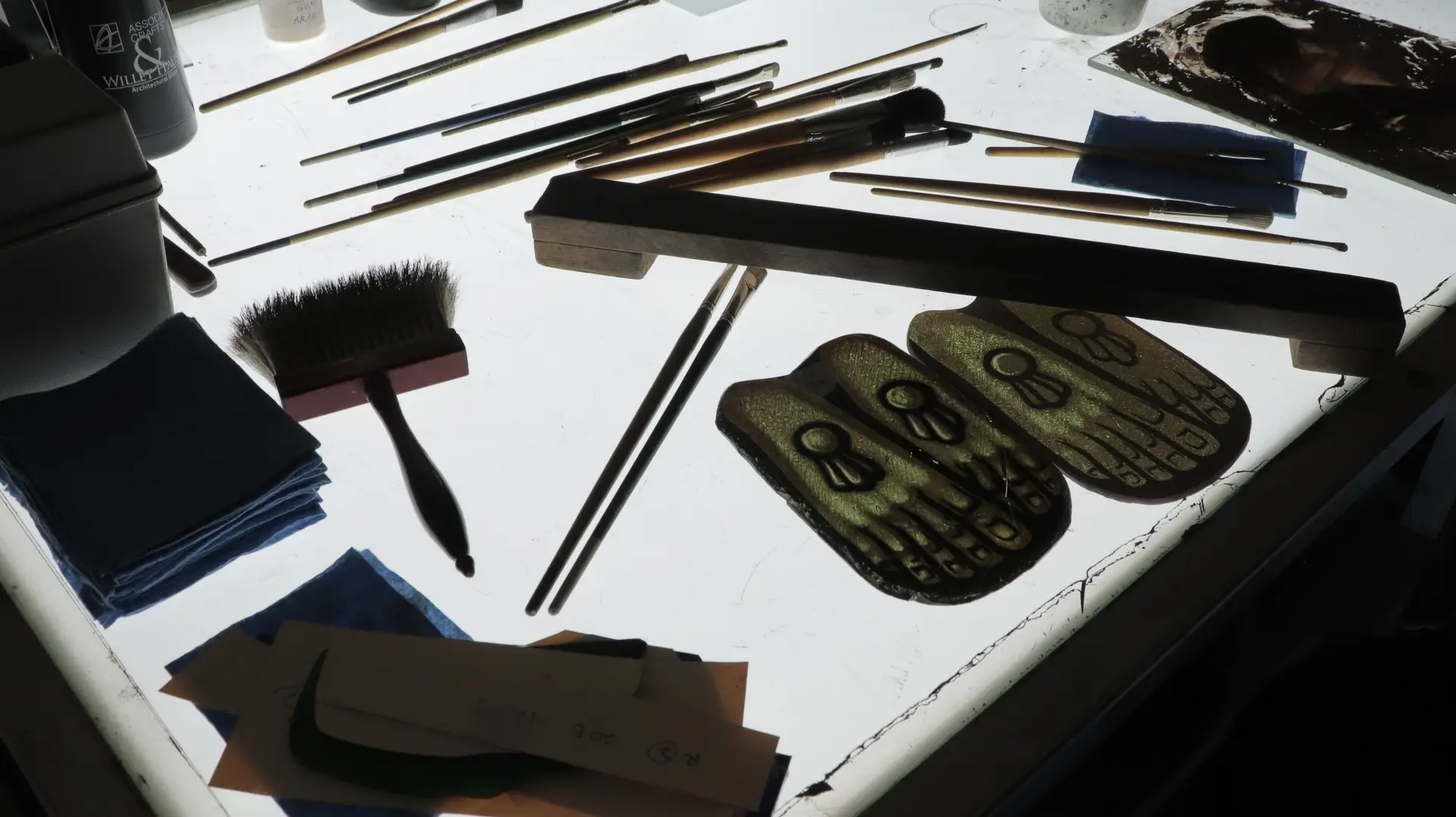
Within the repertoire of painting methods, grisaille is especially important for defining contours and modelling form on stained glass.
Understanding Grisaille Paint in Stained Glass Conservation
A grisaille is a brown–blackish paint applied to the inner surface of stained glass to delineate contours and to produce effects of shading and volume. Materials, techniques, and conservation of historic stained glass “grisailles”, T Pradell, 2016
Reinforcement and Structural Integrity
Stabilise panels with minimal visual impact; prefer reversible fixes and concealed supports where appropriate.
- Assessing Lead Cames: Check lead condition and joint integrity regularly.
- Adding Structural Reinforcements: Use support bars or saddle bars to stabilise large or bowed panels.
- Maintaining Aesthetic Integrity: Place reinforcements to minimise sightline disruption.
Protective Measures
Protection extends life: choose glazing, ventilation and coatings that reduce weathering and UV damage.
- Installing Protective Glazing: External glazing can shield panels from rain and impact.
- Applying UV-Resistant Coatings: Select coatings compatible with glass and paint to limit fading.
- Preserving Colors and Details: Combined measures help retain colour and surface decoration.
Environmental deterioration presents an ongoing challenge; targeted conservation measures such as paint consolidation are necessary to secure long-term survival of painted surfaces.
Stained Glass Paint Consolidation: Addressing Environmental Deterioration
Published studies report paint loss associated with condensation and air pollution and examine the chemical durability of consolidants applied to painted glass.
Co
nsolidation of paint on stained glass windows: Comparative study and new approaches, N Carmona, 2009
Long-term Maintenance Plans
Establish a maintenance schedule with inspections, minor repairs and clear records to prevent escalation and protect heritage value.
- Regular Inspections: Periodic checks catch problems early.
- Documenting Restoration Work: Keep treatment records, photos and materials lists.
- Proactive Maintenance Strategies: Routine cleaning and timely small repairs reduce major works.
Professional Expertise
Experienced conservators combine technical analysis with traditional skills to deliver durable, respectful restorations.
- Engaging Skilled Artisans: Choose conservators with relevant stained glass experience.
- Importance of Portfolio and References: Review prior projects and client references.
- Quality Craftsmanship: Meticulous work preserves both material and historical value.
Willet Stained Glass Studios specialises in stained glass design, fabrication and restoration, with expertise in paint and enamel conservation for churches, institutions, architects, preservation groups and private clients.
Documentation and Historical Integrity
Record treatments thoroughly and consult preservation specialists to inform decisions that respect historical context.
- Maintaining Detailed Records: Record methods, materials and photographs for future reference.
- Collaborating with Preservationists: Work with historians and conservators when necessary.
- Respecting Historical Context: Let the object’s history guide intervention choices.
What Are the Essential Techniques in Enamel Paint Conservation for Stained Glass?
Key techniques are careful cleaning, compatible repairs and selecting materials that do not harm original enamel.
How Does Enamel Chemistry Influence Conservation Methods?
Enamel composition guides choice of cleaners and consolidants to avoid chemical damage.
Which Repainting and Retouching Techniques Ensure Historical Accuracy?
Use period-appropriate, documented methods and reversible approaches where feasible.
How Does Willet Stained Glass Studios Approach Historic Stained Glass Restoration?
Willet combines condition assessment, material analysis and skilled execution to retain significance while addressing deterioration.
What Craftsmanship Standards Guide Our Paint and Enamel Conservation?
Standards stress historic technique, suitable materials and careful workmanship for long-term performance.
How Do We Collaborate with Churches and Architects on Restoration Projects?
Collaboration is built on consultation, planning and communication to align conservation with architectural needs.
What Are the Best Practices for Maintaining and Preserving Conserved Stained Glass?
Schedule inspections, use conservative cleaning and address minor defects promptly to preserve value.
How Long Does Paint Retouching Last on Historic Stained Glass Windows?
Longevity depends on materials and environment; proper execution plus maintenance prolongs results.
Which Maintenance Strategies Protect Enamel Paint and Glass Integrity?
Avoid aggressive cleaners, employ protective glazing and monitor condition regularly.
What Should Clients Know About Cost and Planning for Paint and Enamel Conservation?
Costs depend on scope and materials; plan from an initial assessment and budget for documentation and appropriate methods.
What Factors Influence the Cost of Stained Glass Paint Repair Services?
Complexity, materials and conservator expertise drive cost; discuss scope and expectations before work begins.
How Is Project Duration Estimated for Enamel Conservation Work?
Timelines follow assessment, scope and any required analysis; conservators provide estimates to support planning.