Commissioning Custom Stained Glass Windows: Step-by-Step Design Guide
By Amanda Steine, Willet Stained Glass Studios
Custom stained glass is a precise craft that blends artistic design with technical skill. This article outlines the commissioning process for new stained glass—from initial design to installation—covering design methods, commissioning stages, key considerations, and how Willet Stained Glass Studios works with clients and architects to deliver durable, visually successful results.
Expert Design Processes
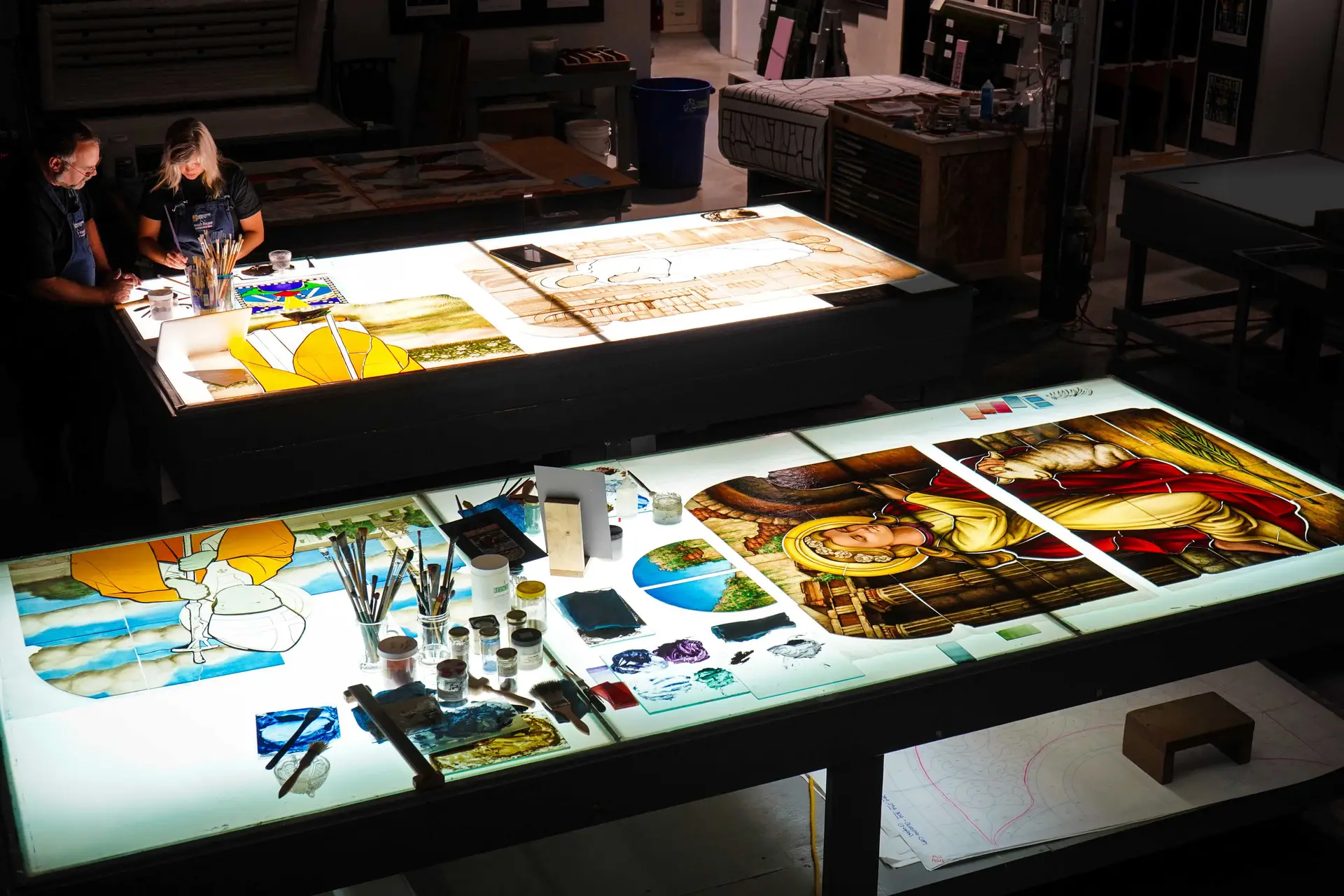
The design workflow follows defined stages to ensure the result meets the client’s brief. It begins with consultation to clarify goals, moves through concept development with sketches and client feedback, and finishes with technical planning that specifies materials and fabrication methods.
Recent research highlights innovative approaches to stained glass design that improve efficiency and can deliver economic benefits.
Customized Stained Glass Design & Fabrication
Three approaches are developed and demonstrated in this study to generate customized painted stained-glass designs for energy efficiency and economic savings.
Design of Alternatives to Stained Glass with Open-Source Distributed Additive Manufacturing for Energy Efficiency and Economic Savings, JM Pearce, 2025
Willet adopts a collaborative approach, keeping clients involved at key points to refine design decisions and ensure satisfaction with the finished work.
Steps Involved in Commissioning
Commissioning follows a structured sequence from initial contact to final installation. The main phases are outlined below to guide client–artist collaboration.
Understanding this structured commissioning framework is essential; published resources are available to assist clients in collaborating with stained glass artists.
Stained Glass Commissioning Process & Artist Collaboration
the process of working with stained glass artists and to establish a format for the commissioning process. It is hoped that this book will help those who are commissioning stained glass to understand the process of working with stained glass artists and to establish a format for the commissioning process.
The color of light: commissioning stained glass for a church, 1999
- Engagement and Initial Consultation: Clients meet designers to set objectives, review the site and agree scope.
- Design Process and Approval: Designers present sketches and refine the chosen concept until the client approves.
- Fabrication and Installation: The approved design is fabricated to specification and installed at the site with final quality checks.
This staged approach helps manage expectations, schedule, and quality control throughout the project.
Important Considerations
Several factors influence the success of a commission:
- Architectural Integration: The window should complement the building’s style and proportions.
- Material Selection: Glass types and support systems affect appearance, light quality, and longevity.
- Budget Planning: A clear budget guides design scope, materials, and fabrication choices.
Successful integration of stained glass within its architectural context is a critical aspect of the design process, ensuring both aesthetic and functional harmony.
Integrating Stained Glass Art with Architecture
The aim of the project was to examine the work of Ludwig Peter Kowalski in connection with stained glass art and architecture in particular, and to attempt to formulate functional, formal, and aesthetic aspects of his work.
Integration of architecture and art in the works of Ludwig Peter Kowalski, 2025
Considering integration, materials, and budget early reduces revisions and supports a durable, cohesive outcome.
What Is the Process for Commissioning Custom Stained Glass Windows?
The process starts with a site visit and brief, then moves to concept sketches and iterations. After design approval, technical drawings and material schedules guide fabrication and quality checks until installation.
This workflow ensures the finished window meets the client’s intent and industry craftsmanship standards.
How Does Willet Stained Glass Studios Collaborate with Clients and Architects?
Willet works jointly with clients and architects from briefing through installation: gathering site data, proposing concepts, incorporating feedback, and coordinating technical details so the project aligns with structural and aesthetic requirements.
Open communication and documented approvals at each phase keep the team aligned and reduce the risk of delays or misinterpretation.
What Are the Key Steps from Design to Installation?
The core stages are:
- Initial Consultation and Concept Development: Define vision and produce initial designs.
- Design Approval and Technical Planning: Finalise specifications and fabrication plans.
- Fabrication and Installation: Manufacture elements to specification and install with finishing inspections.
Clear milestones at each stage support schedule and quality control.
Which Design Ideas Inspire New Stained Glass Commissions?
Inspiration ranges by project and client priority; common sources include thematic narratives, style choices, and architectural context:
- Ecclesiastical and Religious Themes: Narrative and symbolic imagery for liturgical settings.
- Modern and Traditional Styles: From abstract, contemporary palettes to intricate, historic motifs.
These directions shape the conceptual phase and inform material and fabrication choices.
How Are Ecclesiastical and Religious Themes Incorporated?
Designers use iconography, figures, and symbolic motifs to convey narrative depth, applying colour and composition to support liturgical meaning while respecting historical context.
What Modern and Traditional Styles Are Available?
Modern styles favour abstraction and bold colour; traditional work emphasises detailed patterning and historical motifs. The choice depends on the building and client preference.
What Fabrication Techniques Ensure Quality in Handmade Stained Glass Art?
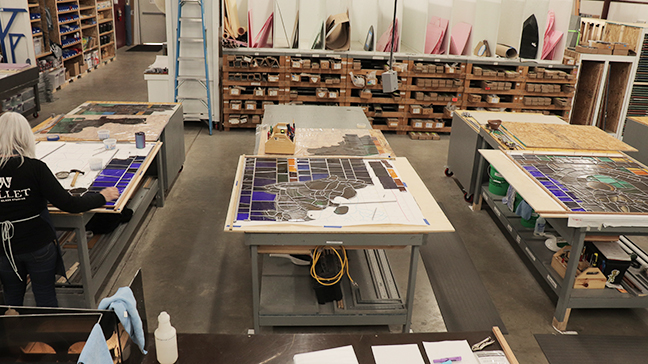
Fabrication technique strongly affects durability and look. Two principal methods are commonly used:
- Lead Came Technique: Traditional method using lead strips to hold glass, valued for strength and the classic lead-line aesthetic.
- Copper Foil Method: Uses copper foil for finer joins and more intricate detail work.
Each method has advantages; the designer selects the approach best suited to the design and site requirements.
How Does the Lead Came Technique Enhance Durability and Aesthetics?
Lead came provides a robust framework and characteristic lead lines that contribute to the window’s visual structure and long-term stability.
What Materials Are Used in Custom Stained Glass Window Fabrication?
Key materials are chosen for both appearance and performance:
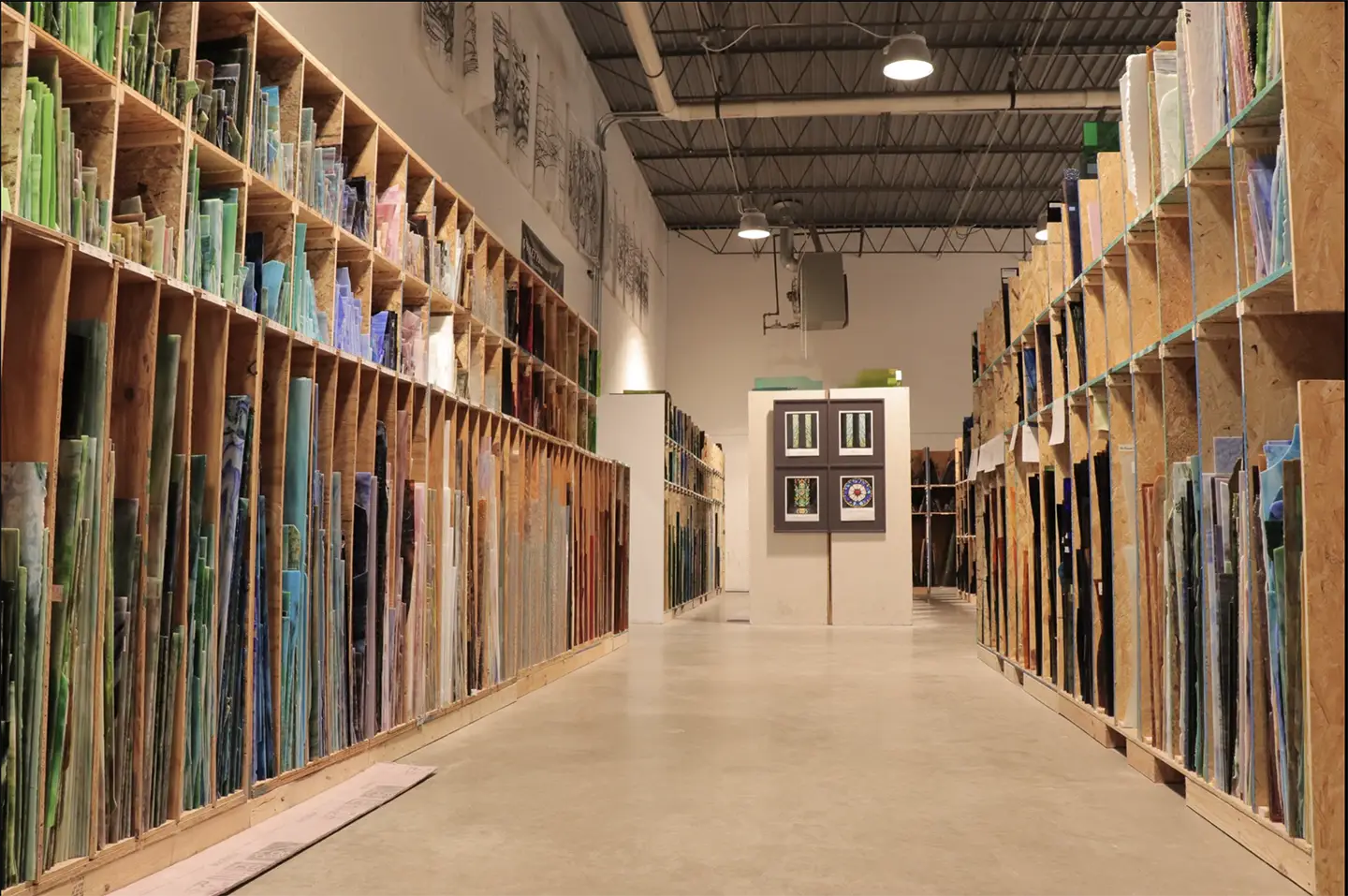
- Types of Glass: Options such as opalescent, cathedral and etched glass provide differing light qualities and textures.
- Lead and Copper Foil: These provide structural support and define the visual joints.
Choosing appropriate materials helps ensure the final piece meets design intent and durability expectations.
How Does Willet Stained Glass Studios Approach Church Stained Glass Restoration?
Willet applies careful conservation methods to preserve historical integrity: cleaning, repairing damaged sections, and reinforcing structure to prevent further deterioration while respecting original materials.
Restoration often accompanies new commissions so units appear cohesive and the overall aesthetic is maintained.
What Are the Methods for Preserving Historical Stained Glass Windows?
Conservation uses specialised cleaning, precise repairs and reversible interventions where possible to protect original glass and lead, ensuring the window’s cultural and artistic value endures.
These measures extend the life and appearance of historic glazing for future generations.
How Is Restoration Integrated with New Commissioned Glass Artwork?
When integrating restored and new work, Willet designs complementary pieces that respect historical context while meeting modern performance and design needs, resulting in a unified visual scheme.