
Integrating Stained Glass into Building Design: Expert Architectural Glass Integration and Structural Coordination
Integrating stained glass into building design is a captivating way to enhance architectural aesthetics while providing functional benefits. This article delves into the techniques, materials, and best practices for incorporating stained glass into modern architecture. Readers will learn about the key design techniques, the importance of structural coordination, and how energy efficiency plays a role in stained glass applications. As architects and designers face the challenge of creating visually stunning yet functional spaces, stained glass offers a unique solution that marries art with engineering. We will explore the best practices for window detailing, the impact of energy efficiency on design, and the differences between historic and modern applications of stained glass.
Architectural Integration and Structural Best Practices
Stained glass window design in architecture involves a blend of artistic expression and technical precision. The primary techniques include the use of custom stained glass panels, which can dramatically enhance the visual appeal of a building’s facade. These panels are crafted using various materials and fabrication methods that define their quality and durability. The integration of stained glass not only serves aesthetic purposes but also contributes to the overall architectural narrative of a space.
How Do Custom Stained Glass Panels Enhance Building Facades?
Custom stained glass panels significantly enhance building facades by adding color, texture, and light modulation. These panels can be tailored to reflect the architectural style of the building, creating a cohesive visual experience. For instance, a modern structure may utilize abstract designs, while a historic building might feature traditional motifs. The interplay of light through stained glass creates dynamic interior environments, transforming spaces throughout the day.
Which Materials and Fabrication Methods Define Quality Stained Glass?
The quality of stained glass is determined by the materials used and the fabrication methods employed. High-quality stained glass typically utilizes lead came or copper foil techniques, ensuring durability and aesthetic appeal. The glass itself can vary in thickness and color, with options ranging from opalescent to transparent varieties. Additionally, the use of UV-resistant coatings can enhance longevity, making the stained glass not only beautiful but also practical for long-term use.
How Is Structural Glass Coordination Essential for Integrating Stained Glass?
Structural glass coordination is crucial for the successful integration of stained glass into architectural designs. This process involves collaboration between architects and structural engineers to ensure that the stained glass installations meet safety and aesthetic standards. Proper coordination helps address challenges such as load-bearing requirements and the integration of glass with other building materials.
What Are the Structural Requirements for Stained Glass Windows?
Stained glass windows must adhere to specific structural requirements to ensure safety and functionality. These include considerations for wind load, thermal expansion, and the weight of the glass itself. Engineers must calculate the appropriate framing and support systems to accommodate these factors, ensuring that the stained glass can withstand environmental stresses while maintaining its integrity.
How Do Architects Collaborate with Engineers for Glass Integration?
Collaboration between architects and engineers is essential for the successful integration of stained glass. Effective communication strategies and project management techniques facilitate this partnership, allowing for the seamless incorporation of stained glass into the overall design. Regular meetings and shared digital models can help both parties address potential issues early in the design process, ensuring that the final installation meets both aesthetic and structural requirements.
What Are Best Practices for Window Detailing in Stained Glass Integration?
Best practices for window detailing in stained glass integration focus on ensuring durability and aesthetic excellence. Proper detailing techniques can significantly enhance the longevity and performance of stained glass installations. This section will explore various techniques that architects and designers can employ to achieve these goals.
Which Window Detailing Techniques Ensure Durability and Aesthetic Excellence?
To ensure durability and aesthetic excellence, several window detailing techniques can be employed:
- Use of High-Quality Materials: Selecting UV-resistant glass and durable framing materials can enhance the lifespan of stained glass installations.
- Proper Sealing: Ensuring that all joints are properly sealed prevents moisture ingress, which can lead to deterioration over time.
- Regular Maintenance: Implementing a maintenance schedule helps preserve the beauty and functionality of stained glass windows.
These techniques not only enhance the visual appeal of stained glass but also contribute to its long-term performance.
How Does Detailing Influence Energy Efficiency in Stained Glass Installations?
Window detailing plays a significant role in the energy efficiency of stained glass installations. By incorporating energy-efficient materials and design strategies, architects can minimize heat loss and improve thermal performance. For instance, using double-glazed units with stained glass can enhance insulation while maintaining aesthetic qualities. This approach not only reduces energy consumption but also contributes to a more sustainable building design.
How Does Energy Efficiency Influence Modern Stained Glass Architectural Design?
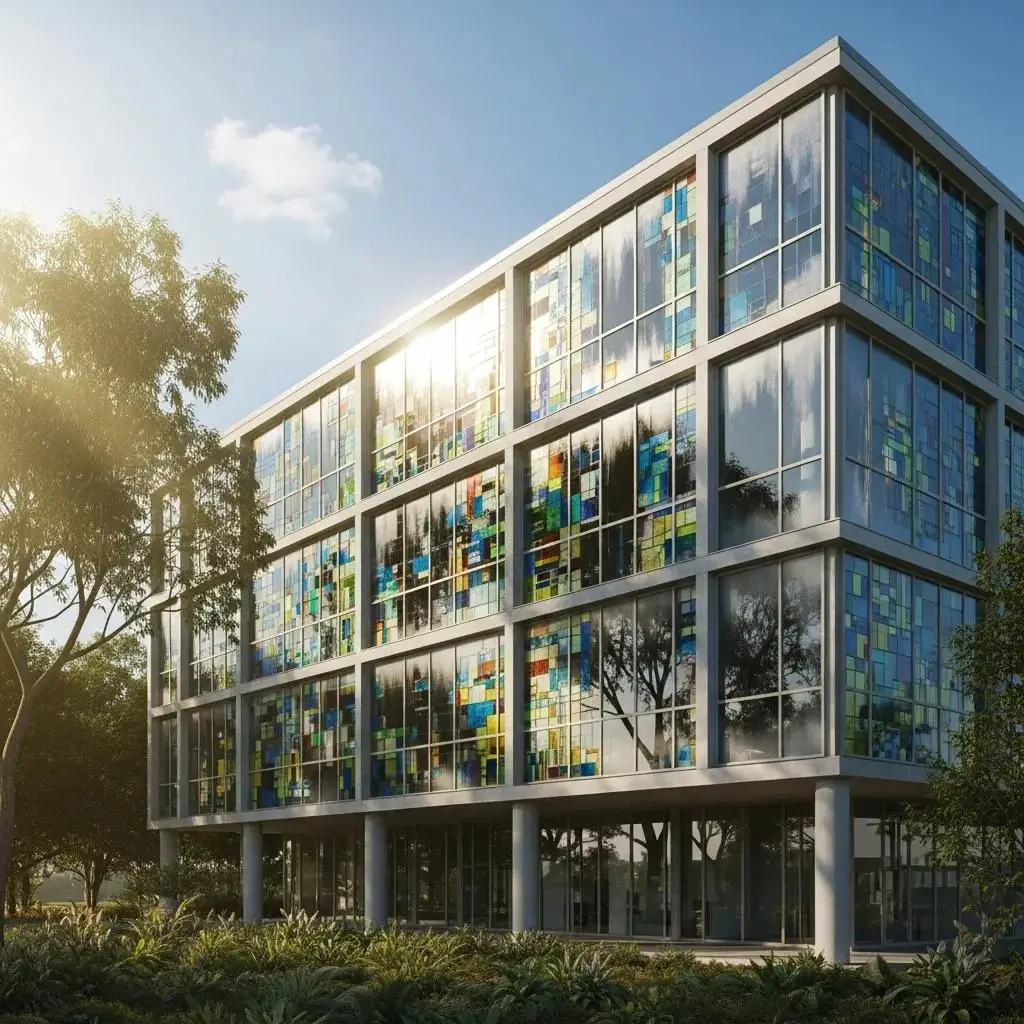
Energy efficiency has become a critical consideration in modern stained glass architectural design. As sustainability becomes increasingly important, architects are exploring innovative ways to integrate stained glass while minimizing energy use. This section will discuss recent advancements and trends in energy-efficient stained glass design.
What Innovations Improve Thermal Performance of Stained Glass?
Recent innovations in stained glass technology have led to improved thermal performance. These include the development of low-emissivity (Low-E) coatings that reflect heat while allowing natural light to pass through. Additionally, advancements in glazing techniques, such as vacuum glazing, provide superior insulation without compromising the aesthetic qualities of stained glass. These innovations enable architects to create beautiful, energy-efficient spaces that meet modern sustainability standards.
How Does Energy Efficient Glass Reduce Building Energy Consumption?
Energy-efficient glass plays a vital role in reducing building energy consumption. By minimizing heat transfer, these glass types help maintain comfortable indoor temperatures, reducing the need for heating and cooling systems. This not only lowers energy bills but also contributes to a reduced carbon footprint. As architects increasingly prioritize energy efficiency, the integration of stained glass with energy-efficient technologies becomes a key aspect of modern design.
What Are the Differences Between Historic and Modern Applications of Stained Glass?
The application of stained glass has evolved significantly from historic to modern contexts. While traditional stained glass was primarily used in religious and civic buildings, contemporary applications span a wide range of architectural styles and functions. This section will explore the differences in techniques, materials, and design philosophies between historic and modern stained glass applications.
How Are Traditional Techniques Preserved in Contemporary Designs?
Many contemporary stained glass artists strive to preserve traditional techniques while incorporating modern design elements. This fusion allows for the creation of unique pieces that honor the craftsmanship of the past while appealing to contemporary tastes. Techniques such as hand-painting and glass blowing are often combined with modern materials and technologies to create innovative designs that resonate with today’s audiences.
What Role Does Digital Design Coordination Play in Modern Projects?
Digital design coordination has revolutionized the way stained glass projects are executed. Advanced software allows architects and artists to create detailed models and simulations, facilitating better collaboration and communication. This technology enables precise planning and execution, ensuring that the final product aligns with the original vision while adhering to structural and aesthetic requirements.
What Are the Recommended Fabrication and Installation Processes for Stained Glass?
The fabrication and installation processes for stained glass are critical to ensuring quality and longevity. Following recommended practices can help avoid common pitfalls and enhance the overall success of stained glass projects. This section will outline the essential steps involved in these processes.
Which Step-by-Step Installation Practices Ensure Quality and Longevity?
To ensure quality and longevity in stained glass installations, the following step-by-step practices are recommended:
- Pre-Installation Assessment: Conduct a thorough assessment of the installation site to identify any potential challenges.
- Proper Framing: Use appropriate framing materials that can support the weight of the stained glass while allowing for thermal expansion.
- Secure Installation: Ensure that the stained glass is securely fastened to prevent movement and damage during extreme weather conditions.
These practices help guarantee that stained glass installations are both beautiful and durable.
How Do Structured Data and Visual Documentation Enhance Project Outcomes?
Structured data and visual documentation play a crucial role in enhancing project outcomes for stained glass installations. By maintaining detailed records of design specifications, materials used, and installation processes, architects can ensure consistency and quality throughout the project. This documentation also facilitates future maintenance and repairs, contributing to the long-term success of stained glass installations.