
How to Repair Stained Glass: Expert Restoration Techniques, Re-Leading Processes & Professional Cleaning Methods
By Amanda Steine, Willet Stained Glass Studios
Stained glass is a beautiful and intricate art form that requires careful maintenance and restoration to preserve its beauty and integrity. This article will guide you through essential techniques for repairing stained glass, including expert restoration methods, re-leading processes, and professional cleaning techniques. Many stained glass panels suffer from wear and tear over time, leading to cracks, loose pieces, or discoloration. Understanding how to effectively restore these panels can help maintain their historical and artistic value. We will explore various restoration techniques, the importance of re-leading for structural integrity, and the best cleaning methods to ensure longevity. Additionally, we will highlight the services offered by Willet Stained Glass Studios, a leader in stained glass restoration.
Expert Restoration Techniques
Expert restoration techniques are crucial for maintaining the integrity and beauty of stained glass panels. These methods typically involve a thorough assessment of the damage, which can include cracks, missing pieces, or deterioration of the lead came. Restoration can be performed onsite or offsite, depending on the extent of the damage and the specific needs of the panel.
- Assessment of Damage: A detailed evaluation helps determine the best course of action for restoration.
- Onsite vs. Offsite Repairs: Some repairs can be conducted in place, while others may require the panel to be removed for more extensive work.
- Lead Came Replacement: Replacing damaged lead came is often necessary to restore structural integrity.
Willet Stained Glass Studios specializes in these restoration techniques, ensuring that each piece is treated with the utmost care and expertise. Their skilled artisans are equipped to handle a variety of restoration challenges, preserving the artistic integrity of each panel.
What Are the Essential Stained Glass Repair Techniques for Cracked or Damaged Panels?
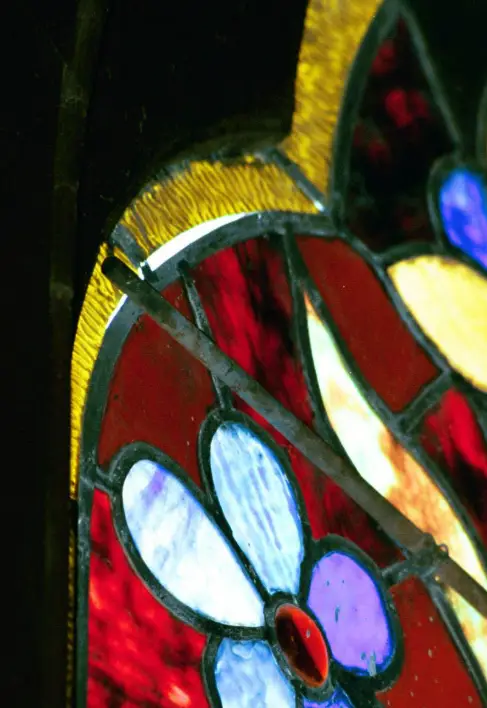
Essential repair techniques for cracked or damaged stained glass panels include:
- Crack Repair: Using specialized adhesives to bond cracked glass pieces together.
- Panel Replacement: In cases of severe damage, replacing entire sections of glass may be necessary.
- Reinforcement: Adding support to weakened areas to prevent further damage.
Research highlights the specific considerations for using adhesives in repairing cracked and broken stained glass.
Adhesives for Cracked & Broken Stained Glass Repair
in glass repair were made on cracked glass because this avoided the need to align broken fragments, but for both cracked and broken glass of flat glass such as stained glass
The significance of the refractive index of adhesives for glass repair, 1984
These techniques are vital for restoring the functionality and aesthetic appeal of stained glass windows.
Re-leading Processes
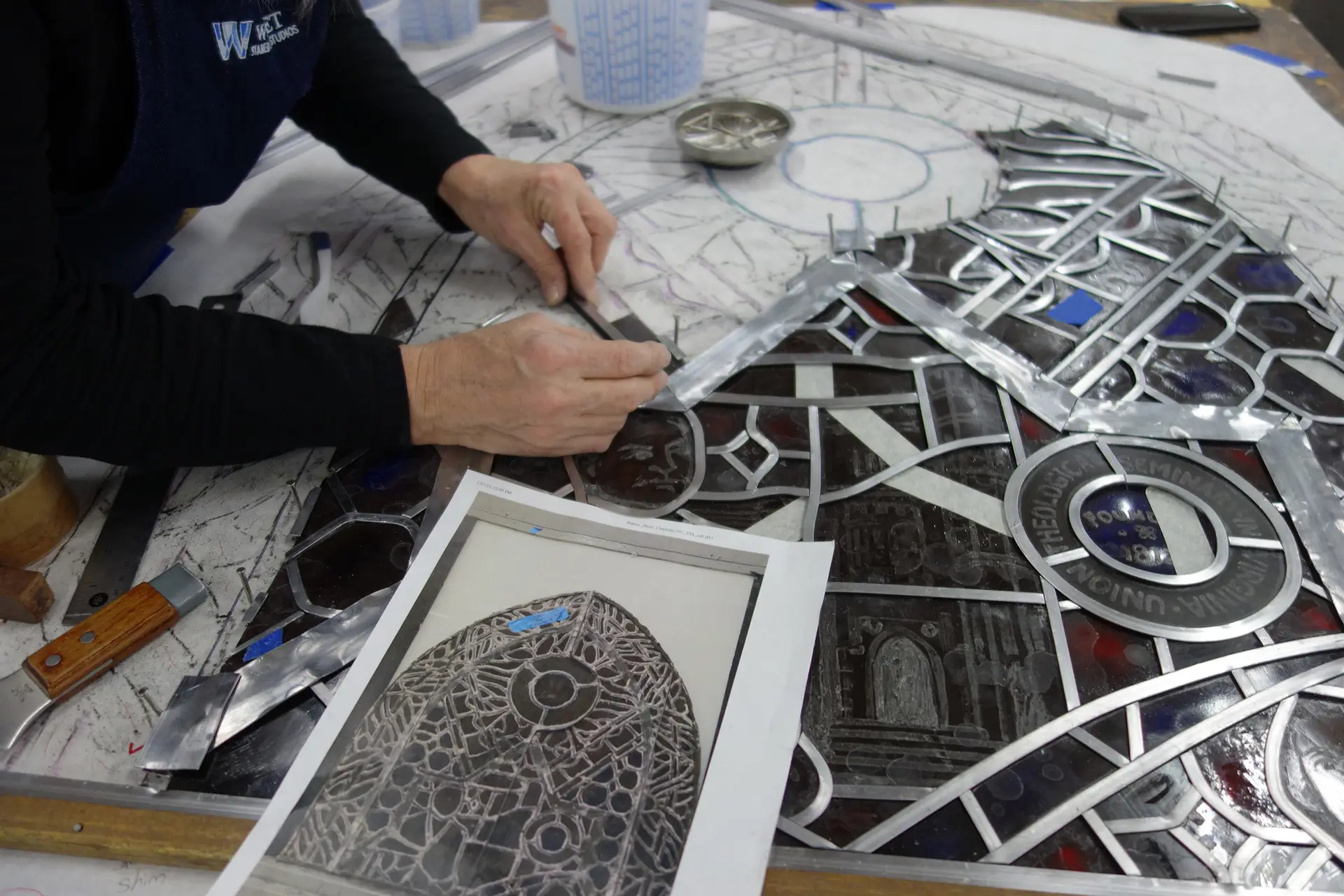
Re-leading is a critical process in stained glass restoration that involves replacing the lead came that holds the glass pieces together. This process not only restores the structural integrity of the panel but also enhances its overall appearance.
- Dismantling Stained Glass Panels: The first step involves carefully removing the panel from its frame to access the lead came.
- Replacement of Lead Came: Damaged or deteriorated lead is replaced with new lead came, ensuring a secure fit for the glass pieces.
- Reassembly of Panels: Once the new lead is in place, the panel is reassembled and secured back into its frame.
The conservation of lead cames is a complex process, with studies exploring how environmental conditions impact their longevity and the overall integrity of stained glass windows.
Conserving Lead Cames in Stained Glass Windows
process, which seems to be directly influenced by the environmental conditions to which the lead cames. The importance of lead came conservation in stained glass windows has been
Patination of historical stained windows lead cames from different European locations, M García-Heras, 2006
Willet Stained Glass Studios offers comprehensive re-leading services, ensuring that each panel is restored to its original condition while maintaining historical accuracy.
How Does Re-Leading Restore Structural Integrity to Stained Glass Windows?
Re-leading restores structural integrity by replacing old, weakened lead came with new material, which provides better support for the glass pieces. This process prevents further cracking and ensures that the panel can withstand environmental stresses. Additionally, re-leading enhances the overall aesthetic by providing a clean and polished look to the panel.
Professional Cleaning Methods
Cleaning stained glass is essential for preserving its beauty and preventing damage. Professional cleaning methods ensure that the glass is cleaned without causing harm to the delicate materials.
- Gentle Cleaning Techniques: Using soft brushes and non-abrasive cleaners to remove dirt and grime without scratching the glass.
- Routine Maintenance Recommendations: Regular cleaning schedules help maintain the appearance and longevity of stained glass panels.
- Protective Coatings: Applying protective coatings can help shield the glass from future dirt accumulation and environmental damage.
The development of effective cleaning methods is a crucial aspect of stained glass restoration, ensuring both efficiency and preservation of historical value.
New Cleaning Methods for Stained Glass Restoration
stages in the restoration–conservation of stained glass is the cleaning method’s efficiency on a greater scale, we can mention the cleaning of the outside faces of stained glass window
A new cleaning method for historic stained glass windows, ML Santarelli, 2008
Willet Stained Glass Studios emphasizes the importance of professional cleaning methods to maintain the artistic and historical value of stained glass windows.
How Is Professional Stained Glass Cleaning Performed to Preserve Artistic and Historical Value?
Professional cleaning involves a meticulous process that prioritizes the preservation of the glass’s artistic and historical value. Techniques include:
- Assessment of Cleaning Needs: Evaluating the level of dirt and grime buildup to determine the appropriate cleaning method.
- Use of Specialized Cleaners: Employing cleaners specifically designed for stained glass to avoid chemical damage.
- Final Inspection: Ensuring that the glass is free from streaks and residues after cleaning.
These steps are crucial for maintaining the integrity and beauty of stained glass windows.
Long-term Maintenance and Preservation
Long-term maintenance and preservation of stained glass require regular inspections and proactive care. Implementing a maintenance plan can help prevent damage and extend the life of stained glass panels.
- Regular Inspections: Conducting periodic checks for signs of wear, such as cracks or loose pieces.
- Proactive Maintenance Plans: Establishing a routine for cleaning and minor repairs to address issues before they escalate.
- Environmental Considerations: Protecting stained glass from extreme temperatures and humidity can prevent deterioration.
By following these maintenance strategies, the beauty and integrity of stained glass can be preserved for generations to come.
Stained Glass Repair Guide: Restoration, Re-Leading & Cleaning
Investing in stained glass restoration is essential for preserving its historical and artistic value. Understanding the various techniques involved in restoration, re-leading, and cleaning can help ensure that these beautiful works of art remain intact. Willet Stained Glass Studios is dedicated to providing comprehensive restoration services, ensuring that each piece is treated with the care and expertise it deserves. By prioritizing maintenance and preservation, we can continue to enjoy the beauty of stained glass for years to come.