Historic Techniques and Ethical Conservation in Stained Glass Restoration: Expert Methods and Practices
By Amanda Steine, Willet Stained Glass Studios
Stained glass restoration is a disciplined craft that unites time-honoured techniques with contemporary ethical conservation. This article examines the principal methods used to restore stained glass and stresses the imperative of safeguarding the integrity of historic windows while observing professional conservation standards. It outlines traditional restoration approaches, the role of period-appropriate materials, and the ethical principles that inform decision-making. As demand for skilled restorers grows, familiarity with these practices is indispensable for practitioners and informed enthusiasts. The guide provides a concise, expert overview of restoration techniques, recognised best practices, and the ethical considerations central to the field.
Expert Restoration Techniques
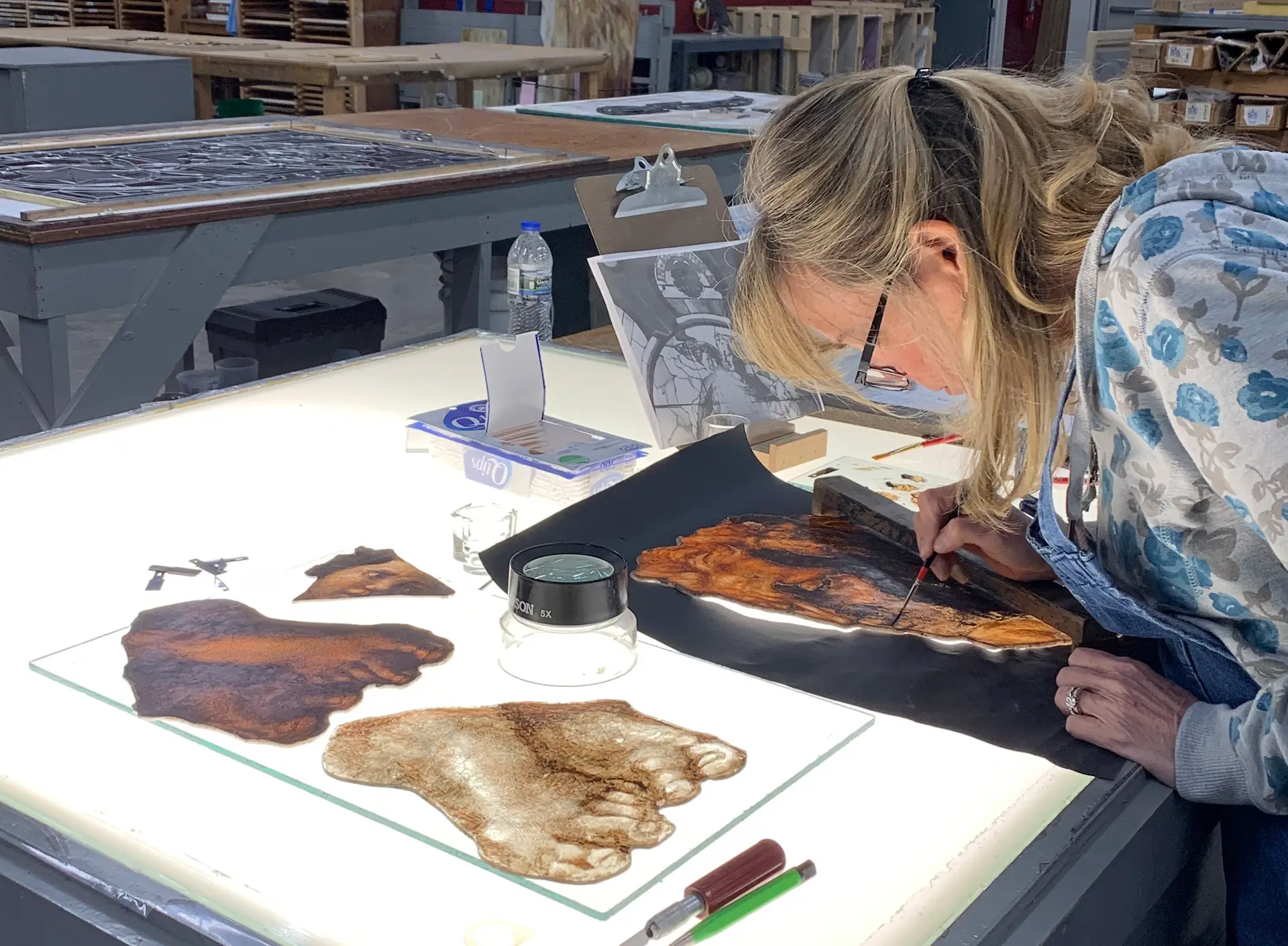
Expert restoration begins with a measured assessment of condition and proceeds with methods that respect original workmanship. The process typically opens with a detailed survey to identify areas for repair or replacement. Established techniques—such as lead came renewal and copper foil assembly—are applied to restore structural function while maintaining historical significance. These interventions preserve the visual character of the glass and ensure that the original design and craftsmanship remain the guiding reference.
How Do Lead Came and Copper Foil Methods Preserve Historic Integrity?
Lead came and copper foil are principal joining methods in stained glass conservation. Lead came uses shaped lead profiles to bind glass pieces, offering resilient support and necessary flexibility; it has been employed for centuries and is fundamental to preserving historic structure. Copper foil involves wrapping glass edges in foil and soldering them, providing a finer approach suited to intricate work. Both methods serve to retain the original character and construction logic of historic windows.
The structural support provided by properly formed lead cames is fundamental; replacement is a routine and accepted remedy when deterioration impairs stability.
Leaded Glass Window Restoration & Lead Cames
Most problems with leaded glass windows “in situ” in North America today relate to the lead cames, which are the structural members of the window. As a routine restoration and maintenance procedure, lead cames should be replaced when they have deteriorated to the point where they no longer provide adequate support for the glass.
Preservation and restoration of leaded glass windows, 1981
What Role Do Period-Appropriate Materials Play in Restoration?
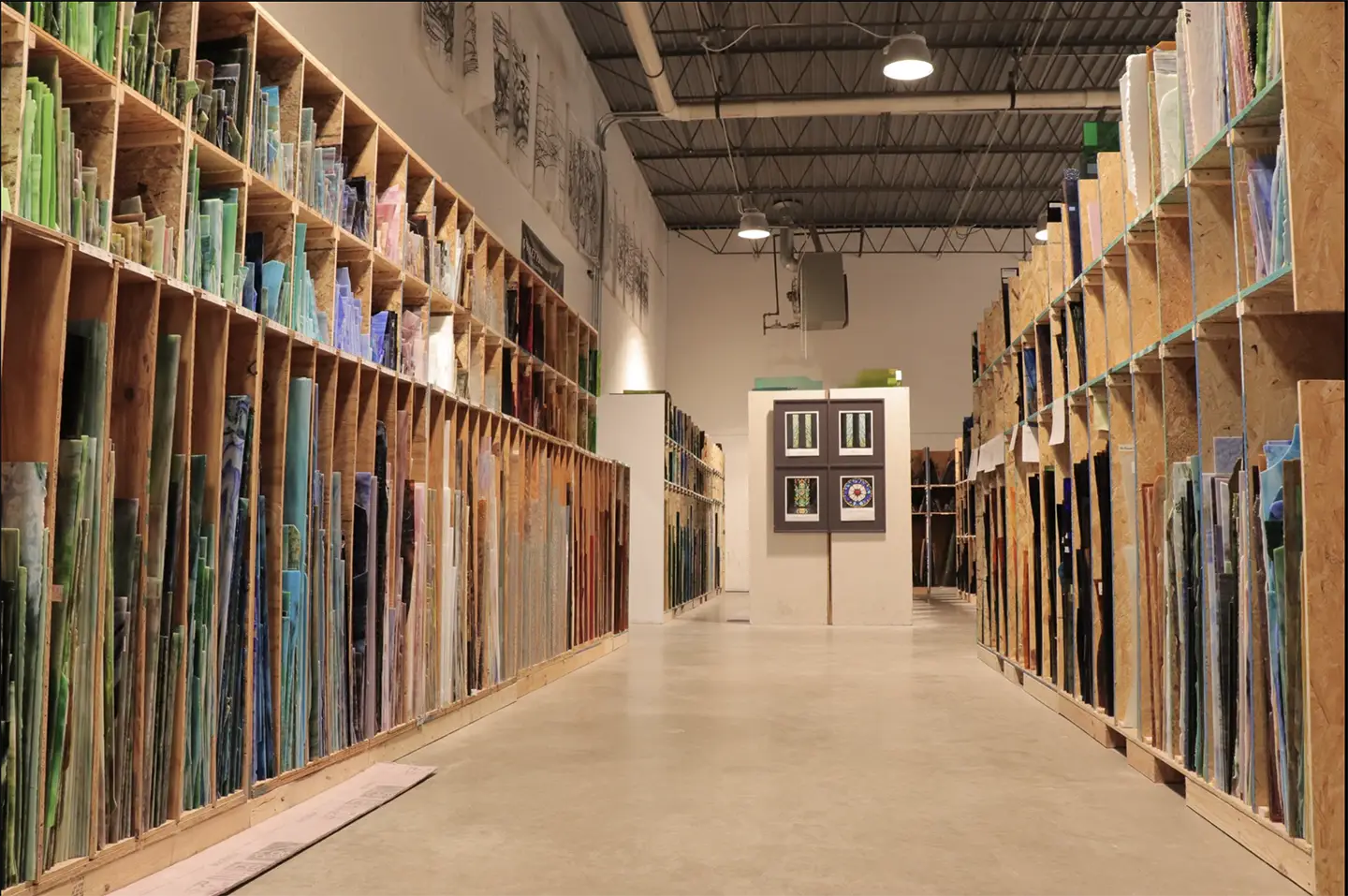
Period-appropriate materials are essential to authentic, long-lasting restoration. Antique glass and traditional lead are procured to match the original components of a window so that visual and structural continuity is maintained. Selecting authentic materials enhances aesthetic fidelity and contributes directly to the durability of the repair. Procuring suitable materials requires specialised knowledge of historical glass types and their physical properties, but it is indispensable for a faithful restoration.
Historic Stained Glass Restoration: Methods & Ethical Conservation
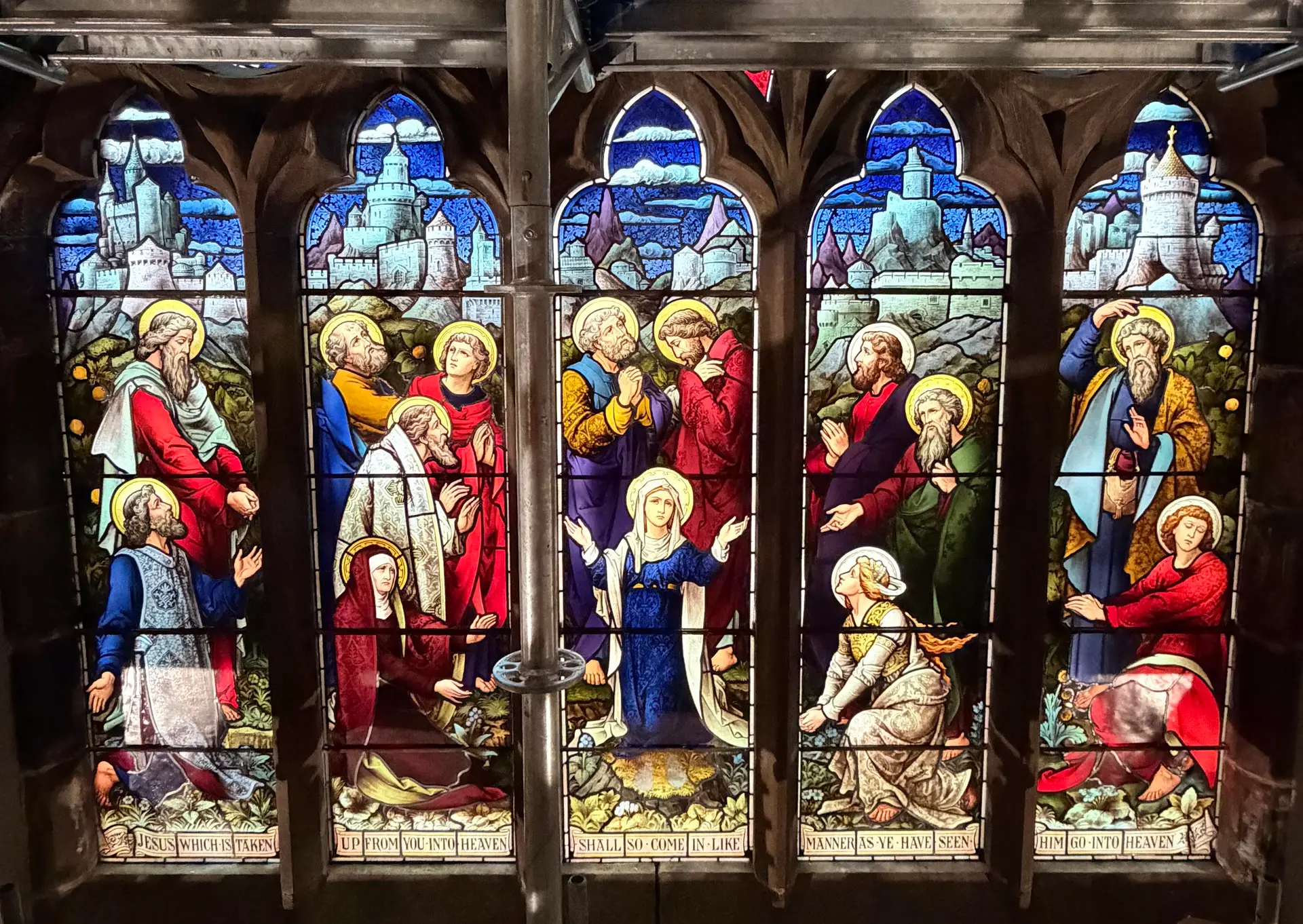
Adherence to best practices is central to high-quality restoration. Core measures include comprehensive documentation of each intervention, strict selection of durable materials, and the use of gentle cleaning techniques to protect fragile surfaces. Documentation provides an enduring record for future conservators and owners. Quality materials and conservative cleaning methods together ensure that restorations remain robust and respectful of the original work.
Willet Stained Glass Studios specialises in the design, fabrication, and restoration of stained glass windows and exemplifies these best practices. Their application of traditional techniques and carefully selected materials ensures that every project honours original craftsmanship while aligning with contemporary conservation standards.
Ethical Considerations
Ethical practice in stained glass restoration requires balancing preservation of original fabric with necessary repairs. Conservators favour minimal intervention, choosing reversible or least-invasive measures where feasible. This restraint respects the maker’s intent while ensuring continued function and appearance. Cultural stewardship is integral to this approach, recognising the historical and community value embodied by stained glass windows.
This holistic approach to conservation highlights the broad responsibilities of the conservator in safeguarding both aesthetic and historic value.
Ethical Conservation of Historic Artifacts
of its aesthetic and historic significance and its physical condition. The conservator carries out the diagnostic examination, conservation and restoration treatment, and preventive conservation. Conservation is often subdivided along materials lines such as paper, textiles, paintings, objects, and architecture.
Focusing beyond the microscope: ethical considerations in conservation, 1997
What Defines Ethical Standards in Stained Glass Conservation?
Ethical standards are grounded in principles that prioritise retention of original materials and craftsmanship. They call for transparency in methodology and thorough documentation of all interventions so that choices are verifiable and defensible. Practitioners are expected to follow guidelines established by recognised conservation bodies, thereby preserving authenticity while addressing necessary stabilisation and repair.
How Does Collaboration Enhance Conservation Outcomes?
Collaboration among conservators, historians, architects, and community stakeholders strengthens restoration outcomes. Shared expertise and resources lead to better-informed choices about techniques and materials. Effective partnerships produce projects that repair physical fabric and also deepen the cultural understanding of the work, reinforcing its significance within its setting.
Where Are Period Materials Sourced for Authentic Stained Glass Fabrication?
Sourcing period materials is a pivotal component of authentic fabrication. Antique glass and traditional lead are typically obtained from specialised suppliers who focus on historical accuracy. These vendors supply components that closely match original materials, enabling restorations that are both visually and structurally faithful to the source work.
How Are Antique Glass and Lead Materials Identified and Selected?
Identification and selection rely on a detailed understanding of historical glass types and their distinguishing traits. Conservators assess specimens for characteristic markings, colouration, texture, and fabrication evidence that indicate age and provenance. Decisions are based on expert judgement to ensure that only appropriate materials are incorporated into a restoration.
What Challenges Exist in Procuring Period-Accurate Materials?
Procurement faces practical constraints, including limited availability and the requirement for rigorous research. Many historic glass varieties are no longer produced, so locating suitable matches demands a network of specialist contacts and careful sourcing. Despite these obstacles, the effort to secure authentic materials is necessary to honour original craftsmanship and achieve lasting results.
What Recent Case Studies Demonstrate Excellence in Historic Stained Glass Restoration?
Recent case studies illustrate the effective application of traditional methods alongside ethical practice. These projects demonstrate the value of careful planning, skilled execution, and adherence to conservation principles in achieving exemplary restoration outcomes.
Beyond conventional methods, the discipline is evolving through advanced technologies and international collaboration that inform contemporary conservation practice.
Stained Glass Conservation: New Technologies & Global Trends
New technologies, such as hyperspectral imaging and laser cleaning, have significantly improved conservation methods. The study also shows an increasing contribution from the United States, alongside the continued leadership of Europe, with more diverse sources of funding reflecting global investment in stained glass research. By offering a comprehensive, long-term analysis, this review fills gaps in previous studies by addressing the lack of integrated research across different fields and regions. It provides useful insights for future research, policy-making, and conservation efforts, highlighting the global importance of stained
W
indows of insight: A review on stained glass research trends, K Leong, 2024
Which 2024-2026 Projects Showcase Traditional Techniques and Ethical Practices?
Projects from 2024 to 2026 exemplify the integration of established craft techniques with rigorous ethical standards. Many of these efforts involved close collaboration with local communities and specialists to ensure that historic significance was preserved while addressing current conservation needs. The results provide practical benchmarks for future restorations and affirm the value of combining technical expertise with ethical stewardship.
How Do Restoration Outcomes Reflect Craftsmanship and Legacy?
Restoration outcomes embody the skill and intent of the original makers. Successful interventions restore the material appearance of the glass and retain the artistic and historical context of the work. By applying traditional techniques within an ethical framework, conservators protect cultural heritage so that future generations may continue to experience and learn from these enduring works.