Key Techniques for Cleaning, Stabilizing & Conserving Stained Glass
By Amanda Steine, Willet Stained Glass Studios
Stained glass is an intricate art that requires deliberate care to preserve both appearance and structural soundness. This article outlines the principal techniques for glass cleaning, stabilization, and conservation, and explains how these measures extend the working life of stained glass installations. Readers will find clear guidance on recognised cleaning approaches, stabilization procedures, and conservation practices essential for proper maintenance. Owners and custodians often encounter challenges in keeping windows in optimal condition; understanding these methods provides practical, effective remedies. The sections below examine cleaning methods, stabilization processes, conservation practices, and the ethical considerations that guide responsible restoration.
Cleaning Methods
Cleaning stained glass must be undertaken with precision to avoid harm. The aim is to remove soiling and deposits without damaging the glass or adjacent materials. Gentle, controlled techniques are essential because harsh chemicals or abrasives can cause irreversible deterioration. Where appropriate, professional intervention is recommended: trained conservators use neutral, pH-balanced solutions and calibrated tools to clean effectively while safeguarding historic fabric.
Willet Stained Glass Studios specialises in professional glass cleaning services. Their craftsmen follow established protocols to ensure windows are cleaned safely and with respect for original materials, preserving aesthetic and material integrity over time.
How Does Professional Glass Cleaning Enhance Stained Glass Longevity?
Professional cleaning increases longevity by removing harmful deposits through non-invasive methods. Techniques such as soft-bristled brushes and pH-balanced solutions eliminate grime without abrading glass or paint. Selective application of protective coatings after cleaning can reduce future deterioration. Routine professional maintenance preserves visual qualities and mitigates long-term structural risks.
Stabilization Processes
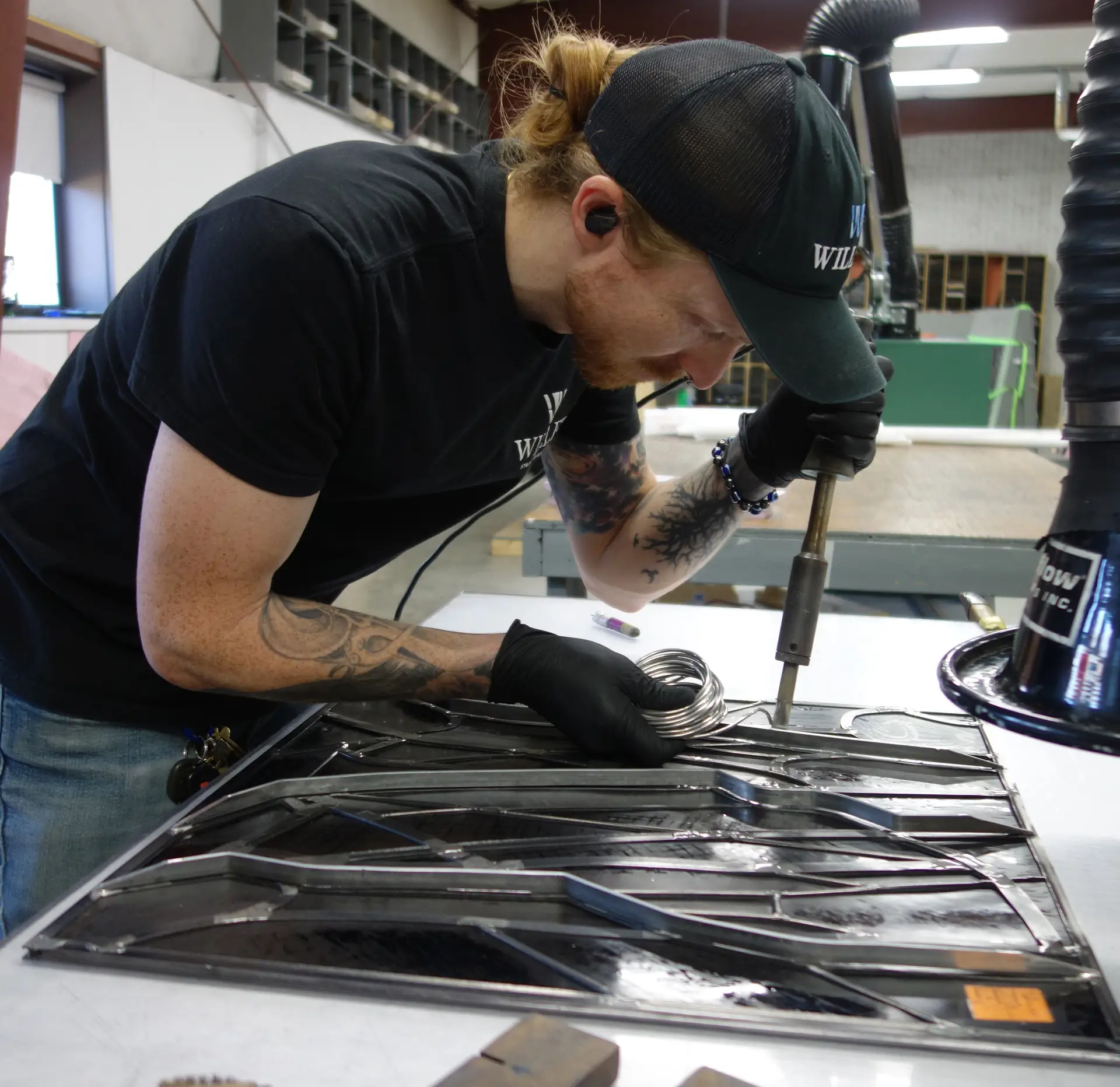
Stabilization reinforces and secures glass to prevent progressive damage. A careful initial assessment establishes condition and priority repairs. Established interventions—such as lead came replacement, edge reinforcement, and compatible modern support materials—are selected to restore stability while respecting the original construction.
Willet Stained Glass Studios applies proven stabilization techniques to return each panel to a stable condition while respecting its historic character and original workmanship.
What Role Does Glass Consolidation Play in Structural Integrity?
Glass consolidation is central where fracture or delamination has occurred. The process typically uses conservation-grade adhesives to bond fractured pieces and arrest further breakage. Non-destructive evaluation techniques assess the effectiveness of consolidation and confirm stability. Proper consolidation protects the artwork and improves resilience to environmental stressors.
Conservation Practices
Conservation takes a holistic view of preserving an artwork’s historical and artistic value. Thorough documentation, including rubbings and records, is essential before any intervention. Traditional techniques such as kiln-fired painting are used where appropriate, and the installation of protective glazing is a common measure to shield glass from environmental damage while maintaining visual integrity.
Further advancements in technology continue to enhance the precision and effectiveness of these conservation efforts.
Advanced Technologies for Stained Glass Conservation
New technologies, such as hyperspectral imaging and laser cleaning, have significantly improved conservation methods. The study also shows an increasing contribution from the United States, alongside the continued leadership of Europe, with more diverse sources of funding reflecting global investment in stained glass research.
Windows of insight: A review on stained glass research trends, K Leong, 2017
Ethical Considerations
Ethical practice is fundamental to stained glass restoration and requires respect for original materials and artistic intent. Minimally invasive interventions are preferred so repairs do not compromise original design or fabric. A commitment to conserving historical significance helps ensure workmanship and meaning are retained for future generations.
What Are the Essential Stained Glass Restoration Techniques?
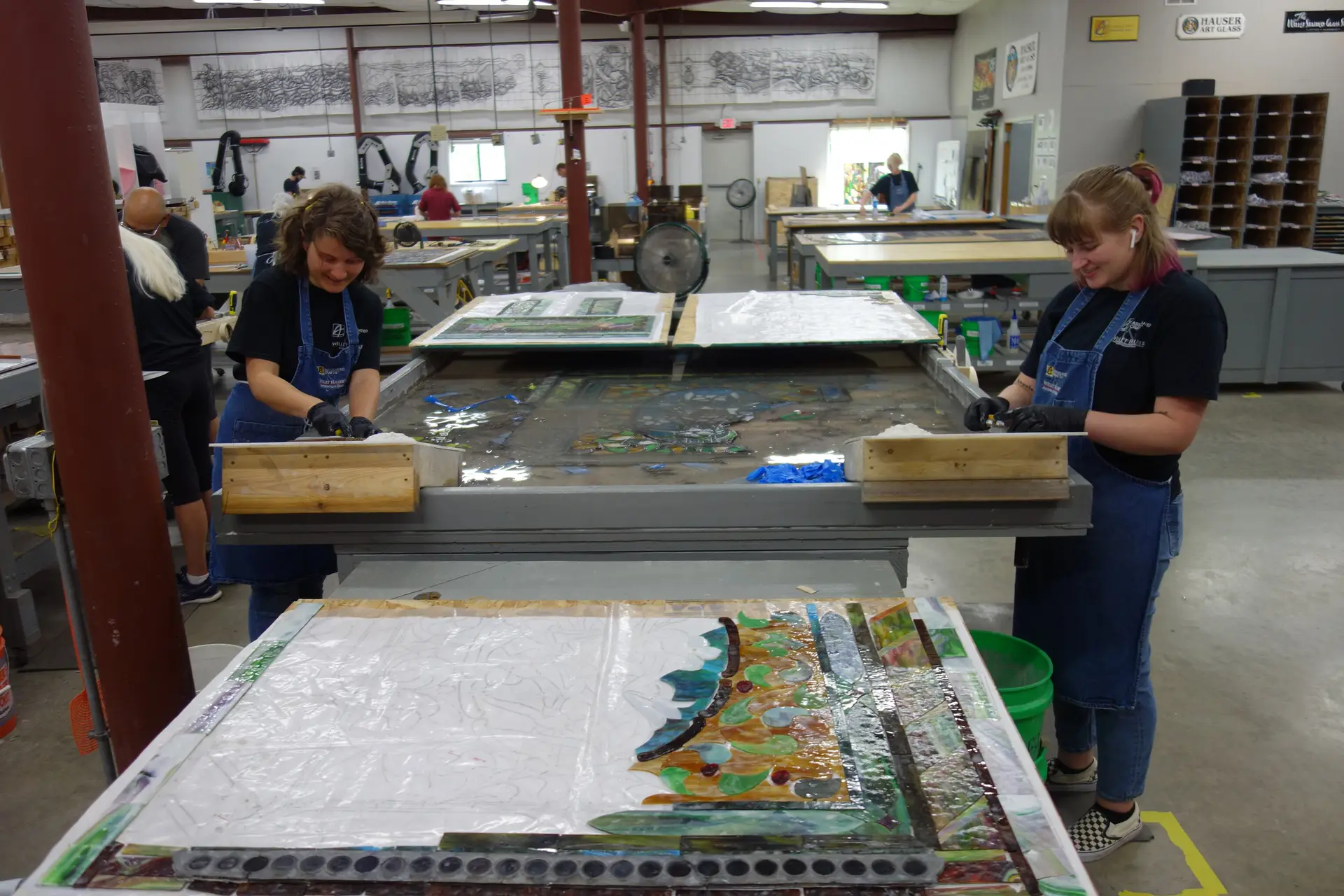
The key techniques for stained glass restoration are cleaning, stabilization, and conservation. Each element plays a defined role in sustaining beauty and structural soundness. Professional expertise is necessary to apply these methods correctly and to preserve the artwork’s historical integrity. Understanding these approaches enables informed stewardship of stained glass installations.
How Does Professional Glass Cleaning Support Conservation Efforts?
Professional cleaning underpins conservation by keeping windows in controlled condition and removing deposits that promote deterioration. Expert methods protect glass and original paint, reducing the need for more invasive repairs. Investment in professional cleaning extends service life and safeguards aesthetic and material value.
What Techniques Ensure Safe and Effective Glass Cleaning?
Safe cleaning relies on soft brushes, pH-balanced cleaners, and, where appropriate, protective coatings. These techniques remove dirt and deposits without damaging glass, lead, or painted surfaces. Trained conservators assess each panel and apply the methods best suited to its condition.
How Often Should Stained Glass Be Professionally Cleaned?
Professional cleaning is generally recommended every five to ten years, depending on site conditions and pollution exposure. Regular maintenance prevents excessive buildup of soiling and reduces the risk of long-term damage. Adhering to a monitoring and cleaning schedule helps ensure stained glass remains in sound condition and retains its aesthetic presence.