Emergency Stained Glass Response and Stabilization: Expert Strategies for Rapid Repair and Protection
In the realm of stained glass conservation, emergencies can arise unexpectedly, necessitating immediate and effective responses. This article delves into the essential strategies for emergency stained glass response and stabilization, providing insights into damage assessment, rapid stabilization techniques, and best practices for temporary repairs. Readers will learn how to identify and evaluate stained glass damage quickly, the criteria that determine the urgency of response, and the collaborative efforts required for effective interventions. By understanding these critical aspects, individuals and organizations can ensure the protection and preservation of stained glass artworks during emergencies.
What Are the Essential Steps in Emergency Stained Glass Damage Assessment?
Assessing stained glass damage during emergencies involves a systematic approach to ensure that the response is both timely and effective. The first step is to identify the types of damage present, which can range from cracks and breaks to complete panel dislodgment. Following this, evaluating the urgency of the situation is crucial, as it determines the necessary actions to prevent further deterioration. Lastly, determining the appropriate response actions based on the assessment is essential for effective stabilization and repair.
How to Identify and Evaluate Stained Glass Damage Quickly and Accurately
To identify and evaluate stained glass damage quickly, visual inspection techniques are paramount. Inspectors should look for visible cracks, missing pieces, or any signs of structural instability. Utilizing technology, such as infrared thermography, can also aid in detecting hidden damage that may not be immediately visible. This combination of methods allows for a comprehensive assessment of the stained glass condition, ensuring that all damage is accounted for.
Which Criteria Determine the Urgency and Extent of Emergency Response?
The urgency of the emergency response is influenced by several criteria. The extent of the damage is a primary factor; significant structural damage or risk of collapse necessitates immediate action. Additionally, the risk of further deterioration, such as exposure to weather elements or vandalism, must be considered. Evaluating these factors helps prioritize response efforts and allocate resources effectively.
Which Rapid Stabilization Techniques Ensure Immediate Protection of Stained Glass?
Rapid stabilization techniques are essential for protecting stained glass immediately after damage occurs. These techniques aim to prevent further deterioration while allowing for a thorough assessment and repair process. Common methods include the use of temporary supports, protective boarding, and glazing solutions that can shield the glass from environmental factors.
What Materials and Methods Are Used for Temporary Stained Glass Stabilization?
Temporary stabilization often involves materials such as plywood for protective boarding and specialized glazing films that can be applied to the glass surface. These materials are chosen for their ability to provide structural support while minimizing further damage. The application methods vary, with some requiring adhesive solutions and others relying on mechanical fasteners to secure the panels.
How Does Protective Boarding and Glazing Prevent Further Damage?
Protective boarding and glazing play a critical role in preventing further damage to stained glass. By covering the glass with sturdy materials, these methods shield it from environmental elements such as rain, wind, and debris. This protective layer not only preserves the integrity of the glass but also allows for a safer environment for repair teams to work in, reducing the risk of accidents during the stabilization process.
What Are the Best Practices for Temporary Stained Glass Repairs During Emergencies?
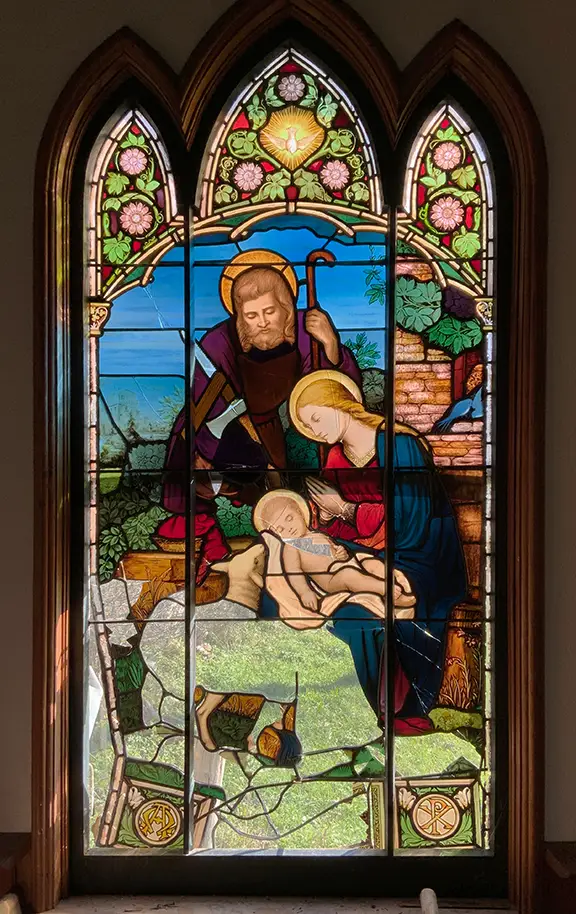
Implementing best practices for temporary repairs is vital to maintaining the structural integrity of stained glass during emergencies. These practices involve using appropriate materials and techniques that align with conservation principles, ensuring that any temporary solutions do not compromise the long-term preservation of the artwork.
How to Implement Temporary Repair Solutions to Maintain Structural Integrity?
To maintain structural integrity during temporary repairs, it is essential to use materials that are compatible with the original glass. This may include using conservation-grade adhesives and supports that do not introduce additional stress to the glass. A step-by-step process should be followed, starting with securing loose pieces, followed by reinforcing the overall structure with temporary supports.
Which Conservation Principles Guide Emergency Repair Actions?
Conservation principles guiding emergency repair actions emphasize minimal intervention and the importance of preserving the original materials. Techniques that prioritize the use of reversible methods are preferred, allowing for future restoration efforts without damaging the original artwork. These principles ensure that temporary repairs do not hinder the long-term conservation of stained glass.
How Does Collaboration Enhance Emergency Stained Glass Response and Stabilization?
Collaboration among various stakeholders is crucial for effective emergency stained glass response. Clients, architects, and conservation experts each play distinct roles in the process, contributing their expertise to ensure a comprehensive approach to stabilization and repair.
What Roles Do Clients, Architects, and Conservation Experts Play?
Clients are responsible for initiating the response and providing necessary information about the stained glass’s history and significance. Architects contribute their design knowledge, ensuring that any repairs align with the original aesthetic. Conservation experts bring specialized skills in restoration techniques, guiding the team in making informed decisions that adhere to best practices.
How to Coordinate Effective Partnerships for Timely Emergency Interventions?
Effective partnerships can be coordinated through clear communication and established protocols. Regular meetings and updates among stakeholders help ensure that everyone is aligned on the response strategy. Utilizing project management tools can also facilitate collaboration, allowing for real-time updates and resource allocation.
What Recent Case Studies and Industry Standards Inform Emergency Stained Glass Care?
Recent case studies and industry standards provide valuable insights into best practices for emergency stained glass care. These examples highlight successful interventions and the lessons learned from various situations, informing future responses.
Which 2024-2026 Examples Demonstrate Successful Emergency Stabilization?
Several case studies from 2024 to 2026 illustrate successful emergency stabilization efforts. For instance, a notable case involved the rapid response to a church’s stained glass windows after a severe storm, where protective boarding was implemented within hours, preventing further damage. These examples serve as benchmarks for future emergency responses.
What Conservation Guidelines and Protocols Govern Emergency Repairs?
Conservation guidelines and protocols emphasize the importance of adhering to established standards during emergency repairs. These guidelines outline best practices for materials, techniques, and documentation, ensuring that all actions taken during an emergency align with the broader goals of preservation and conservation.
How Can Structured Data and Visual Aids Improve Emergency Stained Glass Response Content?
Structured data and visual aids enhance the understanding of emergency stained glass response content. By providing clear, organized information, these tools can improve communication among stakeholders and facilitate better decision-making during emergencies.
What Schema.org Markup Enhances Service and Repair Information Visibility?
Utilizing Schema.org markup can significantly enhance the visibility of service and repair information related to stained glass. This structured data helps search engines understand the content better, improving the chances of reaching individuals in need of emergency services.
How Do Images, Diagrams, and Videos Support Understanding of Stabilization Techniques?
Visual aids such as images, diagrams, and videos play a crucial role in supporting the understanding of stabilization techniques. These resources can illustrate complex processes, making it easier for stakeholders to grasp the necessary steps involved in emergency response and stabilization.