Stained Glass Restoration Techniques: Case Studies & Outcomes
By Amanda Steine, Willet Stained Glass Studios
Stained glass restoration combines craft and technical skill to preserve the appearance and structural integrity of historic windows. This article summarizes proven restoration methods, illustrated by case studies and outcomes, and explains practical maintenance approaches along with the cultural and spiritual value these projects sustain.
Expert Restoration Techniques
Restoration uses targeted techniques to conserve glass and its supporting framework. Key methods address condition assessment, repair location, lead came renewal, and durable paint application to preserve aesthetics and historical authenticity.
- Assessment of Damage: Evaluate condition and plan interventions.
- Onsite vs. Offsite Repairs: Choose the setting that best protects the work and the building.
- Lead Came Replacement: Renew deteriorated came to restore alignment and support.
- Kiln-Fired Paint Application: Use fired paints for permanent color and detail retention.
Willet Stained Glass Studios documents these methods across projects to record technique and results.
Long-term Maintenance and Preservation
Routine inspections and proactive maintenance extend the life of restored windows. Protective glazing and tailored maintenance plans reduce future repair needs while preserving light transmission and appearance.
- Regular Inspections: Detect problems early to avoid major repairs.
- Proactive Maintenance Plans: Scheduled care tailored to each window lengthens lifespan.
- Protective Measures: External glazing and UV control protect glass from environmental harm.
These strategies reflect best practice and a commitment to long-term conservation.
Spiritual and Cultural Impact
Restoration preserves cultural memory and reinforces the spiritual atmosphere of sacred spaces. Carefully restored windows renew visual narratives and support a building’s historic identity.
- Enhancement of Aesthetic Appeal: Restored windows enrich interiors and draw visitors.
- Reinvigoration of Spiritual Energy: Restored craftsmanship can uplift congregational experience.
- Preservation of Cultural Values: Maintenance honors the work of past artisans and community heritage.
Well-executed restoration conserves fabric while keeping the stories in the glass accessible to future generations.
What Are the Key Techniques in Stained Glass Restoration?
Effective restoration is built on careful evaluation, gentle cleaning, and accurate repair or replacement of glass elements that match original color and texture.
- Initial Assessment and Documentation: Record condition and history to guide work.
- Cleaning: Use methods that reveal original color without damage.
- Repairing or Replacing Damaged Glass: Match materials and joinery to preserve visual continuity.
These practices form the foundation of responsible conservation.
How Does Lead Came Repair Enhance Window Stability?
Lead came forms the structural framework for stained glass; replacing failed came restores support, proper alignment, and the window’s intended appearance.
- Structural Integrity: New came stabilizes panels and prevents movement.
- Aesthetic Continuity: Correct came keeps original sightlines and design clarity.
Accurate came repair is essential for both safety and visual authenticity.
What Conservation Methods Preserve Historic Glass Integrity?
Conservation favors retaining original material while adding measures that slow deterioration and minimise intervention.
- Protective Glazing: Adds a shield against weather and physical damage.
- Regular Maintenance: Routine checks prevent small issues from becoming major repairs.
These methods maintain appearance and historic value with limited alteration.
Which Historic Church Window Repair Projects Showcase Our Expertise?
Willet Stained Glass Studios’ project portfolio includes extensive church restorations that demonstrate careful craftsmanship and historic fidelity. Notable examples include:
- St. Mary’s Cathedral: Comprehensive restoration of the cathedral’s windows, reviving color and detail.
- First Presbyterian Church: Careful repairs that preserved historic character while improving stability.
These commissions highlight consistent attention to detail and documentation.

What Are Notable Before and After Restoration Examples?
Before-and-after records show how interventions recover hidden color and structural soundness. Examples include:
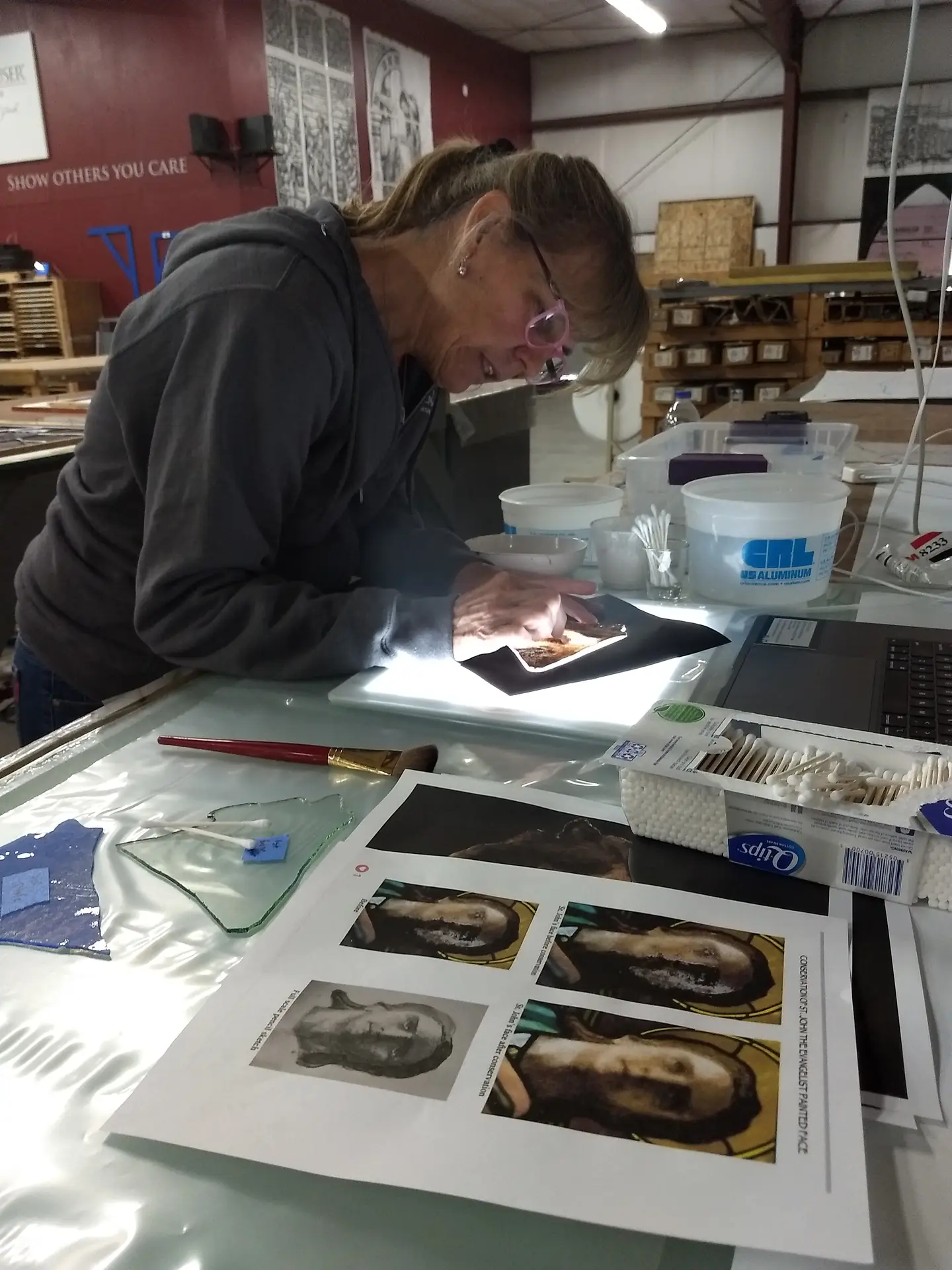
- St. John’s Church: Revealed lost color and restored interior light quality.
- Grace Episcopal Church: Repairs preserved beauty and enhanced structural performance.
These case studies illustrate how targeted work recovers detail and secures longevity.
How Do Custom Fabrication Solutions Address Unique Architectural Needs?
Custom fabrication adapts stained glass to each building’s scale and style through tailored design and close collaboration with architects and design professionals.
- Tailored Design Process: Design to suit historic context and structural constraints.
- Collaboration with Architects: Coordinate with architects to integrate glass into the overall vision.
Bespoke fabrication ensures compatibility with both aesthetics and function.
How Do Restoration Outcomes Reflect Craftsmanship and Quality?
Outcomes depend on material selection and workmanship: quality glass, appropriate came, and skilled technique yield durable, faithful restorations.
- Use of Premium Materials: Durable materials extend service life.
- Techniques Employed: Experienced craftsmen produce reliable results.
When material and method align, the original artistry is honored and performance is improved.
What Client Testimonials Highlight Successful Conservation Projects?
Client feedback frequently emphasizes satisfaction with restored appearance and improved structural integrity, and positive project experiences support long-term client relationships.
- Client Feedback: Clients report appreciation for restored beauty and stability.
- Project Satisfaction: Good process and outcomes foster repeat commissions.
Testimonials underscore the practical and aesthetic value of meticulous conservation work.
How Are Restoration Results Documented Through Visual Case Studies?
Visual case studies pair high-quality photography with technical notes to create a complete project record for clients and future reference.
- High-resolution Photography: Photos document condition and progress at each stage.
- Detailed Notes and Sketches: Technical records explain methods and decisions for future maintenance.
Clear documentation demonstrates capability and helps clients make informed choices.