Our Expert Process for Custom Stained Glass Design
The design development for new stained glass is a meticulous process involving multiple stages that ensure the final artwork is not only aesthetically pleasing but also structurally sound and compliant with regulatory standards. Throughout this article, we will explore the comprehensive workflow involved in stained glass design, including the key stages from conceptualization to final installation. Many artists and clients face challenges in navigating the approval processes and material selection for stained glass, which can lead to confusion and delays. This guide aims to illuminate the stages of development while providing insights into stakeholder collaboration and material specifications. Additionally, we will discuss the integration of digital tools that enhance design efficiency and quality control during fabrication. The sections to follow will cover the stained glass design process stages, stakeholder collaboration, essential material selections, the role of digital tools, and best practices for installation.
What Are the Key Stages in the Stained Glass Design Process?
The stained glass design process consists of several distinct stages that guide the project from the initial concept to the final fabrication and installation. Understanding these stages is crucial for both designers and stakeholders involved in commissioned work. The primary stages include identifying the design concept, securing stakeholder approvals, and commencing fabrication, all while ensuring the artistic vision aligns with practical constraints such as budget and timelines.
How Is Conceptual Design Established in Stained Glass Projects?
Conceptual design in stained glass projects begins with initial inspiration, which can stem from various sources such as architecture, nature, or cultural symbols. Designers create sketches that incorporate feedback from clients and stakeholders to ensure that the proposed design aligns with their vision and requirements. Artistic styles heavily influence the design’s development, where considerations of color, form, and light interplay are paramount. Effective communication at this early stage is essential, as it lays the groundwork for the entire project.
What Steps Constitute Fabrication and Technical Detailing?
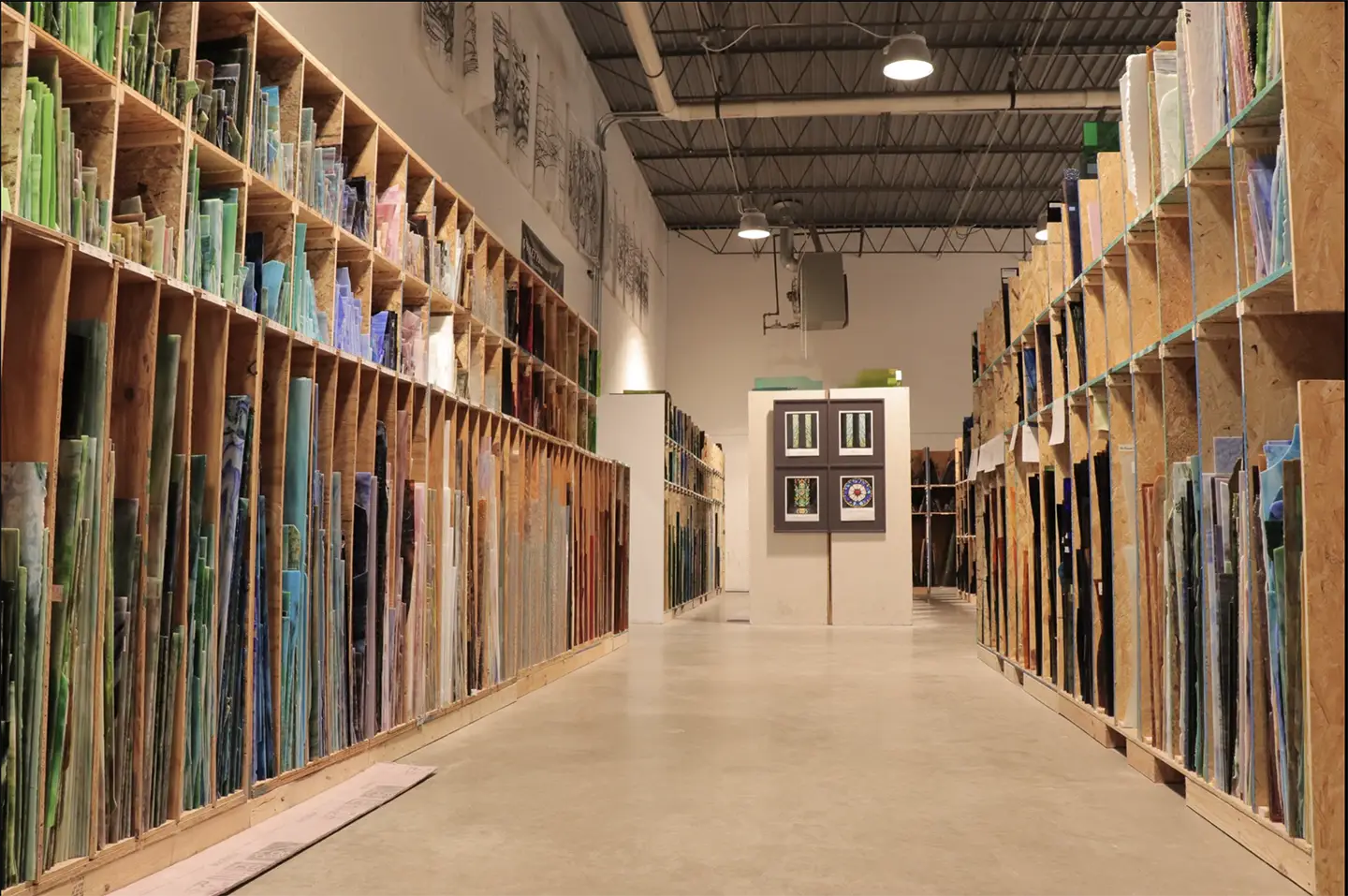
Once the conceptual design is approved, the next stage involves detailed technical specifications and fabrication processes. Designers focus on the types of glass to be used, production timelines, and custom detailing options that meet the specific requirements of the project. Technical detailing ensures that all structural elements, including the type of lead came or copper foil, are accurately specified for production. Specific fabrication techniques are employed to create the unique features of stained glass, from cutting glass pieces to preparing the necessary framework for installation.
How Do Stakeholders Collaborate During Approval Workflows for Stained Glass?
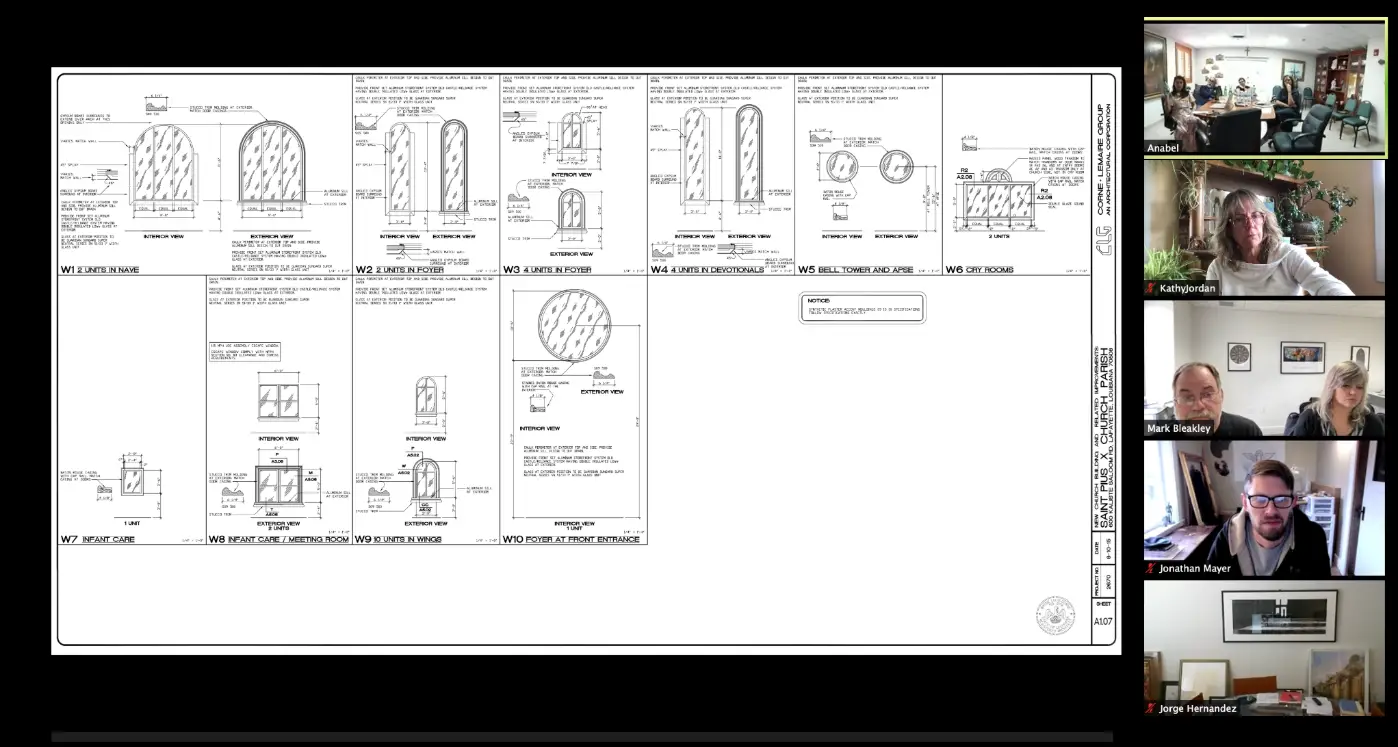
Collaboration among stakeholders is critical during the approval workflow in stained glass design projects. This process ensures that all parties involved are aligned in terms of vision, execution, and final approval of the design.
What Is the Role of Architects, Designers, and Clients in Design Approval?
Architects, designers, and clients each play significant roles in the design approval process. Architects typically provide the vision for how the stained glass will fit into the broader architectural context, focusing on both aesthetic and functional requirements. Designers contribute their artistic insights and technical knowledge, while clients have the ultimate authority to approve designs based on their preferences and budget constraints. Communication and feedback between these parties create a collaborative environment that enhances the design outcome.
Which Best Practices Ensure Efficient Design Review and Sign-Off?
To ensure an efficient design review and sign-off process, the following best practices should be adopted:
- Setting Clear Timelines: Establishing deadlines for each phase of the approval process helps keep the project on track.
- Documenting Feedback: Maintaining detailed records of stakeholder feedback ensures everyone is informed and aligned with decisions made.
- Ensuring All Parties Are Informed: Regular updates and communication help prevent misunderstandings and ensure that everyone is on the same page.
These practices streamline the approval process, significantly reducing the risk of delays associated with miscommunication.
What Are the Essential Material Selections and Technical Specifications for New Stained Glass?
Selecting the appropriate materials and technical specifications is vital for the performance and durability of stained glass installations. This section provides insights into the various glass types available and essential considerations for their application in design.
Understanding the properties and characteristics of these glass options helps designers choose materials that best fit the artistic and practical needs of their projects.
Which Glass Types and Components Are Preferred for Quality and Durability?
The quality and durability of stained glass depend heavily on the types of glass selected. Leaded glass remains a common choice for its resilience and visual depth. Newer materials like fused glass offer innovative design possibilities, while simulated glass can be preferred for applications requiring lighter, more transportable features. Designers must consider the interplay of glass thickness and application suitability to ensure the final product meets specific performance standards.
How Do Innovations in Materials Impact Traditional Stained Glass Design?
Innovations in glass technology continue to influence traditional stained glass design positively. For instance, advancements in tempered glass and synthetic options provide increased durability and safety without compromising aesthetic qualities. However, challenges arise in maintaining the authentic look and feel of traditional stained glass while employing modern materials. Balancing these new innovations with historical aesthetics is crucial for designers aiming to respect traditional methods while embracing progress.
How Are Digital Tools Integrated into the Stained Glass Design Development Workflow?
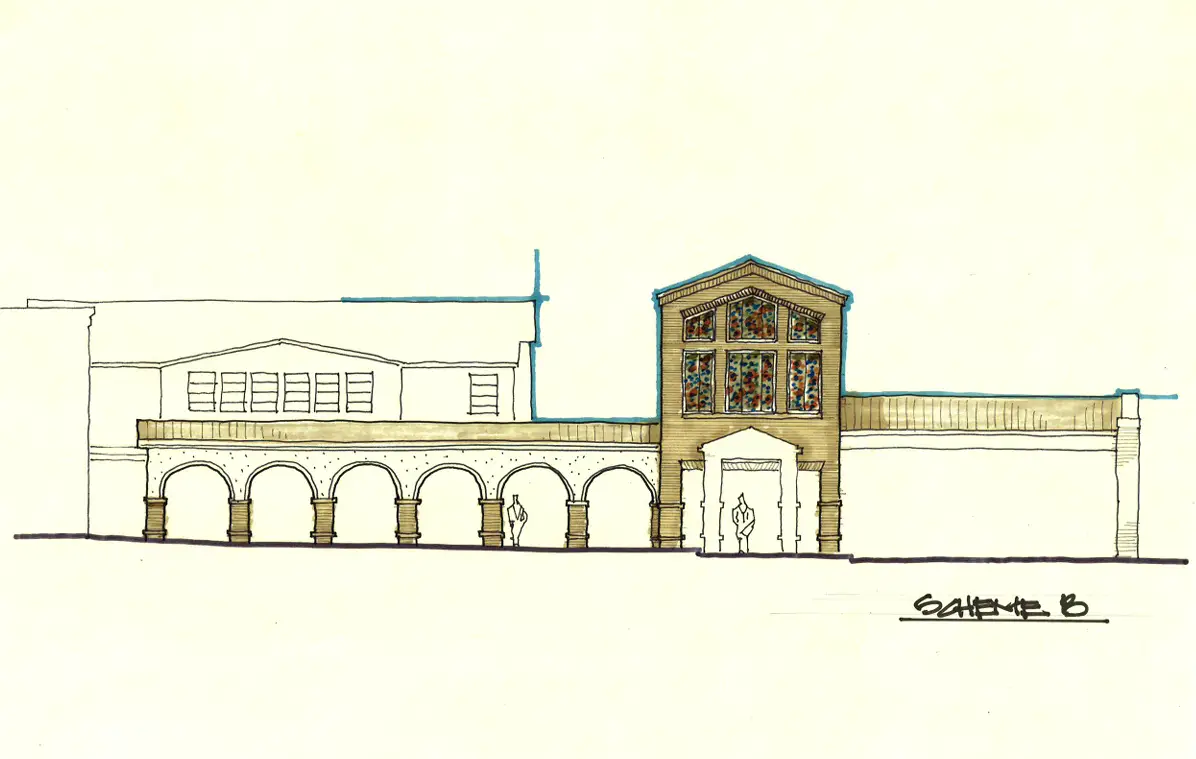
Digital tools have become integral to the design development process for stained glass, enhancing both efficiency and precision.
Which Software and Technologies Optimize Design and Visualization?
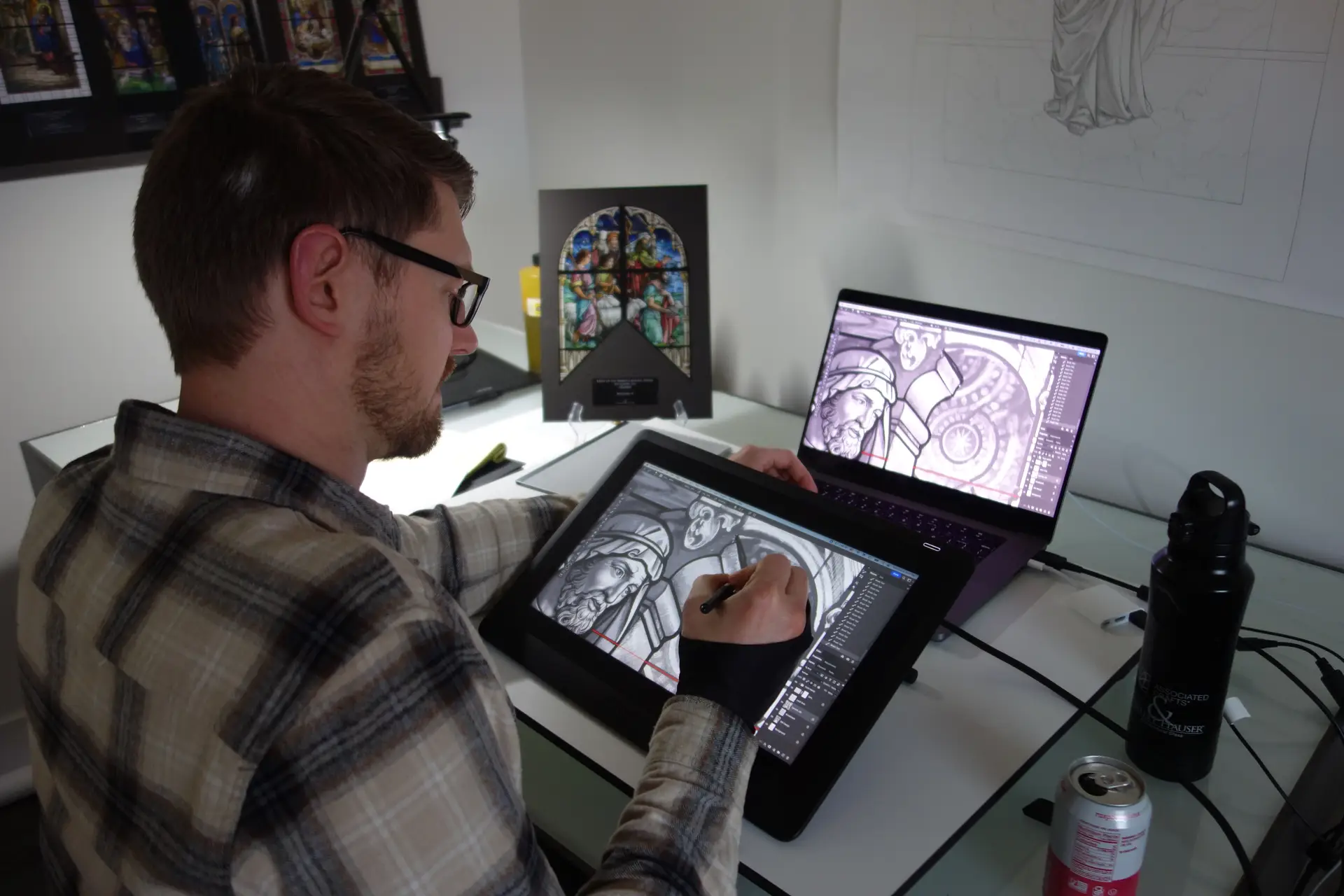
Several software options exist that optimize both design and visualization in stained glass projects. For example, tools like CAD software allow for precise drafting and modifications, while 3D modeling software creates realistic visualizations of the stained glass when introduced to light. These tools allow designers to experiment with color palettes, textures, and layouts much more effectively than traditional hand-drawing methods.
How Does Automation Influence Fabrication and Quality Control?
The integration of automation in the fabrication process has revolutionized quality control within stained glass production. Automated cutting machines and precision tools ensure that glass pieces are cut to exact specifications, minimizing human error and waste. Moreover, automated quality control mechanisms help verify the integrity of materials and adherence to design specifications, enhancing overall project quality and efficiency.
What Installation and Quality Assurance Practices Ensure Superior Stained Glass Results?
Installation and quality assurance are pivotal in delivering superior stained glass results that adhere to the original design vision and meet performance expectations.
How Is Installation Coordinated with Architectural Planning?
Successful stained glass installation necessitates thorough coordination with architectural planning to ensure that the artwork is integrated seamlessly into the overall structure. Designers and craftsmen should collaborate closely with architects regarding the timing and logistics of installation, taking into account factors such as site accessibility and environmental conditions. This meticulous planning aids in avoiding common pitfalls associated with stained glass installations and enhances aesthetic integration.
Which Quality Control Measures Verify Design and Material Integrity?
To maintain aesthetic and structural integrity, various quality control measures must be implemented during both fabrication and installation. These include thorough inspections of glass pieces for flaws, adherence to design specifications, and testing material resilience under various conditions. Employing a systematic approach to quality control ensures that all aspects of the stained glass artwork are up to standard and ready for installation, leading to a successful project outcome.