Comprehensive Design Consultation for Stained Glass Projects: Expert Guidance from Concept to Completion
By Amanda Steine, Willet Stained Glass Studios
Design consultation for stained glass transforms artistic intent into durable, site-appropriate installations. This guide summarizes the consultation workflow, key design decisions, and practical measures that preserve beauty and longevity. It also describes how Willet Stained Glass Studios works with clients and architects to produce bespoke, technically sound designs that meet project requirements.
Step-by-Step Consultation Process
The consultation moves a project from concept to installation through a sequence of focused stages that address aesthetic and technical needs.
- Initial Consultation: An opening meeting to establish goals, style preferences, use, budget, and schedule.
- On-Site Assessment: A site visit evaluates architectural context, sightlines, and lighting to guide material and design choices.
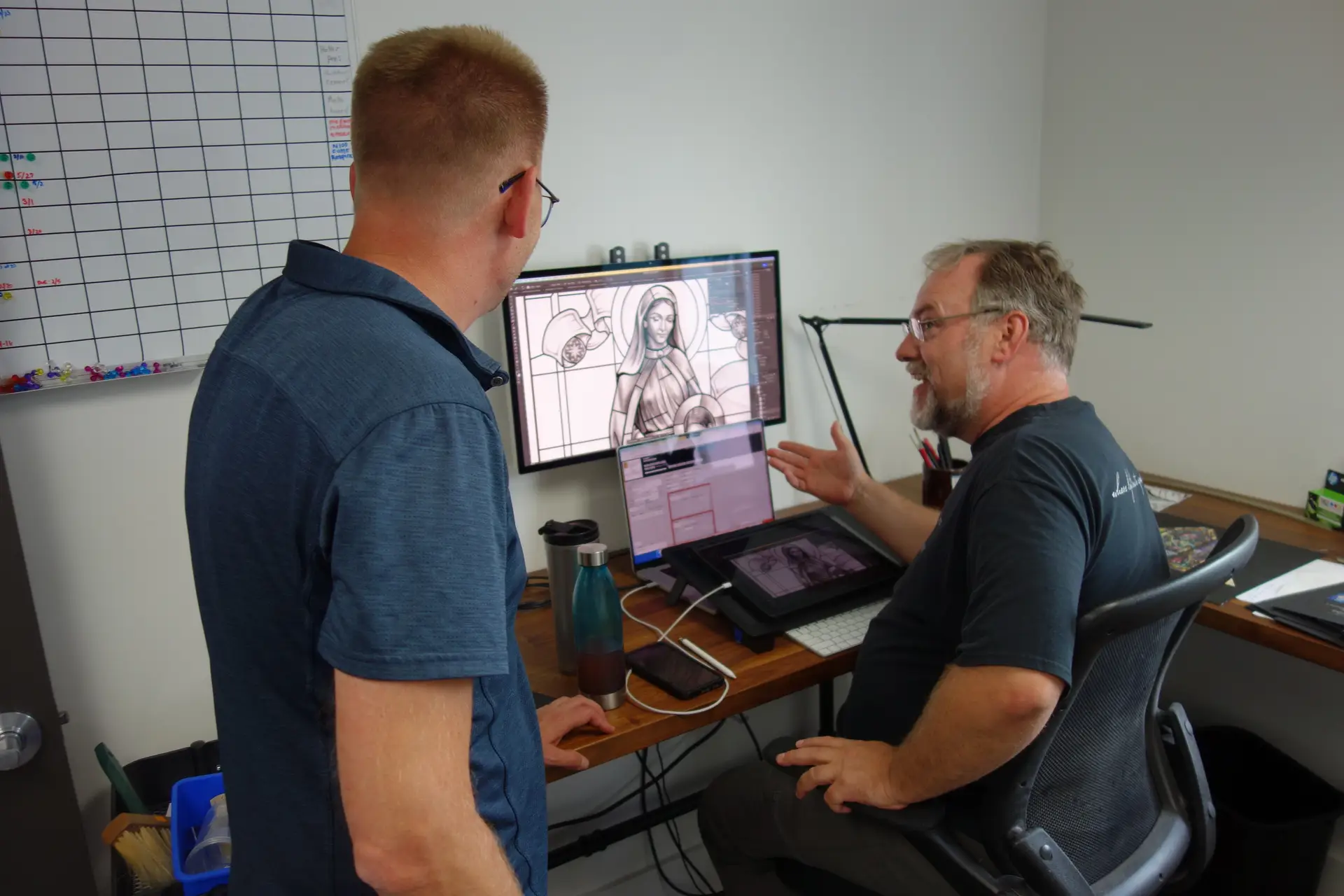
- Concept Development: Preliminary designs are produced and refined with client feedback before technical planning and fabrication.
Willet applies established procedures and technical expertise at each phase to ensure outcomes that reflect the client’s vision and the site’s constraints.
From Concept to Installation: Stained Glass Design Consultation
Successful stained glass balances visual impact, durability, and integration with its setting.
- Architectural Integration: Designs should complement surrounding architecture and enhance the space.
- Durability of Materials: Choosing quality glass, lead came, and supporting systems is essential for long-term performance.
- Collaboration with Clients and Architects: Clear communication ensures the final work meets aesthetic, structural, and code requirements.
Experience in these areas helps Willet deliver precise, long-lasting installations.
Best Practices
Following proven practices reduces risk, shortens decision cycles, and improves final quality.
- Engage Stakeholders Early: Early involvement aligns expectations and identifies constraints.
- Encourage Iterative Feedback: Regular reviews during design and fabrication allow timely refinements.
- Implement Quality Control: Inspecting work during fabrication prevents issues before installation.
These measures streamline projects and protect design intent through completion.
How Does Willet Stained Glass Studios Collaborate with Clients and Architects?
Willet treats collaboration as a disciplined partnership: requirements are recorded, intent is clarified, and milestones are set. Regular design reviews and status updates keep clients informed, while on-site assessments guide technical choices. The result is installations that are visually appropriate and functionally reliable.
Which Materials and Techniques Define Superior Stained Glass Craftsmanship?
Superior work depends on careful material selection and time-tested techniques that produce both beauty and resilience.
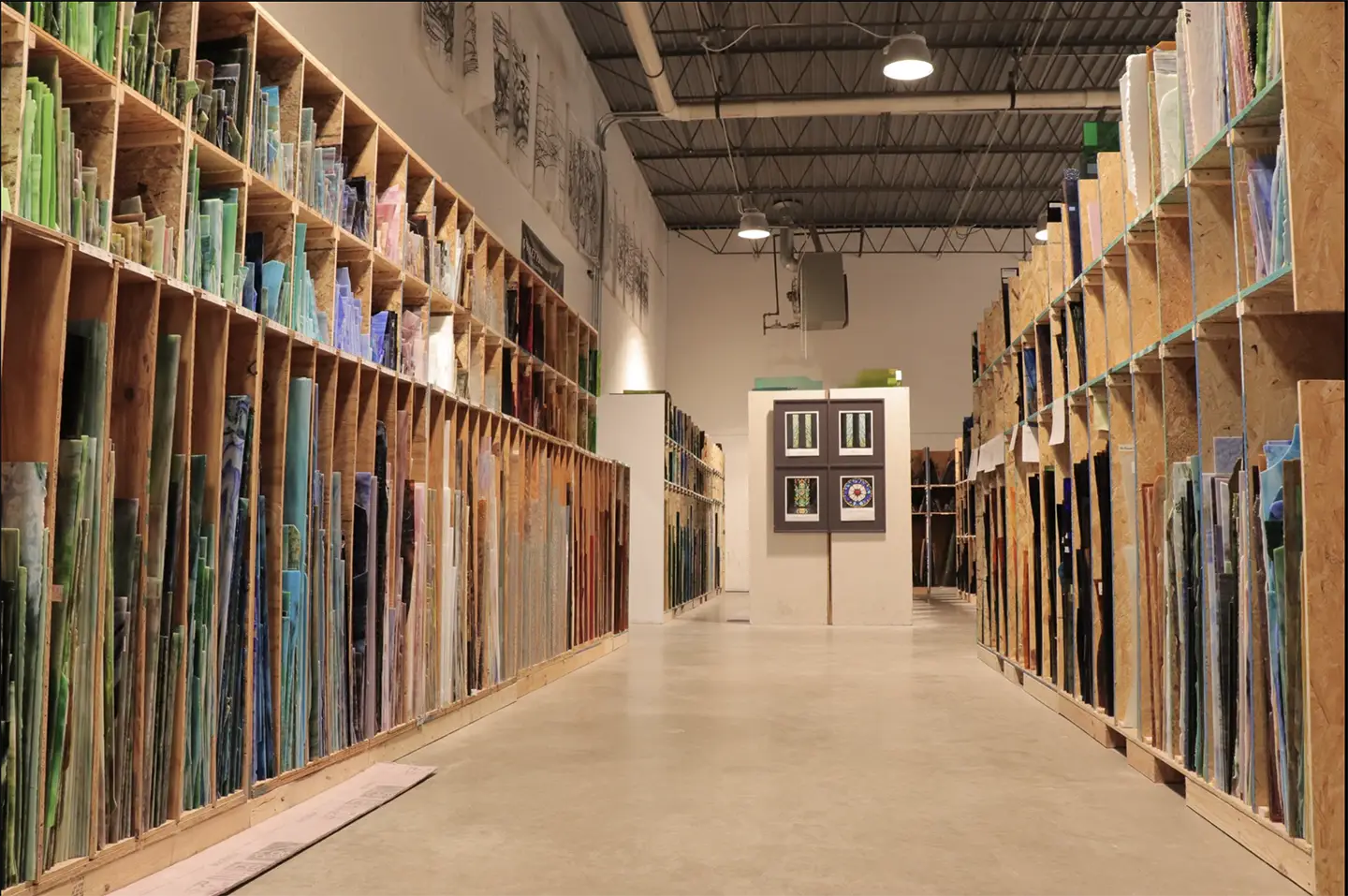
- High-Quality Glass: Premium glass provides consistent color, texture, and longevity.
- Traditional Handcrafting Techniques: Methods like copper foiling and lead came support intricate, durable designs.
- Aesthetic Appeal and Structural Resilience: The right materials plus skilled workmanship yield pieces that endure.
Combined, these elements produce stained glass that performs and delights for generations.
How Does Expert Consultation Enhance Historical Stained Glass Restoration Projects?
Restoration requires careful assessment and interventions that respect historical intent while restoring performance.
- Detailed Assessment: Condition surveys identify failures and prioritize actions.
- Collaboration with Conservation Experts: Conservators guide appropriate materials and methods.
- Preservation of Historical Integrity: Repairs seek to retain original design and materials wherever feasible.
A measured approach preserves cultural value while restoring function.
What Are the Key Restoration Techniques Preserving Historical Integrity?
Restoration uses specialist methods chosen to match original craft and materials.
- Lead Came Replacement: Replace deteriorated lead to restore structure while maintaining design.
- Kiln-Fired Painting for Durability: Paints are fired to permanently bond imagery to glass.
- Replacement of Damaged Glass: Irreparable pieces are matched in color and texture to preserve continuity.
These techniques restore appearance and stability while honoring original workmanship.
How Does Willet Studios Integrate Modern Innovations in Restoration?
Willet blends contemporary tools with traditional craft to improve assessment, planning, and execution.
- Sourcing Authentic Materials: Materials are selected to match original fabric and performance.
- Use of Advanced Techniques: Digital imaging and 3D modeling aid accurate assessment and planning.
- Comprehensive Documentation of Restoration: Projects are documented for future reference and stewardship.
This balance of innovation and tradition supports accurate, respectful restorations.
What Should Clients Expect When Commissioning Architectural and Church Stained Glass Projects?
Commissioning follows a disciplined sequence with clear milestones and decision points.
- Initial Consultation: Discuss goals, site conditions, and constraints.
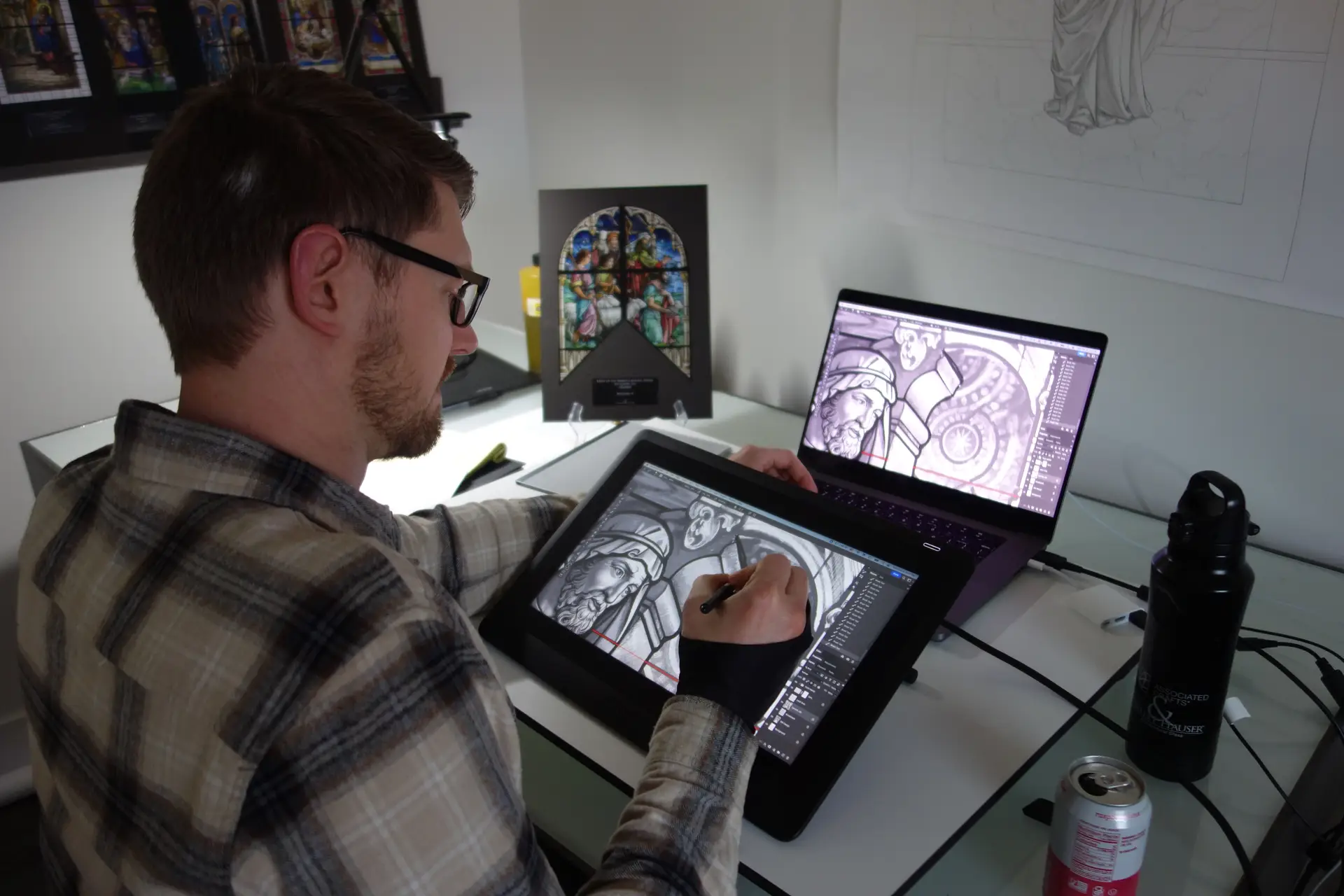
- Concept Development and Design Approval: Concepts are presented and refined until approved.
- Technical Planning and Fabrication: Detailed drawings and specifications guide fabrication to quality standards.
Transparent milestones keep clients informed and confident throughout the project.
How Is Project Management Structured for Seamless Fabrication and Installation?
Effective management coordinates design, fabrication, and installation to reduce risk and meet schedules.
- Initial Consultation and On-Site Assessment: Establish scope and technical requirements.
- Concept Development and Design Approval: Finalize design and technical details before fabrication.
- Coordination During Installation: A project manager oversees installation to ensure a smooth on-site process.
Defined phases clarify responsibilities and minimise disruption.
What Are Common Client Questions About Costs and Timelines?
Clients commonly ask about budget, schedule, and maintenance obligations. Clear, itemised estimates and realistic timelines are central to planning.
- Cost Estimates and Project Scope: Estimates reflect scope, materials, complexity, and site conditions.
- Timelines for Design and Installation: Timelines vary with scale; projects often span weeks to months.
- Warranty and Maintenance Information: Discuss warranties and recommended maintenance to protect long-term value.
Providing transparent cost breakdowns and schedules builds trust and reduces uncertainty.
How Can Maintenance and Preservation Ensure the Longevity of Stained Glass Artworks?
Regular maintenance and careful preservation extend service life and reduce the need for major restoration.
- Regular Inspections and Documentation: Routine checks catch issues early and create a maintenance record.
- Gentle Cleaning Techniques: Appropriate cleaning preserves clarity without harming glass or paint.
- Protective Coatings for Longevity: Where appropriate, protective measures shield glass from environmental damage.
Proactive care preserves both visual and structural qualities.
What Are Best Practices for Ongoing Care and Inspection?
Scheduled inspections and cautious maintenance guide timely repairs and long-term preservation.
- Annual Inspections and Documentation: Track condition and plan interventions.
- Gentle Cleaning Methods: Use mild solutions and soft cloths to avoid abrasion.
- Reinforcement of Lead Cames: Periodic checks and reinforcement maintain structural integrity.
Following these practices reduces the likelihood of urgent restorations.
How Does Willet Stained Glass Studios Support Clients Post-Installation?
Willet provides post-installation support through scheduled care and responsive restoration services to safeguard installations over time.
- Routine Maintenance and Inspections: Ongoing services help keep works in optimal condition.
- Protective Coverings for Stained Glass: Recommendations and installations of protective glazing when appropriate.
- Restoration Services for Future Needs: The studio addresses issues promptly to maintain integrity and appearance.
Continued support reflects Willet’s commitment to client satisfaction and long-term performance.