Comprehensive Guide to Stained Glass Project Budgeting and Custom Pricing Models
By Amanda Steine, Willet Stained Glass Studios
Budgeting for stained glass projects is often complex and shaped by multiple cost factors. A clear understanding of those drivers is essential for clients, architects, and institutions commissioning stained glass work. This guide examines the principal elements that affect project budgets—material selection, labour, and pricing models—and offers practical guidance for estimating costs and collaborating with artisans. It also explains how Willet Stained Glass Studios, a firm specialised in stained glass design and restoration, can support clients through the process.
Ultimate Guide to Budgeting and Pricing Custom Stained Glass Projects
Several elements materially influence the budget for a stained glass commission. Appreciating these factors enables clients to make informed decisions and set realistic expectations. The primary drivers are project size and scale, design complexity, and the choice of materials; each contributes directly to the final cost.
How Do Material Types and Quality Affect Stained Glass Costs?
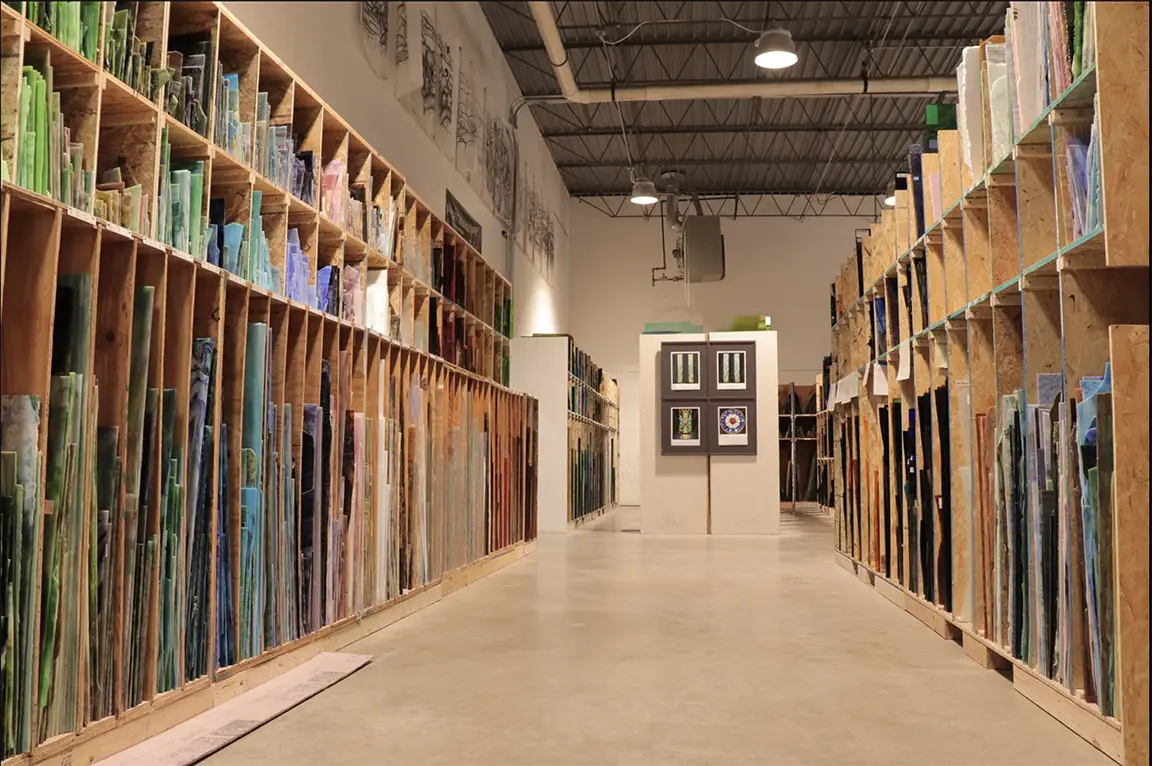
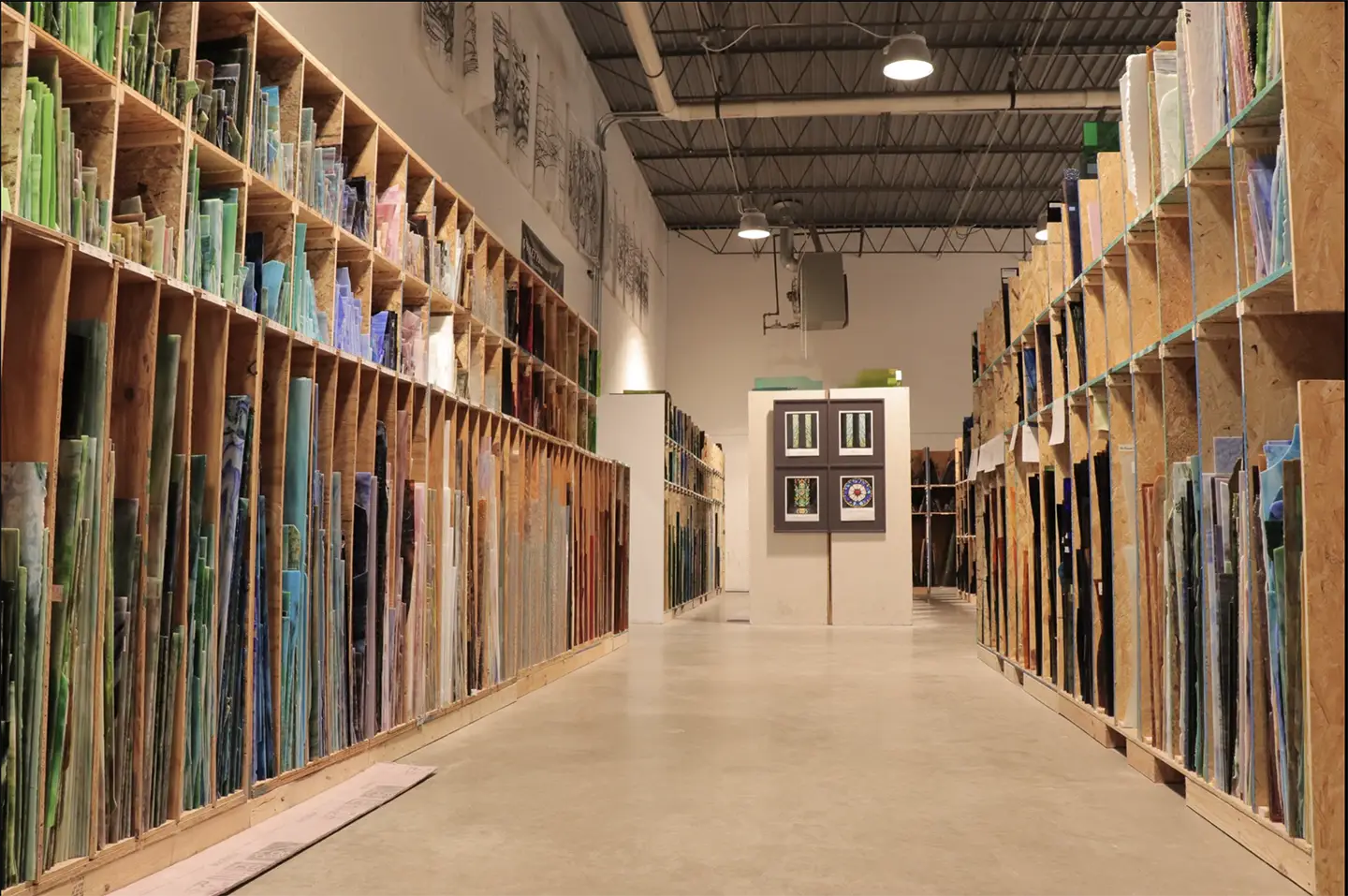
Material selection is among the most significant cost determinants. Glass types vary widely in price: specialised materials command higher costs because of rarity and the skill needed to produce them. For example, hand-blown or antique glass typically costs more than standard sheet glass owing to unique properties and traditional manufacture. The quality of lead came and other supporting materials also affects cost. Superior materials enhance the aesthetic result and contribute to the longevity and structural integrity of the finished work.
What Role Does Skilled Labor Play in Pricing and Budgeting?
Skilled labour is a major component of project pricing. Design, fabrication, and installation require specialised expertise, so labour often represents a substantial portion of the budget. More intricate designs demand additional time and higher-level skills, which increase labour costs. Regional availability of qualified artisans can also influence rates; areas with greater demand typically exhibit higher labour prices.
Which Pricing Models Are Commonly Used for Custom Stained Glass Projects?
Several pricing models are commonly applied to stained glass commissions. Familiarity with these approaches helps clients choose the model that best aligns with project scope and budgetary constraints.
How Do Fixed, Hourly, and Per Square Foot Pricing Compare?
- Fixed Pricing Model: This model provides a set price for the entire project, which benefits clients who prefer a clear budget upfront. It typically includes all materials and labour costs, making it easier to manage finances.
- Hourly Pricing Model: Clients are billed based on actual hours worked. This is useful when scope may change, but it can lead to unpredictability in final costs.
- Per Square Foot Pricing Model: Costs are calculated by area of the installation. This allows straightforward budgeting for larger projects, though it may not reflect design complexity.
Willet Stained Glass Studios provides tailored pricing models to suit the specific requirements of each commission, with a focus on transparency and clarity for clients and project partners.
What Are the Benefits of Transparent Pricing for Clients and Partners?
Transparent pricing fosters trust and productive collaboration between clients and artisans. Clear cost breakdowns enable informed decision making and reduce the risk of unforeseen expenses. Greater clarity improves the client experience and upholds professional standards within the craft. When clients understand the pricing structure, they participate more effectively in project discussions, which supports better outcomes.
How Can Clients Accurately Estimate Budgets for Stained Glass Restoration Projects?
Accurate budget estimation for stained glass restoration requires careful assessment of scope, condition, and project objectives. Clients should be aware of typical cost ranges and realistic timelines when planning restorations.
What Typical Cost Ranges and Project Timelines Should Be Expected?
Restoration costs vary with scope and complexity. Smaller conservation tasks may begin at approximately $500, while extensive restorations can exceed $5,000. Timelines also differ: simple restorations can be completed in a few weeks, whereas complex work may require several months. Allow extra time for design approvals and procurement of specialised materials.
How Do Design Complexity and Historical Accuracy Impact Restoration Estimates?
Design complexity and the requirement for historical accuracy significantly affect restoration estimates. Intricate work requires greater labour and specialist skills, increasing cost. Projects demanding faithful reproduction of historic materials and techniques may need specific sourcing and methods, which raises expenses. Clear communication of expectations is essential to produce precise estimates.
What Best Practices Support Effective Budget Planning and Collaboration in Stained Glass Projects?
Effective budget planning and collaborative practice are vital to project success. Adhering to established best practices enhances outcomes and supports adherence to financial parameters.
How Does Collaborative Partnership Enhance Project Outcomes and Budget Adherence?
Partnerships between clients and artisans improve project delivery. Early engagement in the design phase aligns expectations with budget realities. Consistent, transparent communication throughout the project facilitates timely resolution of issues and helps keep the work on schedule and within budget.
What Tips Ensure Quality Craftsmanship Within Budget Constraints?
To secure enduring craftsmanship while managing costs, prioritise experienced artisans and high-quality materials. These investments yield superior, long-lasting results. Where appropriate, consider design refinements that reduce expense without compromising the overall vision.
The following table summarises key cost components and their relative impact on project budgets.
This table demonstrates how distinct factors contribute to the overall budgeting of stained glass projects and underscores the value of careful planning and collaborative decision making.