Stained Glass Condition Assessment and Conservation Planning
By Amanda Steine, Willet Stained Glass Studios
Condition assessments and conservation planning preserve stained glass as both artwork and historic fabric. They systematically record material condition, identify damage, and shape restoration and maintenance programmes. This article summarises core assessment methods, outlines best-practice planning, and explains how these measures extend the life of stained glass so owners and conservators can make informed, responsible decisions.
Methodologies for Condition Assessment
Assessments combine structured surveys with targeted diagnostics to produce a clear condition baseline and inform intervention priorities.
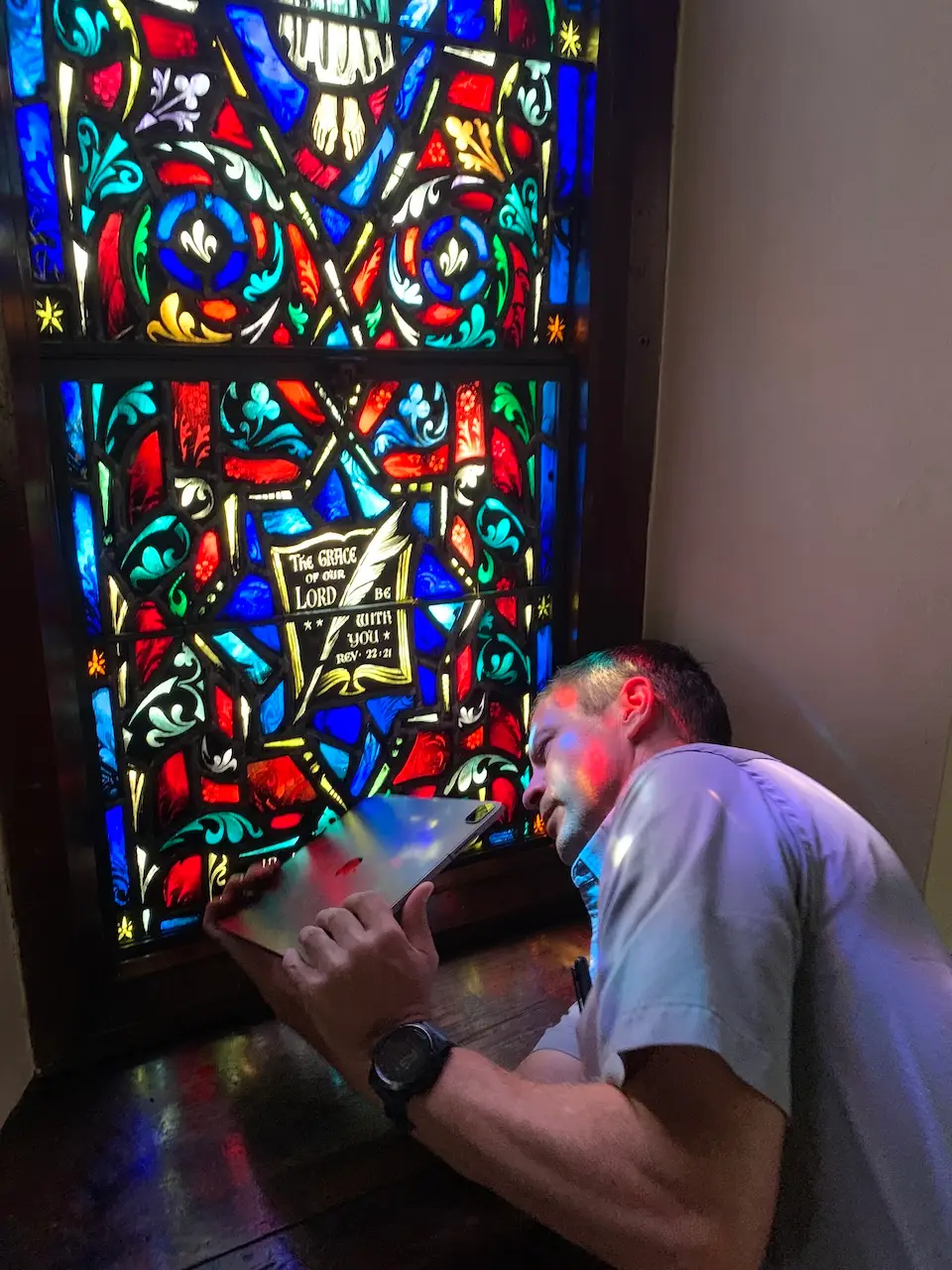
- Visual Inspection Techniques: A close, systematic survey identifies surface defects — cracks, crazing, discoloration and loose leads — and records their location and severity.
- Comprehensive Condition Analysis: Combines visual findings with assessment of lead cames, solder joints and window support to judge structural stability and intervention need.
Using these methods together produces a robust, site-specific conservation plan.
Best Practices for Conservation Planning
Effective plans balance careful restoration, scheduled maintenance and specialist input to protect physical and historic values.
- Custom Restoration Planning: Tailor interventions to the window’s materials, construction and historic significance rather than applying generic fixes.
- Regular Maintenance and Monitoring: Periodic inspections and minor repairs prevent escalation and extend service life.
- Professional Expertise: Skilled conservators ensure interventions are technically sound and historically sensitive.
Willet Stained Glass Studios specialises in design, fabrication, restoration and conservation planning, emphasising workmanship and historic integrity.
What Is a Stained Glass Restoration Assessment and Why Is It Essential?
A restoration assessment documents current condition, identifies problems and provides the evidence base for proposals. It establishes a baseline, produces photographs and condition maps for future monitoring, and ensures interventions respect both material condition and historic context.
How Does a Historic Window Condition Report Evaluate Glass Integrity?
Reports evaluate surface condition, the supporting lead framework and environmental influences to determine integrity and urgency.
- Visual Inspection Criteria: Notes cracks, breaks and visible damage requiring repair or stabilization.
- Lead Framework Assessment: Reviews lead came and solder for corrosion, deformation or failure affecting structural support.
- Environmental Damage Check: Records moisture, thermal stress and pollutant exposure that accelerate deterioration.
Combined, these checks yield a focused appraisal and guide appropriate interventions.
Which Key Elements Are Included in a Stained Glass Damage Evaluation?
A damage evaluation defines repair scope through appraisal, documentation and a full condition assessment.
- Initial Evaluation: Rapid survey to identify urgent defects and safety concerns.
- Documentation: Photographs and written records capture condition, past repairs and locations of damage.
- Condition Assessment: Assesses structural, aesthetic and historic factors to prioritise work.
These elements produce a practicable, historically sensitive restoration strategy.
How Is a Conservation Management Plan Developed for Heritage Window Preservation?
Management plans are developed in stages: assess current conditions, plan routine maintenance, and consult specialists and stakeholders to agree priorities and responsibilities.
- Assessment of Current Conditions: Detailed survey to establish scope and immediate actions.
- Planning for Future Maintenance: Schedules inspections, cleaning and minor repairs to reduce long-term costs.
- Collaboration with Experts: Involving conservators, owners and advisers ensures technical and heritage considerations are balanced.
Following these steps safeguards longevity and authenticity.
What Strategies Ensure Long-Term Preservation of Historic Stained Glass?

Long-term care relies on protection, inspection and record-keeping.
- Protective Measures: External glazing or discreet barriers reduce UV, weather and physical risk.
- Regular Inspections: Early detection of issues allows timely, less invasive repairs.
- Documentation: Accurate records of condition and interventions support future decisions.
Together these measures maintain legibility and structural stability.
How Do Collaboration and Client Partnerships Influence Conservation Planning?
Successful projects depend on clear collaboration between specialists, clients and stakeholders to set objectives, budgets and acceptable outcomes.
- Engagement with Specialists: Ensures plans reflect current conservation standards and techniques.
- Client Involvement: Keeps owners informed and aligned with conservation priorities.
- Impact on Project Outcomes: Good partnership improves technical quality and heritage fidelity.
Clear roles and communication reduce delays and align work with long-term stewardship goals.
What Are the Best Practices for Conducting Condition Assessments on Stained Glass?
Reliable assessments combine careful visual survey, evaluation of environmental exposure and rigorous documentation to produce actionable recommendations.
- Visual Inspection: Systematic recording of defects, supports and previous repairs.
- Environmental Damage Check: Notes humidity, temperature cycles and pollutant sources that affect deterioration.
- Documentation Quality: Consistent photography, maps and written records enable monitoring and planning.
High documentation standards ensure future teams understand past decisions and condition changes.
Which Non-Invasive Techniques Are Used in Stained Glass Damage Evaluation?
Non-invasive tools reveal hidden problems while preserving the fabric.
- Visual Inspection: Primary method for identifying visible damage without contact.
- Moisture Meters: Measure moisture levels in glass and surrounding materials to locate active decay sources.
These techniques inform targeted, minimal interventions.
How Are Condition Reports Structured to Support Restoration Decisions?
Reports present inspection findings, photographic and written documentation, and a customised restoration proposal that links condition to recommended works and priority.
- Visual Inspection Findings: Concise notes of observed defects and locations.
- Documentation: Photographs and descriptions that record current condition.
- Custom Restoration Planning: A tailored plan outlining scope, methods and conservation rationale.
Structured reports make restoration decisions transparent and evidence-based.
How Do Cost and Timeline Estimates Impact Conservation Planning for Stained Glass?
Realistic cost and timeline estimates define project scope, support budgeting and secure resources for ongoing care.
- Understanding Project Scope: Accurate estimates ensure all necessary work is planned and funded.
- Material and Labor Costs: Clear pricing for specialist materials and skilled labour informs choices.
- Long-Term Financial Planning: Accounting for maintenance avoids underfunding future care.
Transparent estimates help owners prioritise and phase work where needed.
What Factors Influence the Duration of a Restoration Assessment?
Assessment time varies with project complexity, window condition and the availability of specialist skills.
- Project Scope: Larger or more complex schemes take longer to survey and analyse.
- Condition of the Windows: Severely deteriorated windows require more detailed investigation.
- Specialized Expertise Required: Access to specialists (e.g., stained glass conservators, structural engineers) affects scheduling.
Understanding these factors enables realistic scheduling and resource allocation.
How Are Restoration Costs Determined and Communicated to Clients?
Costs follow a full evaluation; clear communication builds client confidence and supports informed choices.
- Assessment and Documentation Costs: Initial survey and recording form part of the budget.
- Types of Work: Cleaning, repair, re-leading or replacement have different cost profiles and implications.
- Client Communication Strategies: Presenting options, risks and phased approaches keeps clients involved and informed.
Transparent estimates and open dialogue ensure clients understand options and long-term responsibilities.