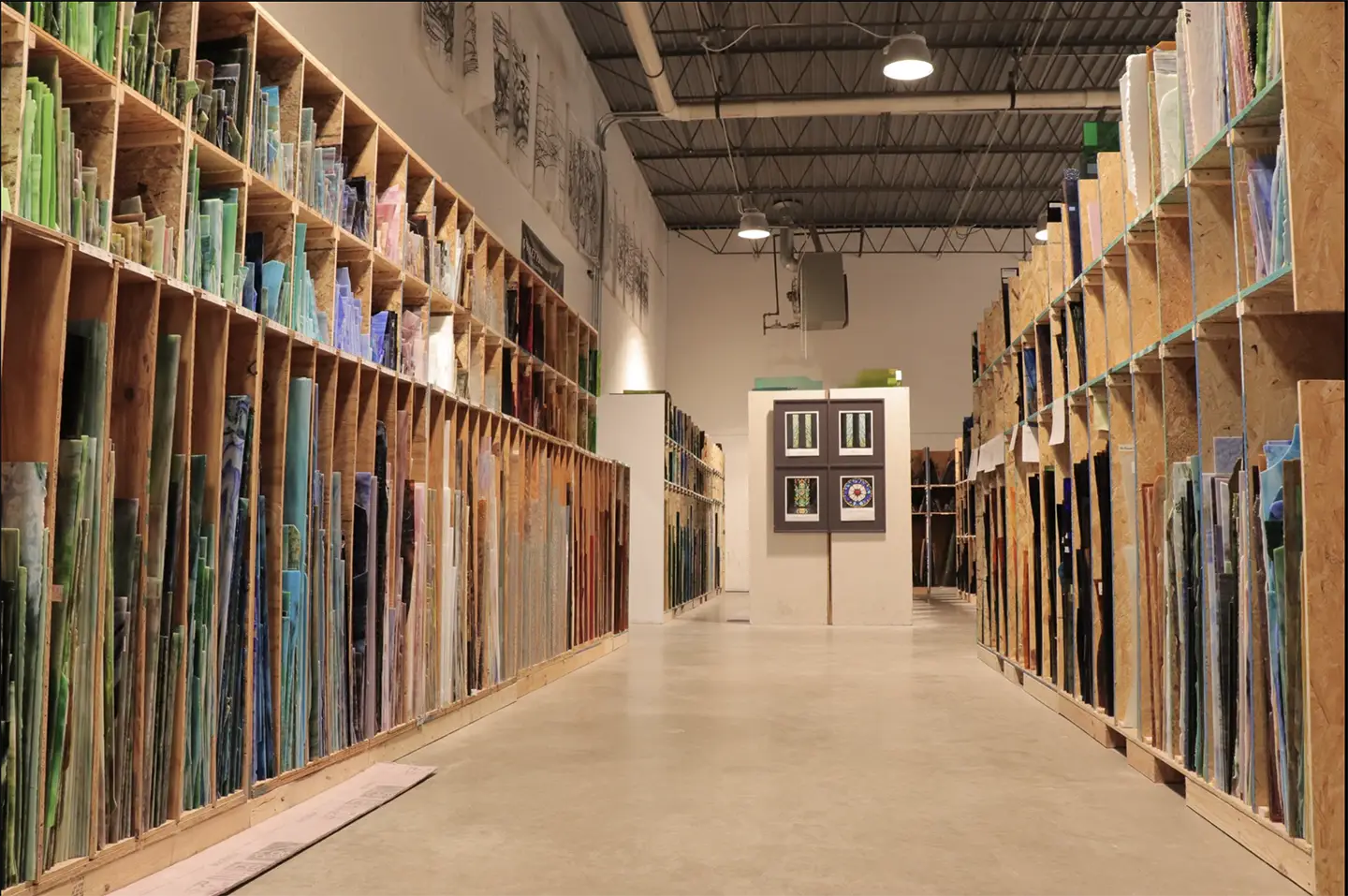

Comprehensive Stained Glass Restoration Services: Expert Techniques and Heritage Preservation
By Amanda Steine, Willet Stained Glass Studios
Stained glass restoration combines artistic skill and technical craft to protect appearance and structural soundness in historic windows. This guide summarises key restoration methods, common project challenges, and practical heritage-preservation strategies used for church and listed-building glazing. The emphasis is on conserving historical context while ensuring long-term performance.
Expert Restoration Techniques
Restoration focuses on assessment, deciding between onsite and workshop repair, and renewing the lead came that frames panels. Conservators record condition, choose the least-invasive approach, and replace or repair leadwork and broken pieces to restore alignment and stability.
Willet Stained Glass Studios offers restoration, design, and bespoke fabrication services for churches, institutions, architects, and private clients.
What Are the Core Techniques in Stained Glass Repair and Restoration?
Typical steps begin with a detailed condition survey, followed by selective cleaning, lead-came renewal where necessary, and careful reassembly. Each stage is documented to preserve artistic and historical value.
- Initial Assessment: Thorough inspection to record damage and causes.
- Lead Came Replacement: Renewal of degraded lead to restore structure.
- Cleaning Techniques: Controlled cleaning to remove deposits without harming glass or paint.
These interventions protect both visual quality and historic significance.
How Does Lead Came Restoration Preserve Structural Integrity?
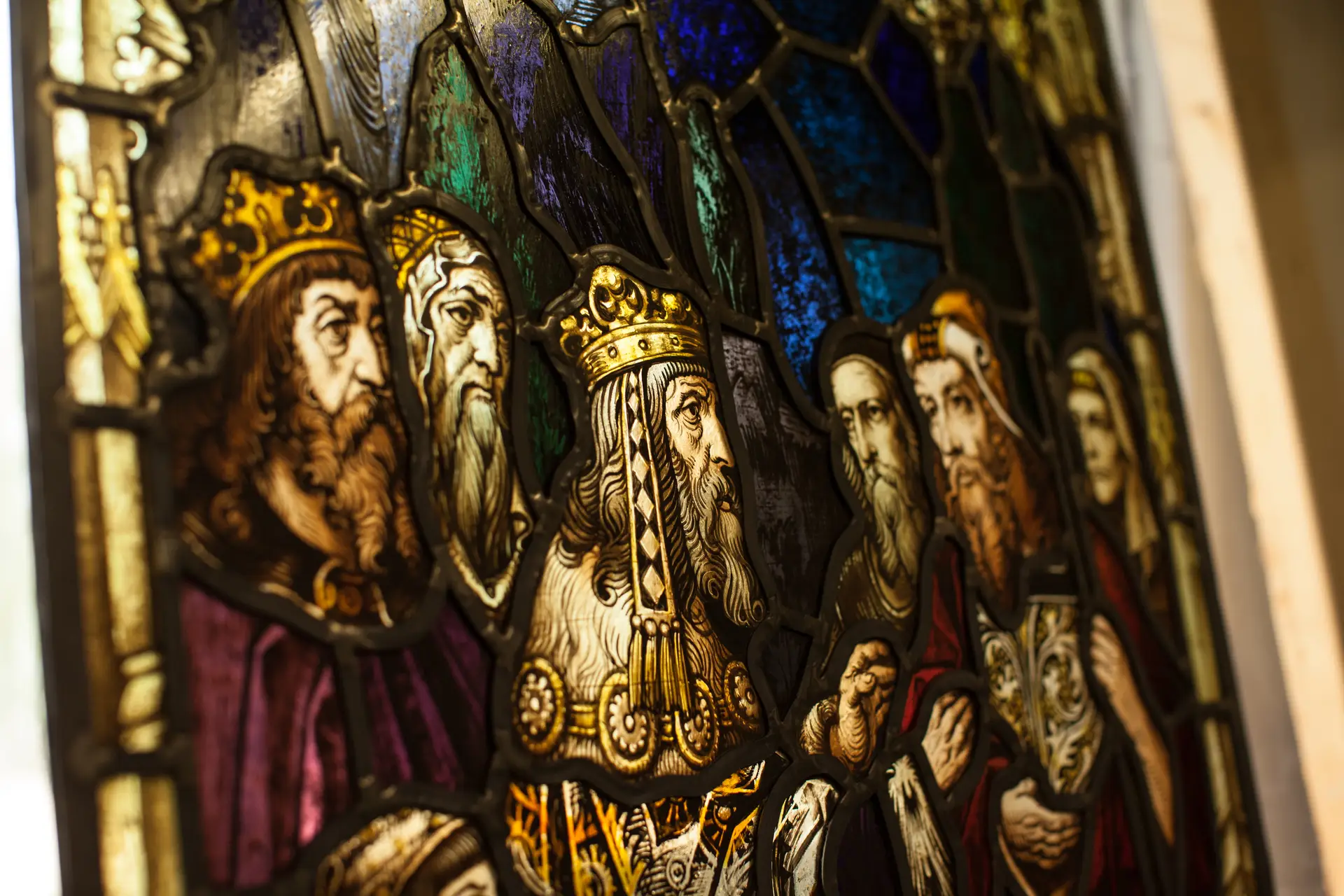
Lead came forms the supportive matrix for glass pieces; when it fails panels sag or separate. Conservators document the original assembly, remove failing lead, and reassemble using matching profiles to retain strength and alignment for future generations.
Methods for Heritage Preservation
Preservation combines condition surveys, protective glazing, and scheduled maintenance. Surveys log material loss, movement, and environmental effects; protective glazing (often UV-filtering) reduces weathering while keeping the original visible; maintenance plans prevent progressive damage.
Willet Stained Glass Studios records heritage projects and creates tailored preservation strategies that balance technical rigour with respect for provenance.
Which Materials and Methods Support Authentic Restoration?
Authentic restoration uses period-appropriate materials and historically informed techniques so the repaired work remains materially and culturally coherent with its origin.
The importance of authenticity in restoration is underlined by research into non-destructive methods for verifying historical integrity of stained glass.
Stained Glass Authenticity & Non-Destructive Restoration
Authenticity, alongside conservation and restoration, is a principal concern when preserving cultural material such as museum showpieces. Determinations of authenticity rely on an interdisciplinary method that combines art-historical and archaeological research with applied scientific study. Because museums frequently permit only non‑destructive analysis, optical spectroscopy has been proposed as a practical technique. Such methods can provide immediate, non‑invasive evidence to address questions of authenticity during conservation, and they supply data relevant to ethical decisions in heritage preservation.
Authenticity screening of stained glass windows using optical spectroscopy, W Meulebroeck, 2016
- Period-Appropriate Materials: Use materials matching the original construction.
- Documentation of Restoration Process: Keep clear records of interventions and materials.
- Collaboration with Experts: Work with historians and conservators to follow best practice.
Using appropriate materials, recording decisions, and consulting specialists helps honour original artistry and context.
Challenges in Preserving Church Window Artistry
Conservation faces specific issues: protecting historical authenticity, reducing environmental damage, and managing limited budgets. Successful projects balance technical assessment, targeted protection, and stakeholder collaboration to match scope with available funding.
- Historical Integrity: Respect original design and craftsmanship.
- Environmental Factors: Sunlight, moisture, and pollution accelerate deterioration.
- Financial Constraints: Budgets affect the timing and extent of interventions.
What Are the Benefits of Custom Stained Glass Fabrication Services?
Custom fabrication supplies replacement pieces that match colour, texture, and style while meeting modern performance needs. Tailored components support continuity, accuracy, and durability in restorations.
- Historical Accuracy: New pieces closely match originals.
- Artistic Continuity: Style and composition remain coherent.
- Enhanced Durability: Materials selected for longevity without compromising appearance.
How Does Custom Fabrication Complement Restoration Projects?
Fabrication produces replacement glass and leadwork that integrate with surviving material. The process is matched for colour, texture, and assembly and is documented to ensure transparency and conservation standards.
- Bespoke Pieces Matching Original Design: Replacements made to match original colour and style.
- Material Quality: High-quality materials for lasting performance.
- Detailed Process: Documented fabrication for traceability and quality control.
Integrated fabrication improves coherence, longevity, and provenance of restored panels.
How Does Willet Stained Glass Studios Ensure Quality in Church Window Restoration?
Quality is achieved through systematic assessment, careful removal and transport when needed, skilled workshop restoration, and strict quality control. Each phase follows established conservation principles.
- Assessment and Documentation: Record condition and planned interventions.
- Careful Removal and Transport: Minimise risk during removal and transit to the studio.
- Quality Control: Monitor standards throughout restoration and reinstallation.
This structured approach ensures ecclesiastical windows receive conservationally sound restoration.
What Legacy and Expertise Underpin Our Restoration Work?
Willet Stained Glass Studios combines long-standing craftsmanship with informed conservation. Experienced artisans use traditional techniques alongside careful innovation to deliver sensitive, well-executed restorations that serve communities and preserve heritage.
- Masterful Craftsmanship: Trained artisans working in traditional methods.
- Historical Influences: Context guides restoration choices for authenticity.
- Community Impact: Projects contribute to local cultural preservation.
The studio’s legacy supports respectful, professionally managed projects.
How Are Restoration Projects Documented and Maintained?
Projects are recorded in detail and tied to planned maintenance so future care is informed and efficient. Documentation supports stewardship and scholarly reference.
- Detailed On-Site Assessment: Initial surveys document condition and requirements.
- Thorough Documentation: Maintain records of materials, methods, and decisions.
- Ongoing Maintenance: Establish inspection and upkeep schedules to prevent recurrence.
Clear records and regular maintenance are essential to the long-term conservation of stained glass windows.