Comprehensive Guide to Stained Glass Inspections: Expert Standards, Damage Assessment, and Maintenance
Stained glass windows are not only beautiful artistic expressions but also significant historical artifacts that require careful inspection and maintenance. This comprehensive guide delves into the established standards and protocols for inspecting historic stained glass, the methods for assessing damage, and the best practices for maintenance and restoration. Readers will learn about the importance of thorough inspections, the tools and technologies that enhance evaluation accuracy, and how to create effective inspection reports. By understanding these elements, stakeholders can ensure the longevity and integrity of stained glass installations. This article will cover the standards for inspections, damage assessment techniques, essential tools, maintenance practices, and the creation of inspection reports.
Expert Standards for Stained Glass Inspection and Maintenance
Established standards for inspecting historic stained glass are crucial for preserving these unique artworks. These protocols ensure that inspections are thorough and consistent, allowing for the identification of potential issues before they escalate. The importance of these standards lies in their ability to guide conservators in maintaining the integrity of stained glass windows while respecting their historical significance.
How Does the Inspection Checklist W037 Ensure Thorough Evaluation?
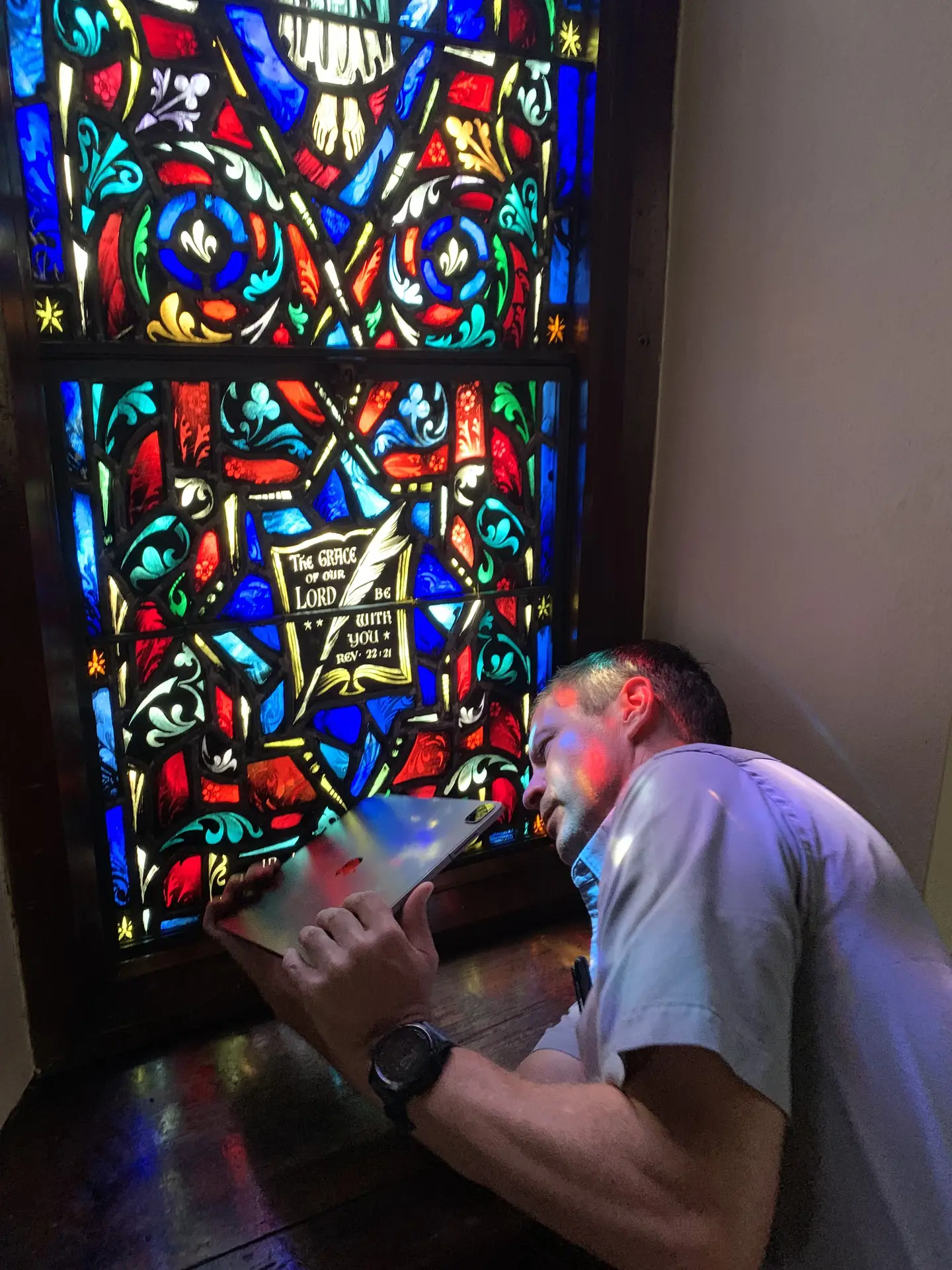
The Inspection Checklist W037 is designed to provide a comprehensive evaluation of stained glass windows. It includes specific criteria that inspectors must follow, ensuring that no aspect of the window is overlooked. Key components of the checklist include visual assessments, structural evaluations, and documentation of any existing damage. This thorough evaluation process is essential for maintaining the quality and longevity of stained glass installations.
What Are the Key Components of the Inspection Guide W037?
The Inspection Guide W037 consists of several key components that aid inspectors in their evaluations. These components include sections on historical context, material analysis, and condition assessment. Each section serves a specific purpose, helping inspectors to understand the unique characteristics of the stained glass and the potential issues that may arise. By following this guide, inspectors can ensure a comprehensive assessment that supports effective conservation efforts.
How Is Damage to Stained Glass Windows Assessed and Documented?
Assessing and documenting damage to stained glass windows is a critical aspect of conservation. This process involves identifying various types of damage and understanding their implications for the integrity of the artwork. Accurate documentation is essential for tracking the condition of stained glass over time and for planning appropriate restoration efforts.
What Types of Damage Commonly Affect Stained Glass Windows?
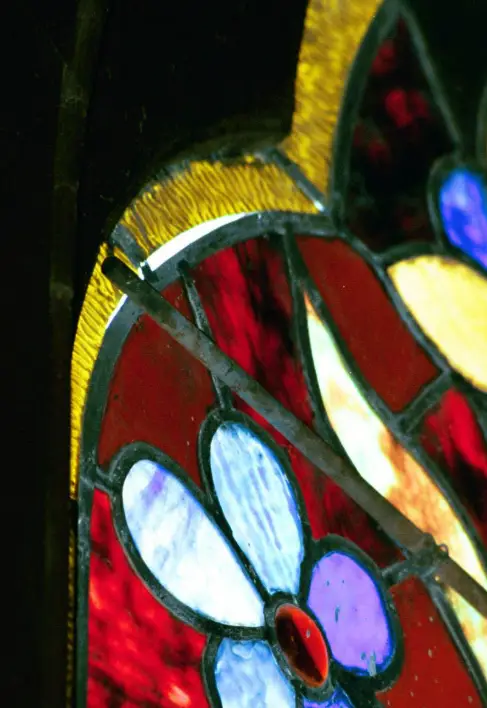
Stained glass windows can suffer from various types of damage, including physical breakage, discoloration, and deterioration of the surrounding materials. Common causes of damage include environmental factors such as moisture, temperature fluctuations, and UV exposure. Understanding these damage types is vital for developing effective conservation strategies that address both immediate and long-term concerns.
How Are Damage Assessments Integrated into Condition Reports?
Damage assessments are integrated into condition reports through a structured process that outlines the findings of the inspection. These reports typically include detailed descriptions of the damage, photographs, and recommendations for repair or restoration. By documenting the condition of stained glass windows, conservators can communicate effectively with stakeholders and ensure that appropriate actions are taken to preserve these valuable artifacts.
Which Tools and Technologies Are Essential for Effective Stained Glass Inspection?
The effectiveness of stained glass inspections is significantly enhanced by the use of specialized tools and technologies. These instruments allow inspectors to conduct thorough evaluations without causing damage to the artwork. Understanding the available tools is essential for ensuring accurate assessments and effective conservation practices.
What Non-Invasive Tools Are Used in Stained Glass Condition Evaluation?
Non-invasive tools play a crucial role in the evaluation of stained glass conditions. Commonly used tools include digital cameras for high-resolution imaging, moisture meters to assess humidity levels, and infrared thermography to detect hidden issues. These tools enable inspectors to gather valuable data without compromising the integrity of the stained glass.
How Do Advanced Technologies Enhance Inspection Accuracy?
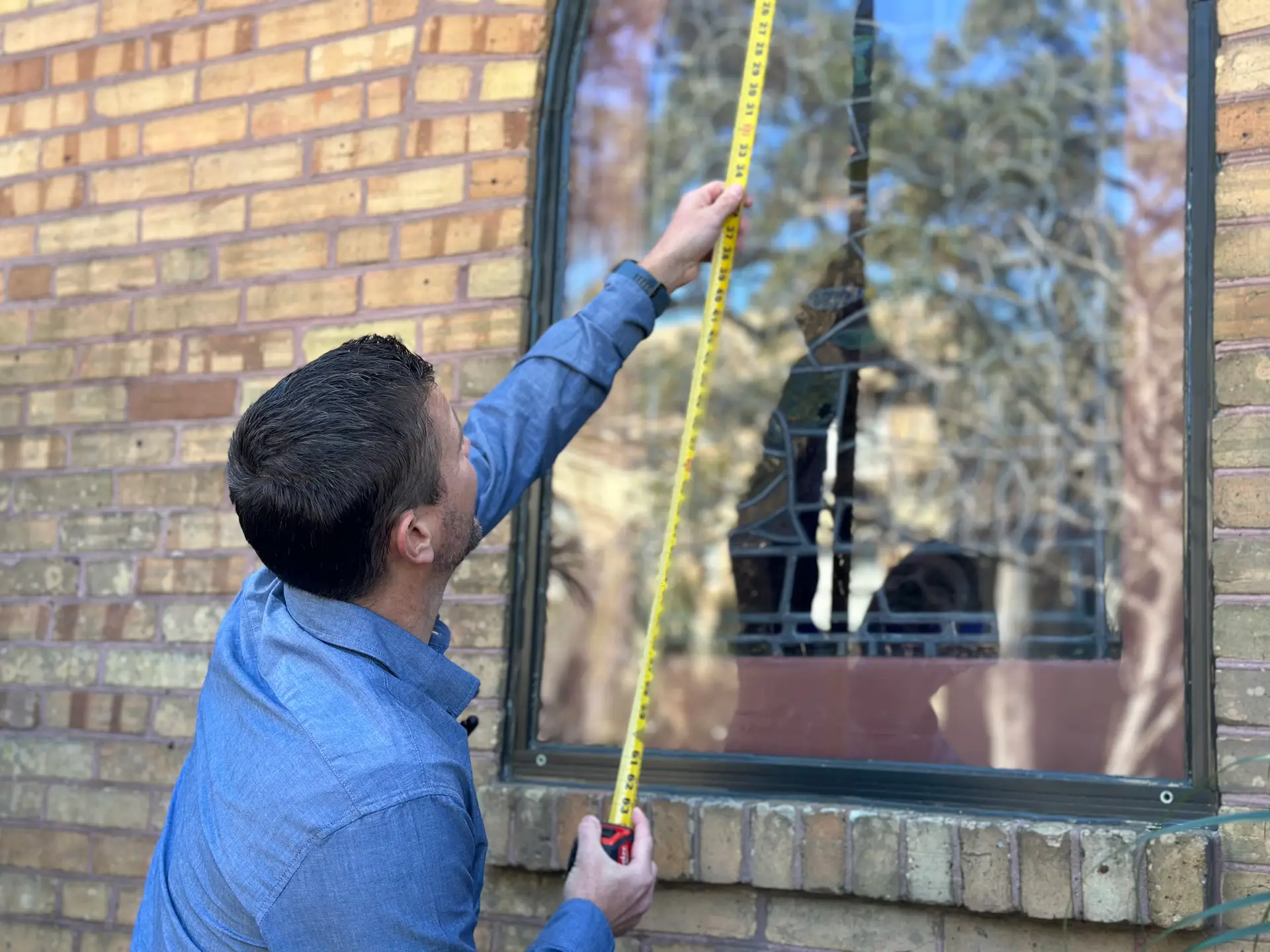
Advanced technologies, such as 3D scanning and laser measurement, have revolutionized the field of stained glass inspection. These technologies provide precise measurements and detailed visualizations, allowing for a more accurate assessment of the condition of stained glass windows. By incorporating these advanced methods, conservators can enhance their understanding of the artwork and make informed decisions regarding restoration efforts.
What Are the Best Practices for Maintenance and Restoration of Stained Glass?
Maintaining and restoring stained glass requires a careful balance of preservation techniques and modern restoration methods. Best practices in this field focus on prolonging the life of stained glass while respecting its historical significance. Understanding these practices is essential for anyone involved in the care of stained glass installations.
How Does Preventive Maintenance Prolong Stained Glass Longevity?
Preventive maintenance is key to prolonging the longevity of stained glass windows. Regular inspections, cleaning, and protective measures can help mitigate damage caused by environmental factors. Implementing a preventive maintenance schedule ensures that potential issues are addressed before they escalate, ultimately preserving the artwork for future generations.
What Restoration Methods Respect Craftsmanship and Historic Integrity?
Restoration methods that respect craftsmanship and historic integrity are essential for maintaining the authenticity of stained glass windows. Techniques such as reversible repairs, where materials can be removed without damaging the original artwork, are preferred. Additionally, using historically accurate materials and methods helps to ensure that restorations honor the original craftsmanship while providing necessary repairs.
How Should Inspection Reports Be Created and Utilized for Stained Glass Conservation?
Creating and utilizing inspection reports effectively is crucial for the conservation of stained glass windows. These reports serve as a communication tool among conservators, stakeholders, and funding bodies, ensuring that everyone involved is informed about the condition and needs of the artwork.
What Is the Standardized Format of the Inspection Report W037?
The Inspection Report W037 follows a standardized format that includes sections for the inspection findings, damage assessments, and recommendations for conservation. This structured approach allows for consistency in reporting and ensures that all relevant information is captured. By adhering to this format, conservators can create comprehensive reports that facilitate informed decision-making.
How Do Reports Facilitate Collaboration Among Conservators and Stakeholders?
Inspection reports play a vital role in facilitating collaboration among conservators and stakeholders. By providing a clear overview of the condition of stained glass windows, these reports enable effective communication and coordination of conservation efforts. Stakeholders can use the information in the reports to prioritize funding and resources, ensuring that the most critical needs are addressed promptly.