For church committees and building managers responsible for historic stained glass windows, few decisions carry as much weight as determining how to fund necessary conservation, restoration, or protection projects. These magnificent artworks represent not only significant financial investments but also irreplaceable spiritual and cultural heritage that demands careful stewardship. Understanding the financial landscape of stained glass projects enables church leaders to make informed decisions that protect their windows while managing resources responsibly. The complexity of stained glass project budgeting extends far beyond simple cost estimates. Successful financial planning must consider multiple variables including project scope, timeline, funding sources, and long-term maintenance requirements. Whether you’re planning emergency repairs, comprehensive restoration, or protective glazing installation, developing a thorough understanding of cost factors and financing options is essential for project success. At Willet Stained Glass Studios, we understand that financial planning for stained glass projects requires balancing preservation needs with available resources. Our experience with hundreds of church and historic building projects has taught us that successful projects begin with comprehensive financial planning that addresses both immediate needs and long-term stewardship responsibilities.
Understanding Project Scope and Cost Drivers
The first step in effective budget planning involves developing a clear understanding of your project’s scope and the factors that drive costs in stained glass conservation and restoration work. These factors vary significantly depending on window condition, project complexity, and specific preservation goals.
Assessment and Documentation Costs
Every professional stained glass project begins with comprehensive assessment and documentation that establishes the current condition of windows and identifies necessary interventions. This initial phase typically represents 5% to 10% of total project costs but provides the foundation for all subsequent planning and budgeting decisions. Professional condition surveys involve detailed examination of every window panel, documentation of existing damage, analysis of previous repairs, and evaluation of structural support systems. This work requires specialized expertise and sophisticated documentation techniques that ensure accurate assessment and appropriate treatment recommendations. The investment in thorough assessment pays dividends throughout the project by preventing surprises, ensuring appropriate treatment selection, and providing baseline documentation for future conservation planning. Attempting to save money by skipping or minimizing assessment work often results in higher overall project costs because of unforeseen complications or inappropriate treatment approaches.
Conservation vs. Restoration vs. Repair
Understanding the differences between conservation, restoration, and repair approaches is crucial for accurate budget planning. Each approach involves different levels of intervention, materials, and labor requirements that significantly affect project costs. Conservation work focuses on stabilizing existing materials and preventing further deterioration while preserving as much original fabric as possible. This approach typically involves cleaning, consolidation of fragile materials, and protective measures that extend window life without extensive replacement of original components. Restoration work involves returning windows to a previous state of completion or appearance, often requiring reproduction of missing elements, replacement of severely deteriorated components, and recreation of original design elements. This approach typically requires more extensive intervention and higher costs than conservation work. Repair work addresses specific damage or deterioration without attempting comprehensive treatment of the entire window. While repair work may have lower immediate costs, it may not address underlying causes of deterioration and could result in higher long-term costs if problems recur or spread to other areas.
Material Costs and Specifications
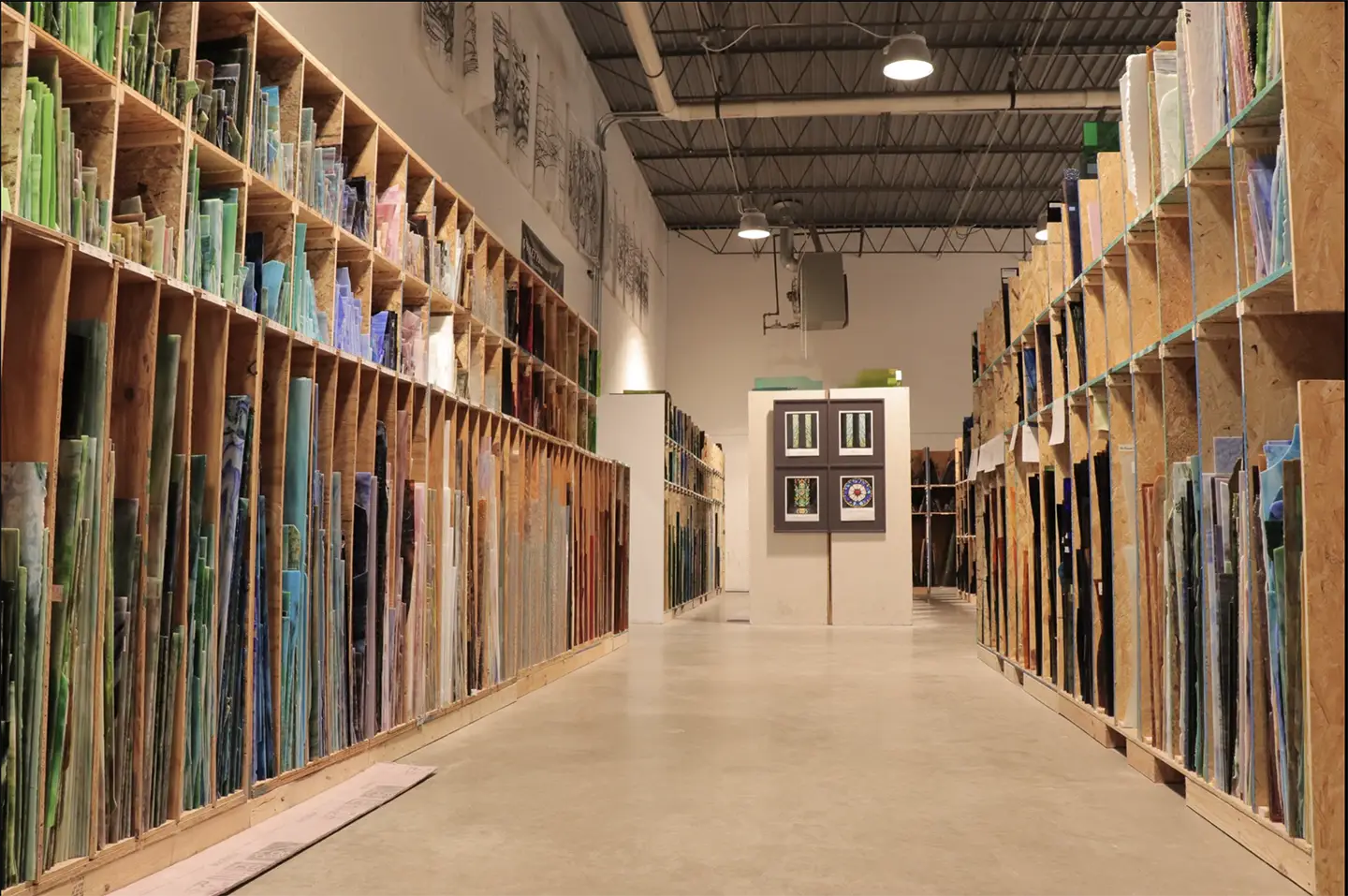
The cost of materials for stained glass projects varies dramatically depending on the quality, authenticity, and complexity of required components. Understanding these material costs helps churches make informed decisions about project specifications and budget allocation. Glass costs depend on color, texture, manufacturing method, and availability. Reproduction of historic glass types often requires specialized manufacturing techniques that result in higher costs than standard architectural glass. However, using appropriate glass types is essential for maintaining the visual integrity and historical authenticity of restoration work. Lead came costs vary based on size, profile, and quality specifications. High-quality lead came with appropriate profiles for historic work costs more than standard architectural lead but provides superior performance and longevity that justifies the additional investment. Specialized materials including protective glazing, structural supports, and sealants represent significant cost components that must be factored into project budgets. These materials often require specialized suppliers and may have extended lead times that affect project scheduling and cash flow planning.
Labor Costs and Expertise Requirements
The specialized nature of stained glass work means that labor costs represent a significant portion of total project expenses. Understanding these labor requirements helps churches budget appropriately while ensuring they engage qualified professionals for their projects.
Skilled Craftsperson Requirements
Stained glass conservation and restoration require highly specialized skills that take years to develop and maintain. Master craftspeople command premium rates that reflect their expertise, but their skills are essential for achieving results that preserve both the artistic and historical integrity of windows. The availability of qualified craftspeople varies by region, and projects may require specialists from distant locations. Travel and accommodation costs for specialized craftspeople can represent significant budget items that must be planned for early in the project development process. Different aspects of stained glass work require different specializations. Glass painting, lead work, structural repair, and protective glazing installation each require specific skills and experience. Complex projects may require multiple specialists working in coordination, which affects both scheduling and cost planning.
Project Management and Coordination
Professional project management ensures that complex stained glass projects proceed efficiently while maintaining quality standards. Project management costs typically represent 10% to 15% of total project costs but provide value through improved scheduling, quality control, and coordination of multiple trades and specialists. Effective project management also helps control costs by preventing delays, coordinating material deliveries, and ensuring that work proceeds in the most efficient sequence. The investment in professional project management often pays for itself through improved project efficiency and reduced overall costs.
Quality Control and Inspection
Professional quality control throughout the project ensures that work meets specified standards and performance requirements. This ongoing oversight helps prevent costly rework while ensuring that the investment in restoration or conservation work provides maximum long-term value. Quality control procedures should include regular inspection of work in progress, testing of critical components, and final acceptance procedures that verify compliance with project specifications. These procedures represent additional costs but provide essential protection for the church’s investment.
Financing Options and Funding Strategies
Churches and historic building owners have access to various financing options and funding sources that can make stained glass projects more affordable and manageable. Understanding these options helps develop realistic project timelines and budget strategies.
Grant Funding and Historic Preservation Programs
Many stained glass projects qualify for grant funding through historic preservation programs, religious heritage organizations, and cultural preservation foundations. These grants can provide significant funding for qualified projects but typically require detailed applications, matching funds, and compliance with specific preservation standards. Federal historic preservation programs offer tax credits and grants for qualified projects on listed historic properties. State and local preservation programs may offer additional funding opportunities with different qualification requirements and application procedures. Religious heritage organizations and denominational foundations often provide grants specifically for church preservation projects. These programs understand the unique challenges churches face in funding preservation work and may offer more flexible terms than secular funding sources.
Capital Campaign Integration
Many churches integrate stained glass projects into broader capital campaigns that address multiple building needs simultaneously. This approach can provide economies of scale in fundraising while allowing donors to support comprehensive building preservation efforts. Capital campaigns for stained glass projects benefit from the visual and emotional appeal of these artworks. Donors often respond enthusiastically to opportunities to preserve beautiful and meaningful artistic elements that enhance worship experiences for current and future generations. Professional campaign consultants experienced with church capital campaigns can help develop strategies that maximize fundraising success while ensuring that stained glass projects receive appropriate priority within broader building needs.
Phased Project Approaches
Large stained glass projects can often be divided into phases that spread costs over multiple years while addressing the most critical needs first. This approach makes projects more manageable financially while ensuring that urgent conservation needs are addressed promptly. Phased approaches require careful planning to ensure that early phases don’t compromise later work or create additional costs through repeated setup and mobilization. Professional project planning can identify optimal phasing strategies that minimize total costs while addressing priorities appropriately. Emergency stabilization work can often be separated from comprehensive restoration, allowing churches to address immediate threats to window integrity while planning for more extensive work when funding becomes available.
Cost Estimation and Budget Development
Accurate cost estimation requires understanding the multiple variables that affect stained glass project pricing. Professional cost estimates provide the foundation for realistic budget development and funding planning.
Preliminary Cost Estimates
Initial cost estimates based on visual assessment and general project parameters provide order-of-magnitude budgets that help churches begin financial planning. These estimates typically have accuracy ranges of ±30% to 50% and should be used only for preliminary planning purposes. Preliminary estimates help churches determine whether projects are financially feasible and what level of fundraising or financing will be required. They also provide baseline information for grant applications and capital campaign planning.
Detailed Cost Estimates
Detailed cost estimates based on comprehensive condition surveys and specific treatment recommendations provide much more accurate budget information with typical accuracy ranges of ±10% to 15%. These estimates require significant upfront investment in assessment work but provide the accuracy needed for final project planning and contractor selection. Detailed estimates should include contingency allowances for unforeseen conditions that commonly arise in historic building projects. Contingencies of 15-20% are typical for stained glass projects because of the difficulty of fully assessing window conditions without removal and detailed examination.
Value Engineering and Cost Optimization
Professional value engineering can help optimize project costs while maintaining preservation standards and achieving project goals. This process involves systematic evaluation of project components to identify opportunities for cost reduction without compromising quality or performance. Value engineering might identify alternative materials or methods that provide equivalent performance at lower cost, opportunities to combine project elements for efficiency, or phasing strategies that optimize cash flow while maintaining project momentum.
Long-Term Financial Planning and Maintenance
Effective financial planning for stained glass projects extends beyond initial project costs to include long-term maintenance and future conservation needs. This comprehensive approach helps churches budget appropriately for ongoing stewardship responsibilities.
Maintenance Cost Planning
Professional stained glass installations require ongoing maintenance to ensure optimal performance and longevity. Maintenance costs typically represent 1-3% of initial project costs annually but can prevent much more expensive emergency repairs or premature restoration needs. Maintenance planning should include regular professional inspections, routine cleaning, minor repairs, and periodic assessment of protective systems. Establishing maintenance reserves during project planning ensures that funds are available for ongoing care without creating budget crises.
Lifecycle Cost Analysis
Understanding the total lifecycle costs of different treatment approaches helps churches make informed decisions about initial project specifications. Higher-quality materials and methods often provide better long-term value despite higher initial costs. Lifecycle cost analysis should consider factors including expected service life, maintenance requirements, energy costs, and the probability of future interventions. This analysis helps identify approaches that provide the best long-term value for the church’s investment.
Insurance and Risk Management
Proper insurance coverage for stained glass windows requires understanding their replacement value and the specific risks they face. Many standard property insurance policies provide inadequate coverage for irreplaceable artistic elements such as historic stained glass. Specialized fine arts insurance or additional coverage riders may be necessary to provide appropriate protection for valuable stained glass windows. The cost of this additional coverage should be factored into long-term budget planning for window stewardship.
Risk Management and Contingency Planning
Stained glass projects involve various risks that can affect both costs and schedules. Effective risk management and contingency planning help churches prepare for potential challenges while protecting their investments.
Technical Risk Assessment
Historic stained glass projects often involve technical challenges that cannot be fully assessed until work begins. Hidden structural problems, unexpected deterioration, or complications with building systems can significantly affect project costs and schedules. Professional risk assessment during project planning helps identify potential technical challenges and develop contingency plans for addressing them. This proactive approach helps prevent project delays and cost overruns while ensuring appropriate responses to unforeseen conditions.
Weather and Environmental Risks
Stained glass projects are often weather-dependent, particularly those involving exterior work or window removal. Weather delays can affect project schedules and costs, particularly when specialized craftspeople must be rescheduled or temporary protection measures extended. Seasonal planning helps minimize weather-related risks by scheduling critical work during favorable weather periods. Understanding local weather patterns and building appropriate contingencies into project schedules helps manage these risks effectively.
Funding and Cash Flow Risks
Church funding for major projects often depends on fundraising success, grant awards, or other factors that may not align perfectly with project schedules. Developing contingency plans for funding delays helps ensure that projects can proceed smoothly even if funding timelines change. Bridge financing or phased funding approaches can help manage cash flow risks while ensuring that project momentum is maintained. Professional financial planning helps identify appropriate strategies for managing funding risks specific to each church’s situation.
Documentation and Record Keeping
Proper documentation throughout the project provides valuable records for future conservation planning while also supporting insurance claims, grant reporting, and historical research. Understanding documentation requirements helps churches budget appropriately for these important activities.
Project Documentation Standards
Professional stained glass projects should include comprehensive documentation of existing conditions, treatment procedures, materials used, and final results. This documentation provides essential records for future conservation planning and helps establish the provenance and treatment history of windows. Photography, written reports, and technical drawings should meet professional standards that ensure their long-term value for conservation planning. Digital documentation should include appropriate metadata and be stored in formats that will remain accessible over time.
Financial Record Keeping
Detailed financial records for stained glass projects provide valuable information for future budget planning while also supporting insurance claims, grant reporting, and tax documentation. These records should include detailed cost breakdowns, change order documentation, and final project accounting. Professional project management typically includes comprehensive financial reporting that provides churches with detailed understanding of how project funds were utilized. This information supports future planning while also providing accountability for donor funds and grant awards.
Seeking Professional Guidance
Successful budget planning for church stained glass projects requires comprehensive understanding of cost factors, financing options, and long-term stewardship responsibilities. The complexity of these projects demands professional expertise in both technical and financial aspects to ensure optimal outcomes within available resources. The investment in professional financial planning and project management pays dividends through improved cost control, better project outcomes, and reduced risk of budget overruns or project delays. Churches that approach stained glass projects with thorough financial planning are more likely to achieve successful results that provide lasting value for their congregations and communities. Effective budget planning also enables churches to be better stewards of their resources while ensuring that irreplaceable stained glass windows receive the care they need to continue inspiring future generations. The financial investment in proper conservation and restoration work protects both the artistic and spiritual value of these magnificent windows. Professional guidance throughout the budget planning process helps churches navigate the complex financial landscape of stained glass projects while making informed decisions that balance preservation needs with available resources. This expertise is particularly valuable for churches undertaking their first major stained glass project or dealing with emergency situations that require rapid decision-making. Ready to begin planning your church’s stained glass project budget? Talk to a Willet Stained Glass Studios expert for more advice on developing comprehensive financial strategies that protect your windows while managing costs effectively.