Comprehensive Guide to Public Art and Civic Stained Glass Commissions: Funding, Design, and Community Impact
Public art plays a vital role in enhancing community identity and engagement, with civic stained glass commissions serving as a unique form of artistic expression. This comprehensive guide delves into the intricacies of public art and civic stained glass commissions, exploring their significance, the commissioning process, materials used, and the impact on communities. Readers will gain insights into how these projects are funded, designed, and maintained, as well as the collaborative efforts between artists and municipal governments. By understanding the mechanisms behind these artistic endeavors, stakeholders can better appreciate their value and contribute to their success.
The article will cover the following key sections: an overview of public art and civic stained glass commissions, the commissioning process, materials and techniques used, notable case studies, community engagement strategies, and best practices for maintenance and conservation. Each section aims to provide a thorough understanding of the topic while highlighting the importance of civic engagement in the arts.
What Are Public Art and Civic Stained Glass Commissions?
Public art encompasses a wide range of artistic expressions created for public spaces, aiming to enhance community identity and foster civic engagement. Civic stained glass commissions specifically refer to the creation of stained glass artworks that are integrated into public buildings or spaces, often reflecting the community’s values, history, and culture. These commissions not only beautify urban environments but also serve as a medium for storytelling and cultural representation.
Defining Public Art and Its Role in Civic Spaces
Public art serves as a powerful tool for community engagement, allowing residents to connect with their environment and each other. It plays a crucial role in shaping the identity of civic spaces, providing a sense of belonging and pride. Successful installations often reflect the unique characteristics of the community, fostering dialogue and interaction among residents. Examples of public art in civic spaces include murals, sculptures, and, notably, stained glass installations that capture the essence of local heritage and values.
How Does the Commissioning Process for Civic Stained Glass Projects Work?
The commissioning process for civic stained glass projects involves several key steps, ensuring that the final artwork aligns with community needs and artistic vision. This process typically includes identifying funding sources, selecting artists, and collaborating with municipal governments to facilitate the project.
Steps to Apply and Secure Public Art Funding Opportunities
Securing funding for public art projects is essential for their success. Various funding sources are available, including municipal grants, private donations, and crowdfunding initiatives. The application process often requires a detailed proposal outlining the project’s objectives, budget, and timeline. Key deadlines and requirements vary by funding source, so it is crucial for applicants to research and adhere to specific guidelines.
Collaborating with Artists and Municipal Governments for Successful Commissions
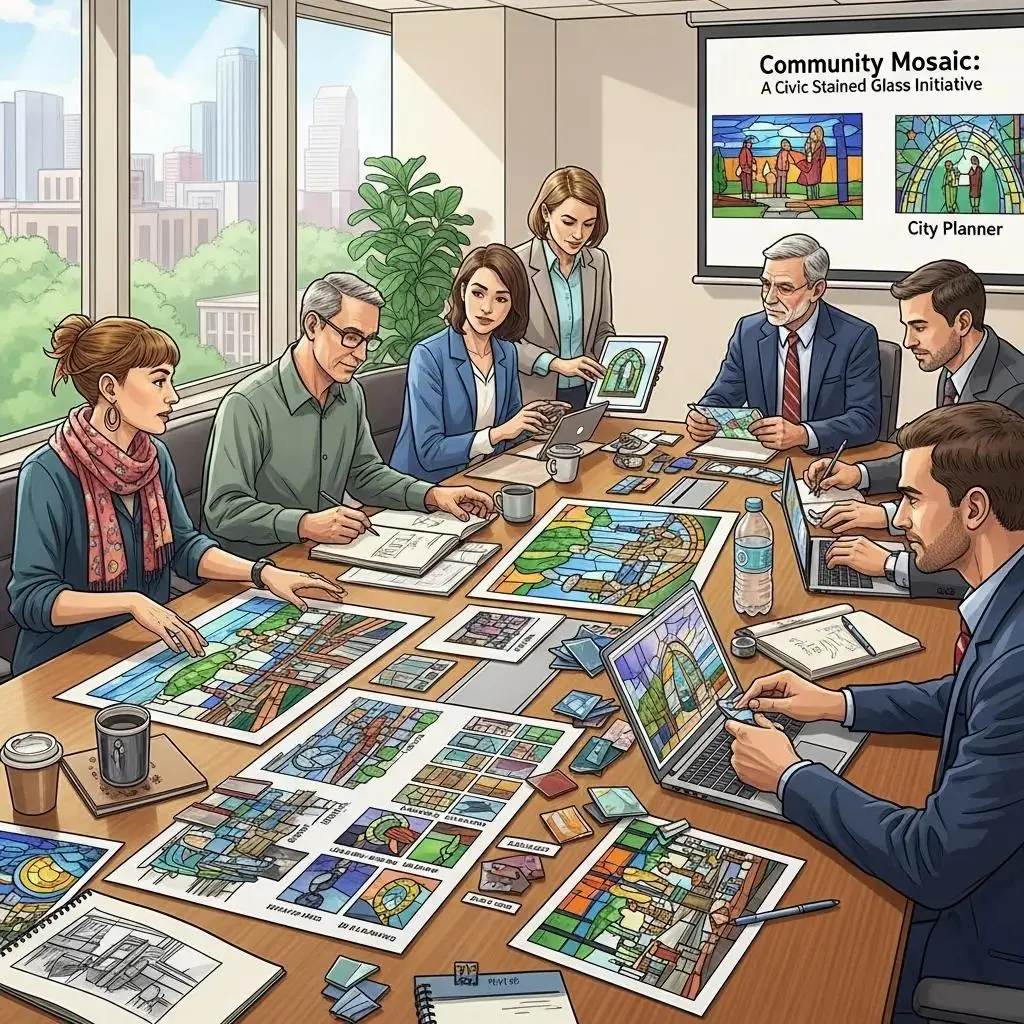
Collaboration between artists and municipal governments is vital for the success of civic stained glass commissions. Artists bring their creative vision and expertise, while municipal governments provide logistical support and funding. Successful partnerships often involve regular communication and feedback, ensuring that the artwork resonates with the community and meets regulatory standards. Challenges may arise, such as differing artistic visions or budget constraints, but effective collaboration can lead to innovative solutions and impactful artworks.
What Materials and Techniques Are Used in Large Scale Civic Stained Glass Installations?
Civic stained glass installations utilize a variety of materials and techniques, blending traditional craftsmanship with modern innovations. Understanding these materials is essential for appreciating the artistry and durability of the final product.
Traditional and Innovative Stained Glass Techniques in Public Art
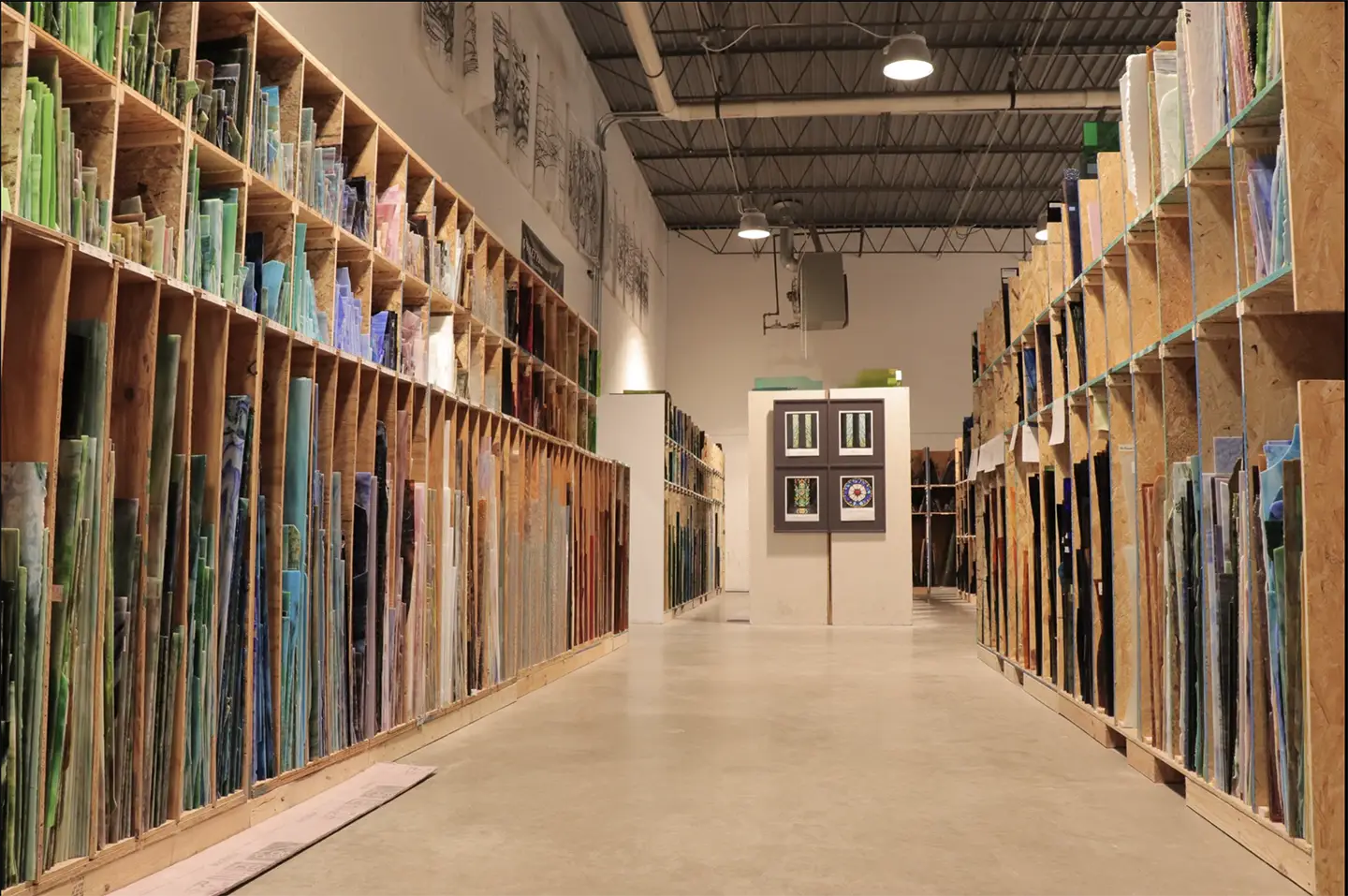
Traditional stained glass techniques involve the use of glass panels, lead came, and solder to create intricate designs. Artists often employ innovative methods, such as digital printing and glass fusion, to expand their creative possibilities. These techniques allow for greater flexibility in design and can enhance the visual impact of the artwork. The choice of technique often depends on the project’s specific requirements and the artist’s vision.
Sustainable Materials and Their Growing Importance in Civic Art
Sustainability is becoming increasingly important in the creation of civic art. Artists are now exploring eco-friendly materials, such as recycled glass and low-impact adhesives, to minimize their environmental footprint. The use of sustainable materials not only benefits the environment but also resonates with communities that prioritize ecological responsibility. Case studies of successful sustainable projects demonstrate the potential for civic art to contribute positively to both the environment and community identity.
Which Case Studies Exemplify Excellence in Public Art and Civic Stained Glass?
Examining notable case studies provides valuable insights into the successful implementation of public art and civic stained glass commissions. These examples highlight the diverse approaches artists take to engage communities and enhance public spaces.
Notable Large Scale Installations from 2020 to 2023
Recent large-scale installations have showcased the potential of civic stained glass to transform public spaces. Projects completed between 2020 and 2023 include installations that reflect local history, culture, and community values. These artworks not only beautify their surroundings but also serve as focal points for community gatherings and events, fostering a sense of pride and ownership among residents.
Artist Profiles and Their Contributions to Civic Stained Glass
Key artists in the field of civic stained glass have made significant contributions to public art through their innovative designs and community engagement efforts. Profiles of these artists reveal their unique backgrounds, artistic philosophies, and notable works. By understanding their contributions, we can appreciate the diverse perspectives that shape civic stained glass and its impact on communities.
How Do Community Engagement Strategies Enhance Public Art Commissions?

Community engagement is a critical component of successful public art commissions. Involving residents in the artistic process fosters a sense of ownership and connection to the artwork, ultimately enhancing its impact.
Methods for Involving Communities in Civic Art Projects
Various methods can be employed to involve communities in civic art projects, including workshops, public forums, and collaborative design sessions. These approaches encourage residents to share their ideas and perspectives, ensuring that the final artwork reflects the community’s identity. Successful projects often incorporate feedback from community members, leading to a more meaningful and relevant artistic expression.
Measuring the Social and Cultural Impact of Public Art
Assessing the social and cultural impact of public art is essential for understanding its value to communities. Metrics for evaluation may include community feedback, participation rates, and changes in public perception. Case studies of impactful public art projects demonstrate how these artworks can foster social cohesion, enhance community pride, and contribute to local cultural narratives.
What Are Best Practices for Maintenance and Conservation of Civic Stained Glass Artworks?
Maintaining and conserving civic stained glass artworks is crucial for preserving their beauty and integrity over time. Implementing best practices ensures that these artworks continue to enrich public spaces for future generations.
Scheduled Maintenance and Conservation Techniques for Public Art
Regular maintenance is essential for the longevity of civic stained glass installations. Scheduled inspections and cleaning can prevent deterioration and damage caused by environmental factors. Conservation techniques, such as repairing lead came and replacing damaged glass panels, are vital for preserving the artwork’s original design and functionality. Engaging professional conservators can ensure that maintenance practices adhere to industry standards.
Funding and Organizational Support for Long-Term Artwork Care
Securing funding and organizational support for the long-term care of civic stained glass artworks is essential. Various funding sources, including grants and community fundraising efforts, can help sustain maintenance initiatives. Additionally, establishing partnerships with local organizations can provide ongoing support and resources for the care of public art, ensuring its preservation and continued relevance in the community.
This table outlines essential maintenance techniques for civic stained glass artworks, emphasizing the importance of regular care to ensure their longevity and aesthetic appeal.